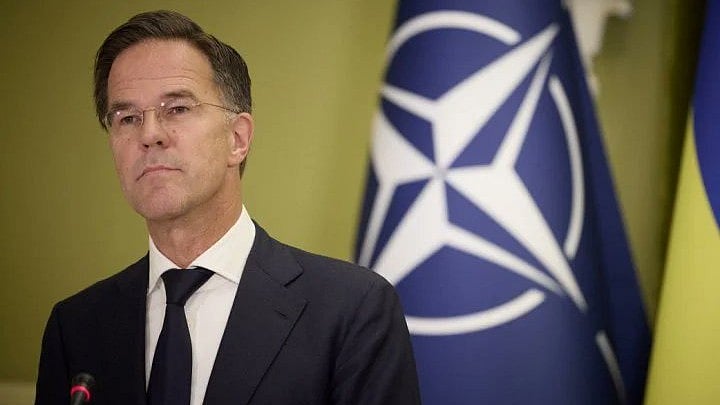
NATO Secretary-General Mark Rutte on Wednesday welcomed the emerging US-Iran agreement aimed at ending hostilities, describing the planned reopening of the Strait of Hormuz as a "massive step forward" for international stability and global trade.
Speaking at a press conference in Brussels, Rutte said the restoration of free navigation through one of the world's most strategically important waterways would be a significant development for the international community.
'Massive Step Forward' For Global Shipping
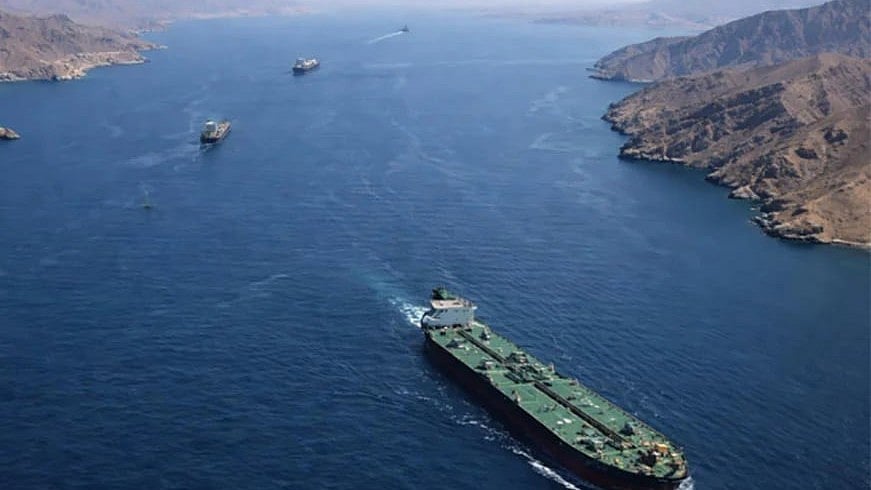
"The restoration of free passage through the Strait of Hormuz will be a massive step forward," Rutte said, highlighting the importance of the route for global energy supplies and commercial shipping.
The Strait of Hormuz, through which a substantial portion of the world's oil and gas exports pass, has been at the centre of international concern amid tensions in the Gulf region.
NATO Allies Ready To Support Efforts
Rutte also noted that several NATO allies were prepared to support efforts aimed at ensuring stability in the region.
According to the NATO chief, countries participating in an initiative led by France and the United Kingdom have expressed readiness to assist in maintaining secure maritime passage through the vital waterway once the agreement takes effect.
Focus On Preventing Nuclear Weapons
Beyond maritime security, Rutte said the agreement creates an opportunity to address concerns surrounding Iran's nuclear ambitions.
He stressed that the diplomatic process should help ensure that Tehran never acquires a nuclear weapon, a long-standing objective shared by several Western nations.
Nuclear Talks Still To Continue
Despite the positive remarks, officials have clarified that no formal agreement on Iran's nuclear programme has yet been announced.
Negotiations on the issue are expected to be a key component of discussions between US and Iranian representatives following the signing of the broader agreement in Switzerland on Friday.
The comments come as diplomatic efforts intensify to reduce tensions in the Middle East, secure global energy routes and revive dialogue on Iran's nuclear activities.

