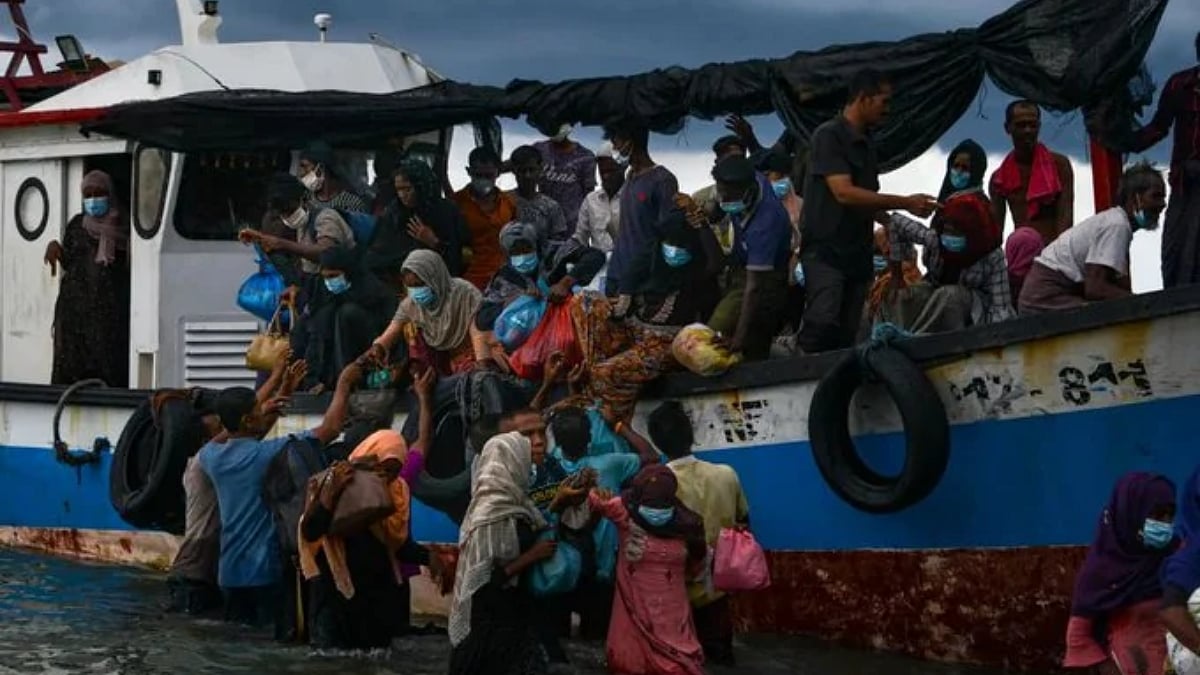
In a landmark judgment, the International Court of Justice (ICJ), the United Nations’ top court, ruled on Thursday that Myanmar committed genocide against the Rohingya minority during a brutal military operation in 2017. The court also ordered Myanmar to allow Rohingya refugees who fled the violence to return home safely.
The 15-judge panel delivered the ruling in a 9-6 decision, rejecting Myanmar’s argument that its military campaign was a legitimate operation against insurgents. The judgment marks the first time the ICJ has ruled that a state committed genocide, making it a significant moment in the international fight for justice.
Court Finds Myanmar Responsible For Mass Killings
ICJ President Yuji Iwasawa said Myanmar “has committed genocide against the Rohingya group in northern Rakhine state, in violation of its obligations under the Genocide Convention.”
The court found that Myanmar’s security forces killed thousands of Rohingya civilians, committed widespread sexual violence, carried out extreme acts of violence against children and attacked people attempting to escape. According to the evidence examined by the judges, Myanmar forces killed about 10,000 Rohingya.
The panel included Navi Pillay, an international jurist who won the Nobel Peace Prize last month.
Myanmar Ordered To Allow Refugees To Return
The court ordered Myanmar to ensure the “safe, voluntary and dignified return” of Rohingya refugees to their places of residence. It also directed the country to investigate, prosecute and punish those responsible for genocidal acts.
Myanmar must also pay compensation to Rohingya victims, although the amount will be decided during later court proceedings.
The ruling is a major step towards accountability for the Rohingya community, which has spent years seeking justice for the violence and displacement it suffered. However, the challenge now lies in ensuring that the court’s orders are implemented.
Rohingya Welcome Verdict With Emotion
Emotional scenes unfolded after the hearing as lawyers and members of the Rohingya community hugged and cried. Some had travelled thousands of miles to attend the reading of the judgment, which lasted nearly three hours.
Yasmin Ullah, a Rohingya rights activist who attended the proceedings in the court’s Great Hall of Justice, welcomed the decision.
“This is a great day for the Rohingya, and it is a great day for all oppressed people, everywhere, who have been told that their suffering does not count and that no one is listening,” Ullah said.
How The 2017 Military Campaign Unfolded
In August 2017, Myanmar’s military launched what it described as a clearance operation in Rakhine state following an attack by a Rohingya insurgent group.
The operation triggered allegations of mass killings, rape and the burning of thousands of homes. Large numbers of Rohingya fled the violence and crossed into neighbouring Bangladesh, AP reports.
Under the 1948 Genocide Convention, the court had to establish whether there was an intention to destroy the Rohingya community “in whole or in part.”
1.2 Million Rohingya Refugees In Bangladesh
Around 1.2 million Rohingya refugees currently live in Bangladesh, mainly in overcrowded camps in Cox’s Bazar district.
Their living conditions remain difficult, with refugees facing fire hazards, infectious diseases, monsoon landslides, poor sanitation and strict restrictions on employment.
The judgment offers hope to those who have spent years away from their homes, but their safe return remains a major concern.
Gambia’s Legal Battle Against Myanmar
The Gambia, a Muslim-majority African country, brought the case before the ICJ in 2019, accusing Myanmar of violating the 1948 Genocide Convention.
It asked the court to rule that Myanmar had breached its obligations, order an end to illegal actions targeting the Rohingya and ensure that those responsible for genocide were punished.
Although ICJ rulings are final and legally binding, the court has no direct mechanism to enforce them. It can report non-compliance to the UN Security Council.
Why The Verdict Matters Beyond Myanmar
The judgment could have wider implications for other genocide cases currently before the ICJ, including those linked to the conflicts in Gaza and Ukraine.
In 2007, the court ruled that Serbia had violated its obligation to prevent genocide during the 1995 Srebrenica massacre, in which Bosnian Serb forces killed around 8,000 mostly Muslim men and boys.
The ICJ is also examining South Africa’s allegation that Israel violated the Genocide Convention during its military offensive in Gaza. Israel strongly denies the allegation, and the case is expected to take years to conclude.
Ukraine has also brought a case against Russia. Following Russia’s full-scale invasion in February 2022, Ukraine accused Moscow of using fabricated genocide allegations against Kyiv to justify its military action.
The Myanmar judgment could serve as an important reference point in these legal battles, particularly in determining state responsibility for genocide.
Human Rights Watch Calls Ruling Landmark Moment
Human Rights Watch welcomed the judgment, describing it as long-awaited recognition of the suffering endured by the Rohingya community.
“The International Court of Justice’s landmark ruling is long-awaited recognition of the suffering the Rohingya have endured from Myanmar’s military. The ruling also provides a significant precedent for victims of genocide, and other grave crimes, across the world in their own quest for justice,” said Maria Elena Vignoli, senior international justice counsel at Human Rights Watch.
Also Watch:
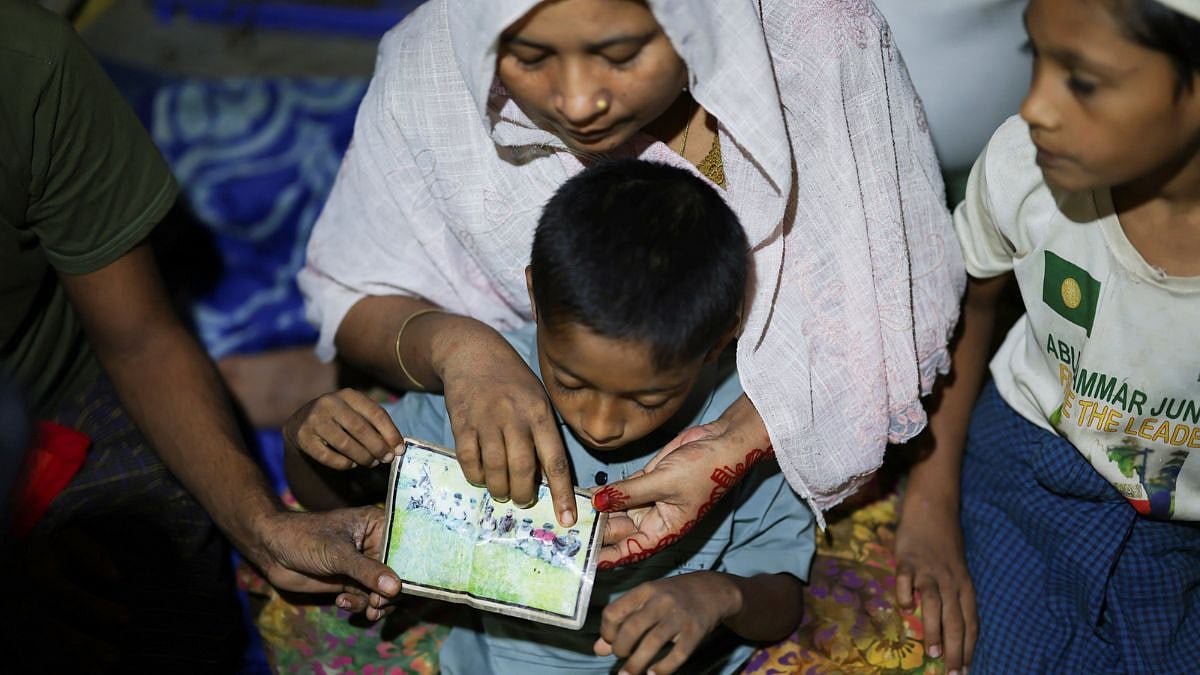
The verdict represents an important victory for the Rohingya after years of displacement and suffering. However, its lasting impact will depend on whether Myanmar follows the court’s directions, holds those responsible accountable and creates conditions for refugees to return home safely.
Level up your brain the fun way. Play daily games and quizzes on FPJ Smart!

