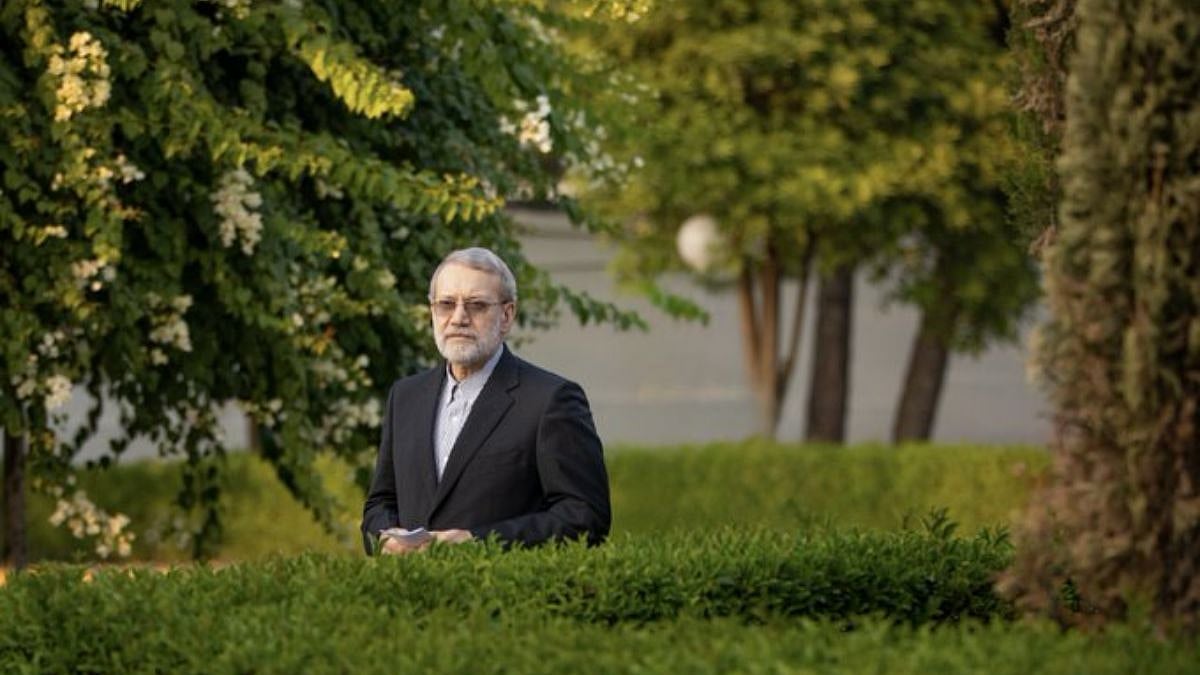
Tehran: Iran confirmed the death of its top security official Ali Larijani, who was killed in Israeli airstrikes in the early hours of Tuesday, marking a major escalation in the ongoing regional conflict. Israel’s Defence Minister, Israel Katz, had earlier claimed that Larijani was among those targeted and killed in the strike.
The confirmation came from Iran’s Supreme National Security Council (SNSC), which stated that Larijani died alongside his son, Morteza and several bodyguards. The council described him as a 'martyr' who dedicated his life to the advancement of Iran and the Islamic Revolution.
A day after his death, a detailed Persian-language obituary was posted on Larijani’s official X account. The statement, accompanied by his photograph, praised his lifelong service, commitment to national development, and efforts to maintain unity against adversaries. It described his death as achieving the 'grace of martyrdom' and framed it within a broader narrative of resistance.
The obituary invoked religious imagery and paid tribute to Larijani’s role in strengthening Iran’s ideological and political foundations. It also referenced prominent figures such as Ali Khamenei, as well as slain leaders like Qasem Soleimani and Hassan Nasrallah, placing Larijani among key figures associated with Iran’s regional strategy.
According to the statement, Larijani remained committed to Iran’s progress and unity until his final moments, consistently urging both citizens and officials to stand firm against external threats. His death, the council said, would further strengthen resolve within the country.
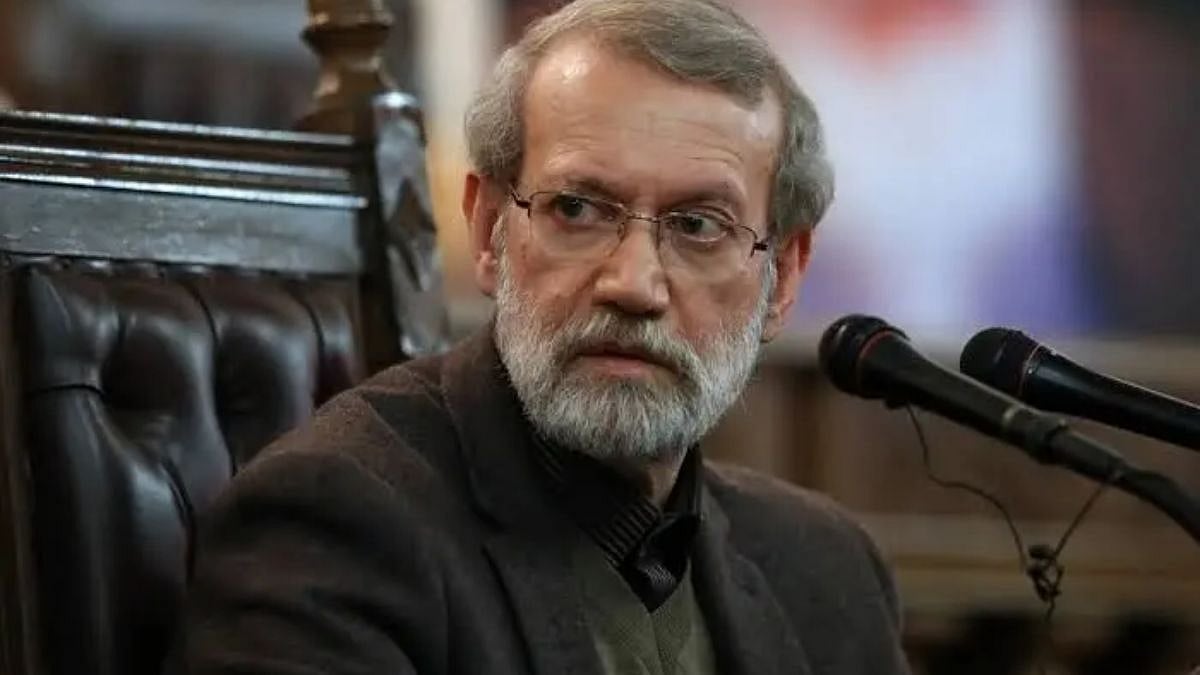
Who Was Ali Larijani?
Larijani was a veteran politician and one of the most influential figures in Iran’s political and security establishment. A close confidant of Khamenei, he previously served as Speaker of Iran’s Parliament and as Secretary of the SNSC, a powerful body responsible for shaping defence and nuclear policy.
Coming from a prominent clerical family, Larijani played a key role in Iran’s strategic affairs, including nuclear negotiations with the United States and managing ties with major global powers such as Russia and China. His killing is likely to have major implications for Iran’s leadership structure and could further intensify tensions in the already volatile Middle East region.

