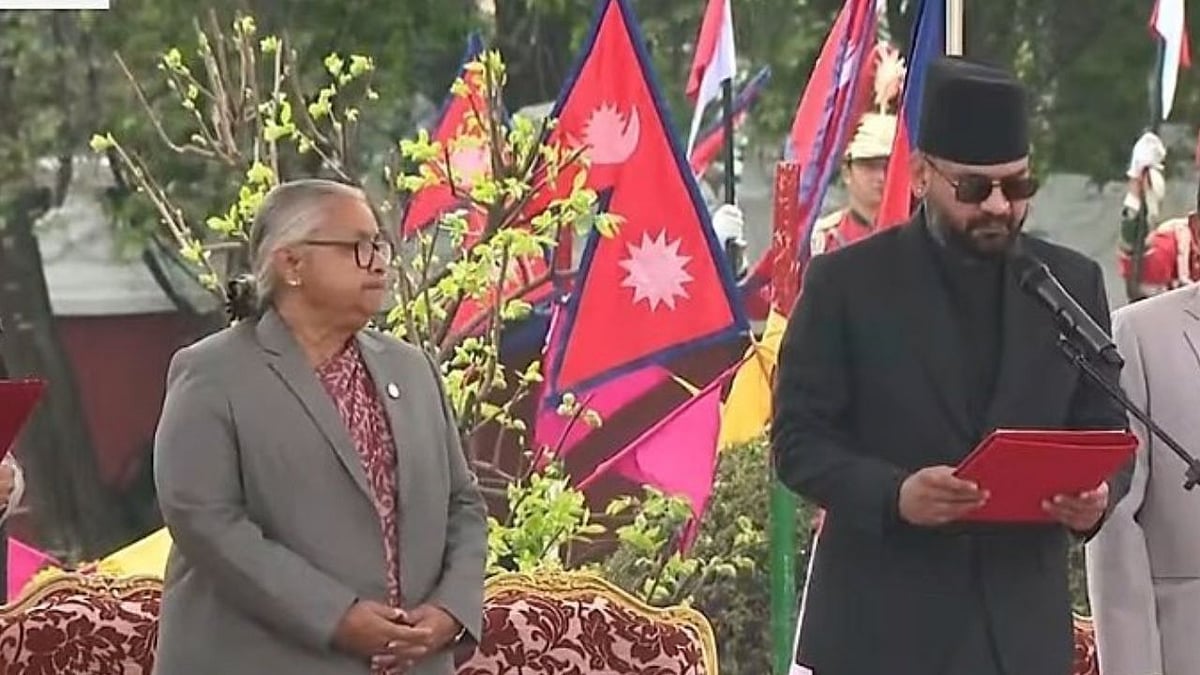
Kathmandu: Balendra Shah, popularly known as ‘Balen’, was sworn in as Nepal’s 47th Prime Minister on Friday in a formal ceremony at the Office of the President, marking a remarkable rise from an independent mayor to the country’s top political office.
Oath Ceremony at President’s Office
Nepal President Ramchandra Paudel administered the oath of office and secrecy to Shah after appointing him under Article 76(1) of the Constitution.
The ceremony was attended by Vice President Ram Sahaya Prasad Yadav, Chief Justice Prakash Man Singh Raut, National Assembly Chair Narayan Prasad Dahal, former prime ministers, senior officials, security chiefs, and members of the diplomatic community.
From Outsider to Prime Minister
At 35, Shah becomes one of the youngest Prime Ministers in Nepal’s history. His rise has been anything but conventional.
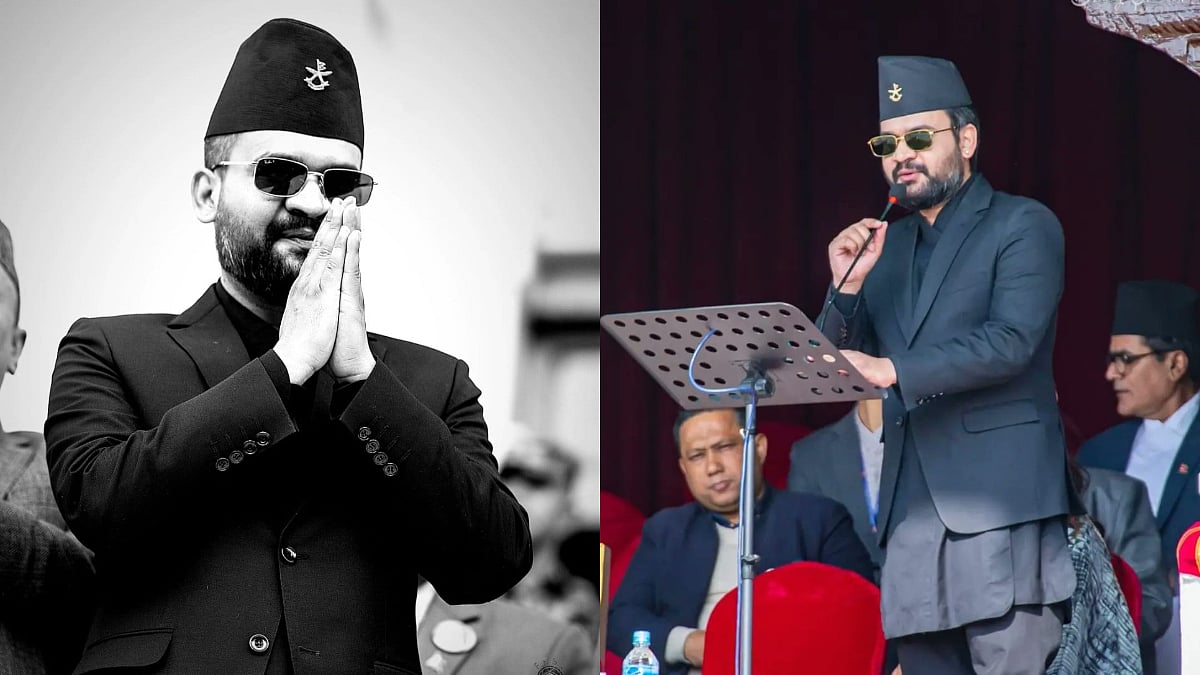
A structural engineer by profession and once associated with Nepal’s underground rap scene, Shah first gained national prominence in 2022 when he stunned established parties to become Kathmandu’s mayor.
Kathmandu Victory That Changed His Trajectory
Running as an independent candidate under the symbol of a walking stick, Shah secured 61,767 votes, defeating candidates from major parties. Sirjana Singh polled 38,341 votes, while Keshav Sthapit received 38,117 votes.
His victory was widely seen as a rejection of traditional political structures and a shift towards alternative leadership.
Takes Oath as MP Ahead of PM Role
A day before being sworn in as Prime Minister, Shah took oath as a member of the House of Representatives, formally entering federal politics.
New Parliament Convenes After Elections
The first session of Nepal’s new Parliament convened on Thursday following elections held earlier this month. Newly elected members took oath at a ceremony held at the under-construction Federal Parliament building at Singha Durbar.
Senior-most lawmaker Arjun Narsingh KC administered the oath to Members of Parliament.
The previous Parliament had been dissolved in September 2025 amid widespread Gen-Z-led protests.
Rastriya Swatantra Party Emerges Dominant
In the March 5 elections, the Rastriya Swatantra Party (RSP) emerged as the largest party with 182 seats, followed by the Nepali Congress with 38 seats and Communist Party of Nepal (Unified Marxist–Leninist) with 25 seats.
Other parties, including the Nepali Communist Party, Shram Sanskriti Party, and Rastriya Prajatantra Party, secured smaller numbers.
A New Political Era for Nepal
Shah’s elevation signals a generational and political shift in Nepal, reflecting the growing influence of non-traditional leaders and public demand for change. His journey from a political outsider to Prime Minister in just four years marks a defining moment in the country’s evolving democratic landscape.

