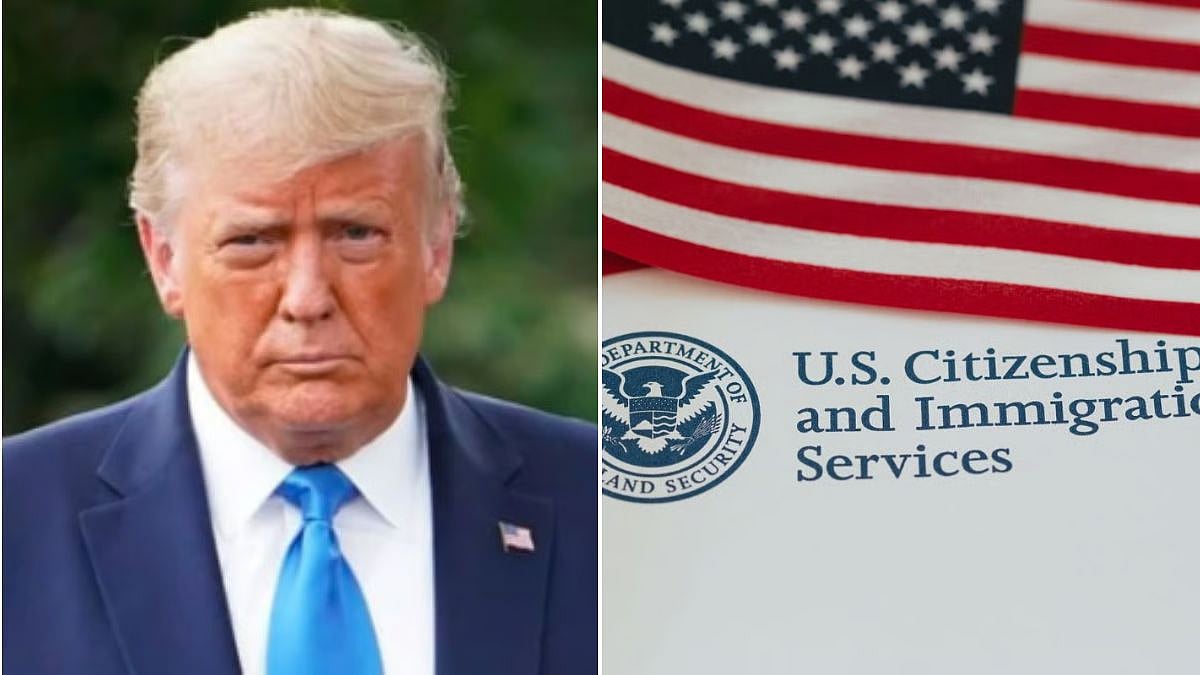
Washington: A major immigration policy announcement by the Donald Trump administration has once again pushed America’s green card system into the spotlight, leaving many immigrants anxious about their future in the United States.
The administration announced on Friday that individuals applying for a US green card, officially known as permanent residency, will now generally be required to complete the process from their home countries 'except in extraordinary circumstances.'
The move has drawn sharp criticism from immigration experts, lawyers and technology industry leaders, who warn it could separate families and create uncertainty for thousands of legal immigrants already living and working in the US.
Amid the debate, confusion has resurfaced around two key immigration terms often used interchangeably, green card and US citizenship. While both allow immigrants to legally stay in America, they offer very different rights, protections and long-term security.
What Is A Green Card?
A green card gives a person lawful permanent resident status in the United States. It allows immigrants to legally live and work in the country on a long-term basis. Green card holders can:
- Work for most employers in the US
- Live in any American state
- Study in schools and universities
- Open bank accounts and obtain driving licences
- Travel internationally, though with restrictions on long absences
- Eventually apply for US citizenship if eligible
For many immigrants, obtaining a green card is considered the first major step towards building a stable life in America.
However, green card holders still face important limitations. They cannot vote in US elections and must continue maintaining their immigration status. In certain cases involving criminal offences or immigration violations, permanent residency can also be revoked, potentially leading to deportation.

What Is US Citizenship?
US citizenship provides the highest level of legal protection and rights under American law. Citizens enjoy all the rights of green card holders along with several additional benefits:
- Voting rights in federal, state and local elections
- A US passport with unrestricted re-entry into the country
- Eligibility for certain government jobs and federal benefits
- The ability to sponsor more family members for immigration
- Protection from deportation under normal circumstances
- Freedom to live abroad without losing citizenship
Unlike green card holders, US citizens do not need to renew their immigration status. Most immigrants become citizens through the naturalisation process after holding a green card for several years and meeting requirements related to residency, language proficiency and civic knowledge.
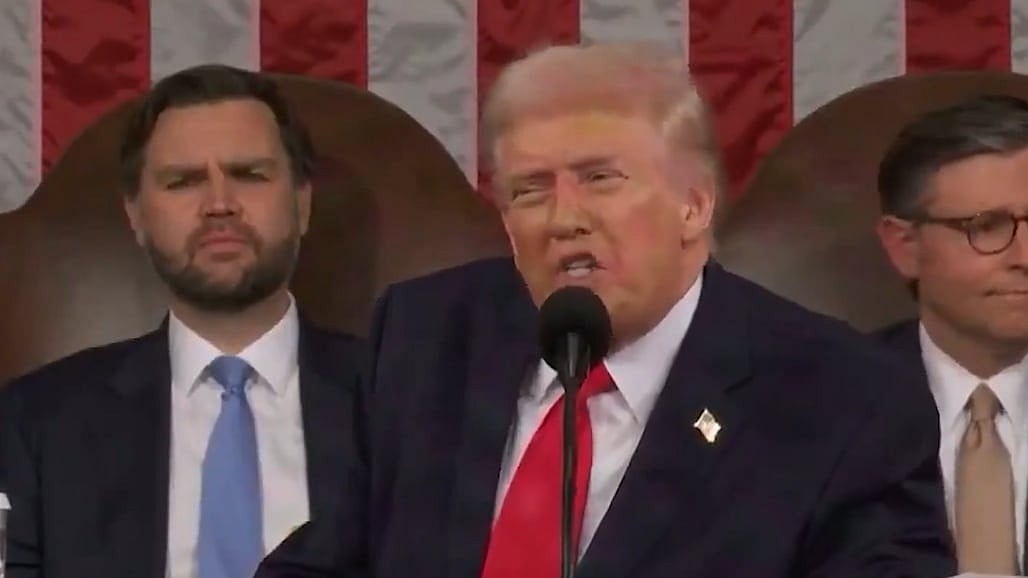
Why Trump’s New Rule Matters
The administration’s latest decision could majorly impact people currently living in the US on temporary work visas who hope to transition into permanent residency. Earlier, many applicants could adjust their status while remaining inside the United States. Under the new approach, many may now be forced to leave the country and complete lengthy processing procedures abroad.
This could expose immigrants to long backlogs at US embassies and consulates, delay family reunification and disrupt industries heavily dependent on skilled foreign workers, including technology, healthcare and scientific research.
The policy has also raised concerns among Indian immigrants, who form one of the largest groups waiting for employment-based green cards in the United States due to decades-long visa backlogs.
The Trump administration has defended the move as part of a broader effort to tighten immigration controls and increase scrutiny of residency applications. However, immigration advocates argue the policy could make the path from temporary residency to permanent settlement in America far more uncertain for legal immigrants.

