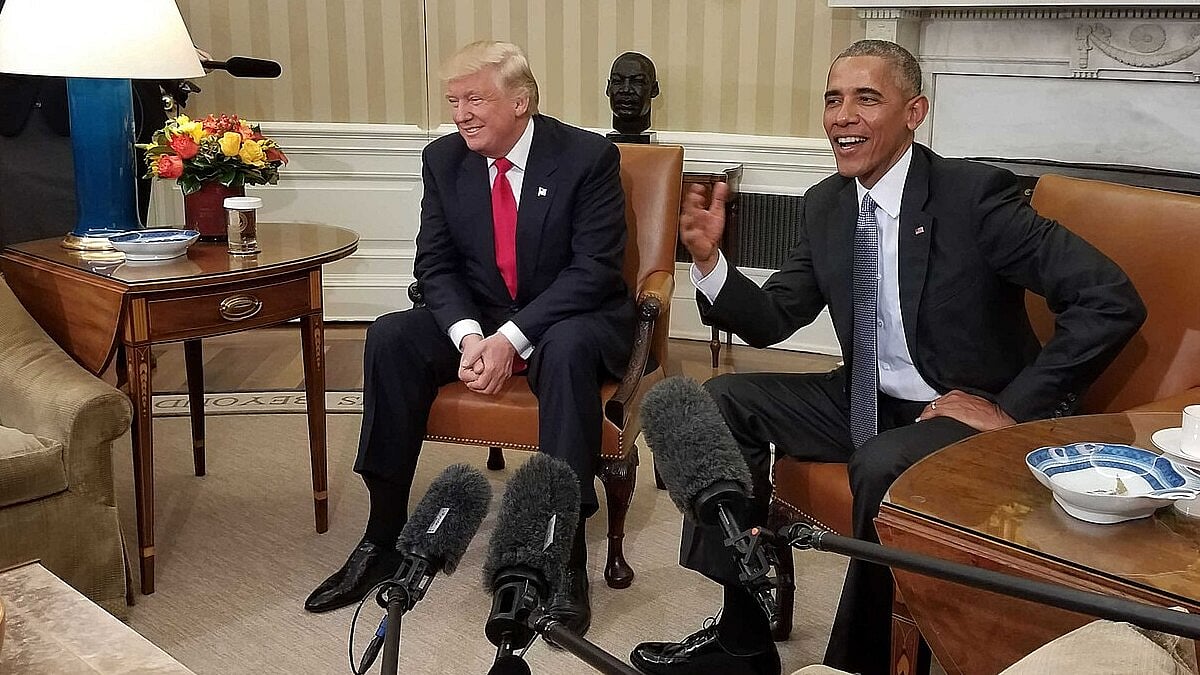
Two US presidents—one in 2015 and the other in 2026—have done deals with Iran. During the presidency of Barack Obama, the 2015 Joint Comprehensive Plan of Action (JCPOA), which was a multilateral nuclear accord took shape, while during the second Trump presidency in 2026, the 14-point Memorandum of Understanding (MoU), which outlines a bilateral framework between Washington and Tehran, was elctronically inked.
The contexts surrounding these two agreements could not be more different.
The 2015 JCPOA was born out of years of intense multilateral diplomacy designed to prevent a war by preemptively containing Iran's nuclear capabilities through localised technical caps and phased sanctions relief.
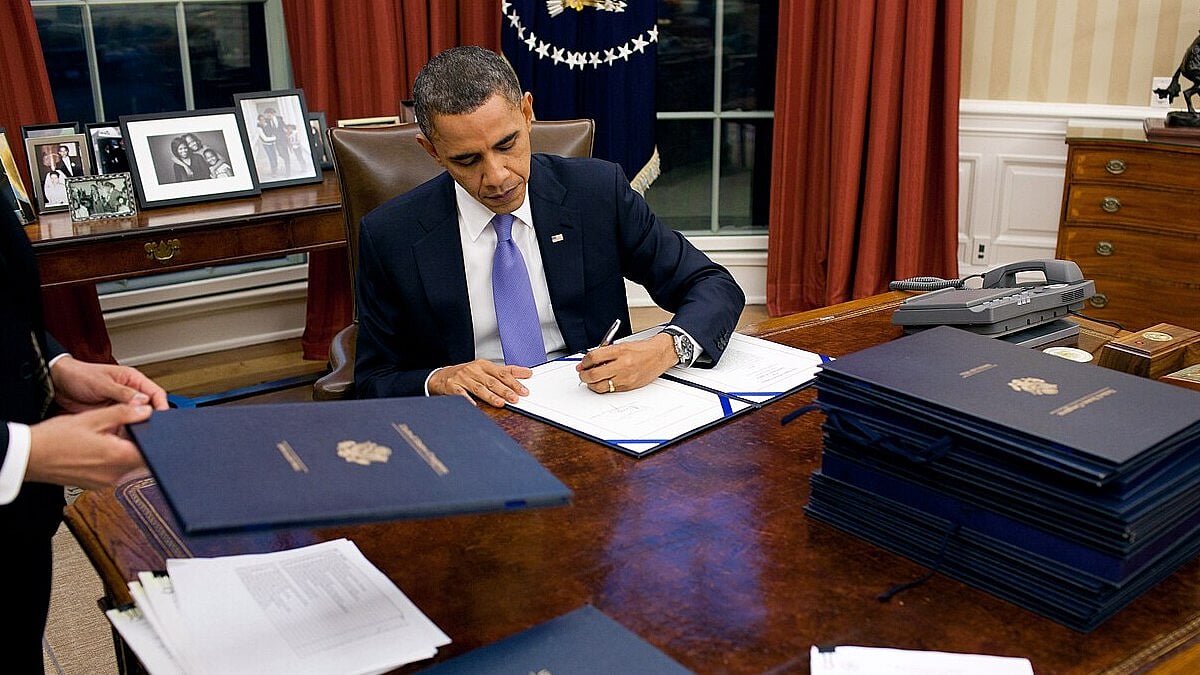
Former US president Barack Obama | Pete Souza
In stark contrast, the latest MoU is an emergency framework intended to end an active, devastating regional conflict. This agreement follows a multi-month US-Israeli military campaign against Iran that began on February 28, during which Iran retaliated with massive missile and drone strikes across the region and effectively closed the critical Strait of Hormuz.
Signed amid fierce domestic debate over a proposed $300 billion reconstruction fund, this modern MoU functions as a high-stakes bilateral armistice to freeze hostilities and establish a 60-day window for comprehensive nuclear and security negotiations.
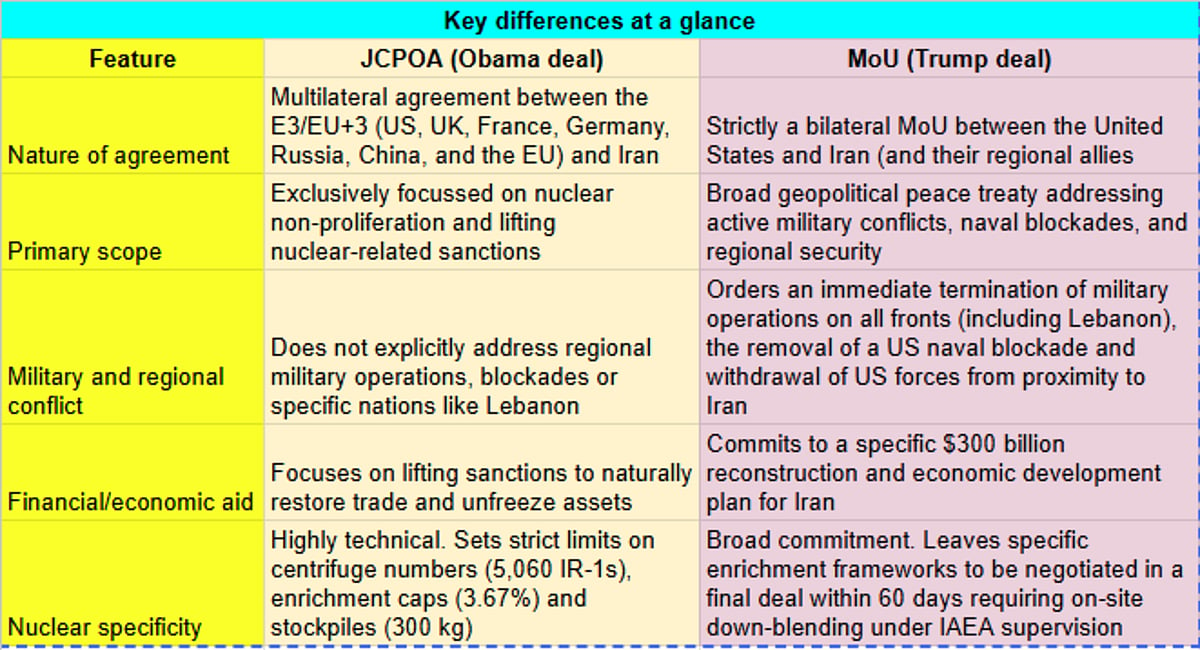
Following is a detailed comparative breakdown of the two pacts with Iran by two different presidencies.
Scope of peace versus nuclear focus
The 2015 JCPOA agreement was fundamentally designed to ensure that Iran’s nuclear programme remains exclusively peaceful. It deliberately avoided mixing broader regional conflicts or conventional military dynamics into the text. Conversely, the latest MoU text acts as a comprehensive armistice and security pact. It establishes a mutual commitment to respect sovereignty, refrain from interfering in internal affairs and legally bans the threat or use of force against one another.
Maritime and military operations
The JCPOA contains no provisions regarding naval operations or shipping routes outside of standard commercial trade sanction rollbacks. In stark contrast, the MoU explicitly tackles maritime friction by requiring the US to end its naval blockade within 30 days.
In return, Iran commits to facilitating safe passage for commercial vessels from the Persian Gulf to the Sea of Oman and outlines a plan to discuss the future administration of the Strait of Hormuz with littoral states.
Following is a detailed comparative breakdown of the two deals:
Scope of peace versus nuclear focus
The 2015 JCPOA agreement was fundamentally designed to ensure that Iran’s nuclear programme remains exclusively peaceful. It deliberately avoided mixing broader regional conflicts or conventional military dynamics into the text.
Conversely, the MoU acts as a comprehensive armistice and security pact. It establishes a mutual commitment to respect sovereignty, refrain from interfering in internal affairs and legally bans the threat or use of force against one another.
Maritime and military operations
The JCPOA contains no provisions regarding naval operations or shipping routes outside of standard commercial trade sanction rollbacks. In stark contrast, the MoU explicitly tackles maritime friction by requiring the US to end its naval blockade within 30 days.
In return, Iran commits to facilitating safe passage for commercial vessels from the Persian Gulf to the Sea of Oman and outlines a plan to discuss the future administration of the Strait of Hormuz with littoral states.
Nuclear constraints and verification
The JCPOA contains heavily detailed, multi-year verification roadmaps. It outlines exactly how facilities like Natanz and Fordow must operate, specifies centrifuge research and development limitations—such as phasing out IR-1 centrifuges—and details strict IAEA daily access privileges.
The MoU takes a much higher-level approach. While it states that Iran shall not procure or develop nuclear weapons, the precise rules regarding enrichment limits and nuclear needs are postponed to "final deal" negotiations, maintaining a strict temporary status quo while negotiations occur.
Sanctions relief and financial assets
The JCPOA ties sanctions relief directly to IAEA-verified compliance with nuclear milestones. Once verified, it removes primary and secondary US sanctions, UN Security Council resolutions and EU regulations across the energy, banking and shipping sectors.
The MoU demands immediate financial relief upon signing. Under this framework, the US Treasury must instantly issue waivers for Iranian crude oil exports and associated banking/insurance services. Furthermore, it mandates that all frozen or restricted Iranian funds must be made fully available to beneficiaries designated by the Central Bank of Iran right away, rather than waiting for long-term technical verification.

