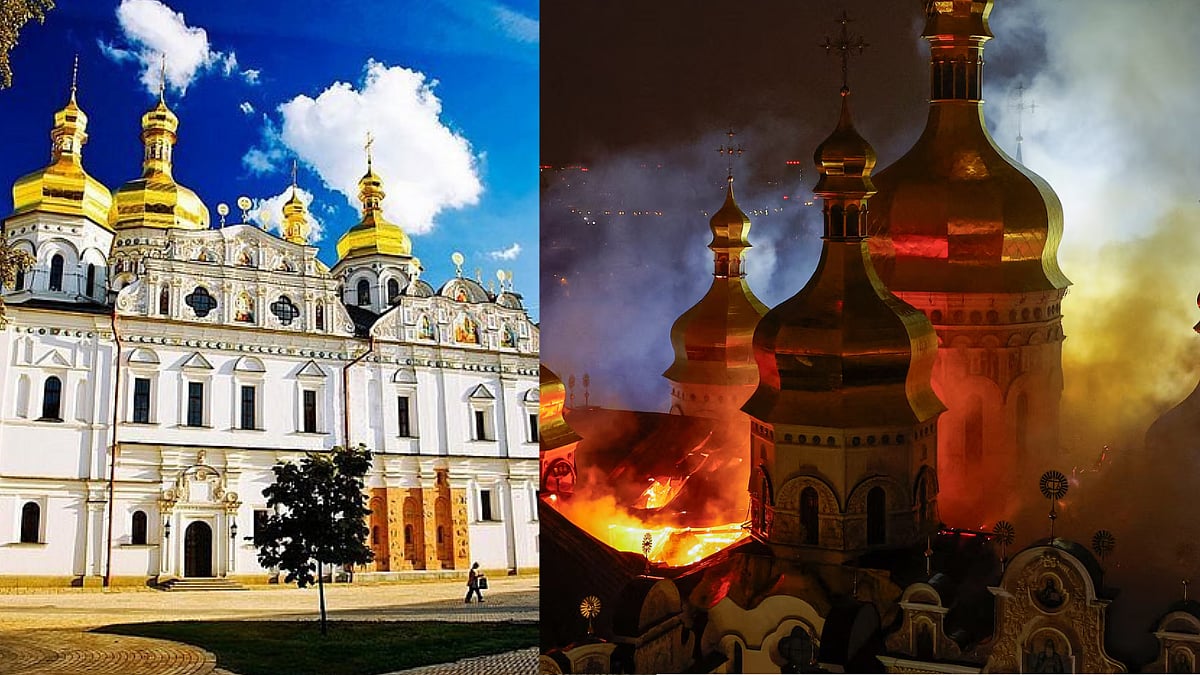
Kyiv: The Dormition Cathedral of the Kyiv Pechersk Lavra, one of Ukraine's most important religious and cultural landmarks, has come under international attention after suffering damage during a large-scale overnight attack on Kyiv on June 14, 2026. While Ukraine has accused Russia of striking the site, Moscow has denied responsibility and claimed the damage was hit by a missile from an American Patriot anti-aircraft missile system as per the Times Of India Report.
What Is Kyiv Pechersk Lavra?
Kyiv Pechersk Lavra, also known as the Kyiv Monastery of the Caves or the Kyivan Caves Monastery, is a historic Eastern Orthodox monastic complex located in Kyiv, Ukraine. The monastery takes its name from the Ukrainian word "pechera," meaning cave, while "lavra" refers to a major Orthodox monastery.
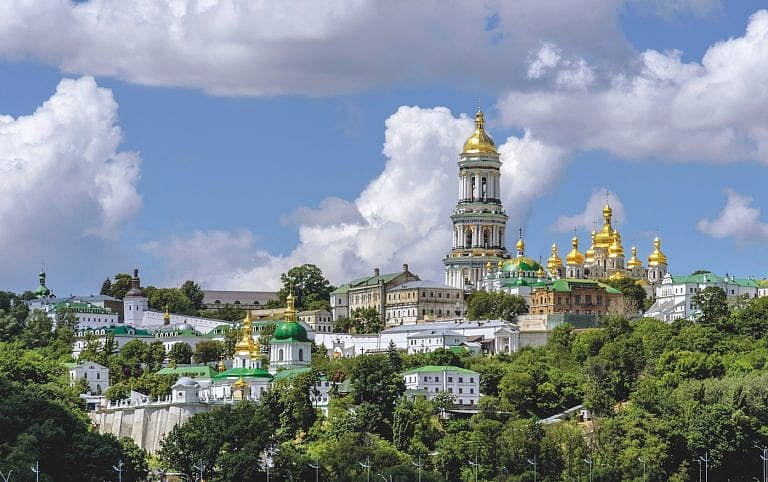
According to sites.tufts.edu, Connected Histories and Vibrant Cultures exhibition, the monastery was founded around 1050 by Saint Anthony, a monk who sought a life of prayer and solitude. Over time, the religious community expanded under the leadership of Saint Theodosius and became one of the most influential centres of Eastern Christianity in Eastern Europe. This heritage has also been listed as a UNESCO World Heritage Site since 1990.
A Major Centre Of Learning And Printing
According to sites.tufts.edu, Kyiv Pechersk Lavra became a leading cultural and educational centre during the 17th century. It operated one of the most active printing presses in Eastern Europe, producing religious books, calendars, paper icons, and printed textiles.
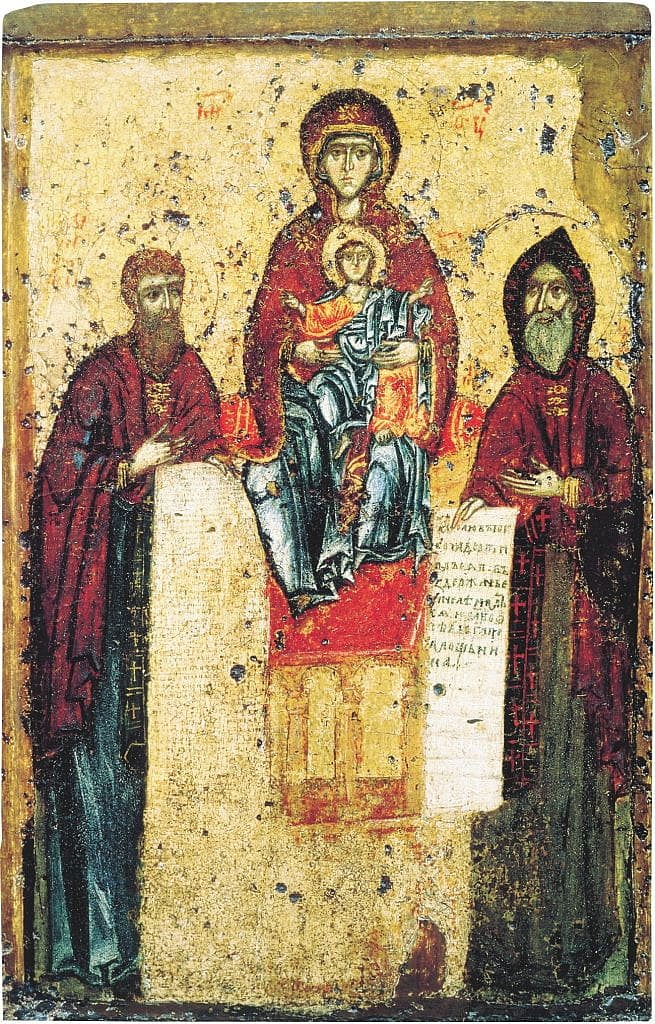
The monastery's printing house played a significant role in spreading Orthodox Christian teachings and promoting literacy and cultural development across the region.
UNESCO World Heritage Status
The Kyiv Pechersk Lavra is renowned for its vast underground network of caves, which originally served as places of prayer and retreat for monks. According to the Tufts University website, these caves later became burial sites for saints, monks and other important religious figures, including Saint Anthony, the monastery's founder.
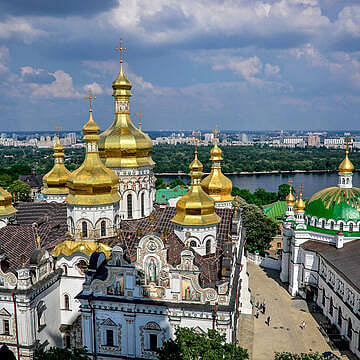
The monastery is also home to centuries-old collections of icons, relics, manuscripts, books, textiles, and religious artworks that showcase the region's rich Christian heritage.
According to the UNESCO website, the spiritual and intellectual influence of the Kyiv Pechersk Lavra played a key role in spreading Orthodox thought and the Orthodox faith across the Russian world between the 17th and 19th centuries.
Recognising its outstanding religious, historical, and architectural significance, UNESCO inscribed the Kyiv Pechersk Lavra and Saint Sophia Cathedral on its World Heritage List in 1990. Today, the monastery remains one of Ukraine's most important pilgrimage destinations and cultural landmarks.

Recent Religious And Political Disputes
According to Wikipedia, control of the Kyiv Pechersk Lavra has been a source of dispute in recent years. In 1992, the monastery came under the Ukrainian Orthodox Church (Moscow Patriarchate), while in 1990 it was designated a UNESCO World Heritage Site alongside Saint Sophia Cathedral. It was also named one of Ukraine's Seven Wonders in 2007.
Until the end of 2022, the site was jointly managed by the state-run National Kyiv-Pechersk Historic-Cultural Preserve and the Moscow-affiliated Ukrainian Orthodox Church.
Following Russia's invasion of Ukraine, concerns over the church's ties to Moscow led the Ukrainian government to terminate its lease for key buildings, including the Dormition Cathedral, in January 2023 and allow the Orthodox Church of Ukraine to hold services there.
In March 2023, Ukrainian authorities ordered the Moscow-affiliated Ukrainian Orthodox Church (UOC-MP) to vacate parts of the monastery, citing lease violations and unauthorised changes to the historic complex. The church rejected the allegations and challenged the decision.
Russia also criticised the move, with Kremlin spokesperson Dmitry Peskov claiming that Ukraine's decision not to renew the church's lease justified Russia's invasion of Ukraine. Despite the eviction order, the UOC-MP did not completely leave the Kyiv Pechersk Lavra after the March 2023 deadline, according to Wikipedia.
The dispute has since become part of the broader political and religious tensions between Ukraine and Russia.
What Damage Was Reported In June 2026?
According to The Times of India, Ukrainian officials said the June 14 attack caused significant damage to the monastery complex, including parts of its structures and roofing. Overall, at least nine people were killed.
"A Russian strike on the Kyiv-Pechersk Lavra set the Dormition Cathedral on fire – a church whose history dates back to the 11th century, on fire. And this is one of Russia's most serious crimes against Christian culture to date," Zelenskiy said on X. Ukrainian Prime Minister Yulia Svyrydenko also criticised the strike. "A brutal assault on our people and our heritage. This is the true face of Russia's Orthodox values," she said on X.
As per the Times of India report, Russia's defence ministry said the damage was caused by a malfunctioning Patriot missile supplied by Western countries to Ukraine. "According to confirmed reports, the Kyiv Pechersk Lavra complex was hit by a missile from an American Patriot anti-aircraft missile system. One of the reasons for the system's malfunction could have been that Western countries supplied the Kyiv regime with expired missiles," Russia's defence ministry said in a statement.
Why Does The Damage Matter?
The Kyiv Pechersk Lavra is widely regarded as one of the most important symbols of Ukraine's religious and cultural identity. According to sites.tufts.edu, its churches, cave networks, relics, and historical collections represent nearly 1,000 years of Eastern Christian history.
As a UNESCO-recognised heritage site, any damage to the monastery carries significance beyond Ukraine, raising concerns about the protection of cultural landmarks during armed conflicts.

