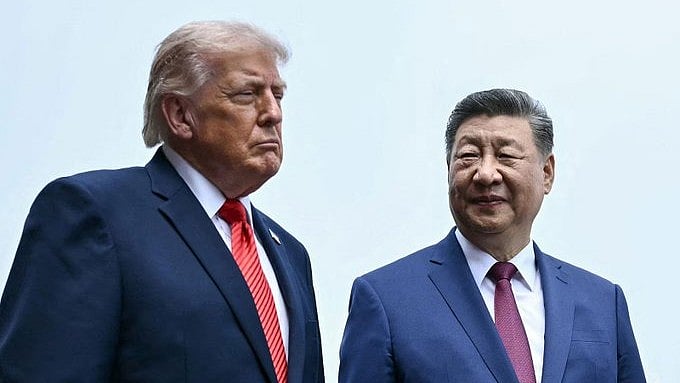
China on Tuesday vowed to safeguard its economic interests after the United States threatened sweeping secondary sanctions against countries continuing to maintain economic ties with Iran under “Operation Economic Outcast”.
At a routine press briefing, Chinese Foreign Ministry spokesperson Lin Jian said Beijing “firmly opposes illegal unilateral sanctions” and would take necessary steps to defend its rights and interests.
Lin also stressed that economic cooperation between China and Iran “should not be interfered with or disrupted”. He called on Washington and Tehran to reach a ceasefire, while arguing that sanctions would not bring an end to the conflict.
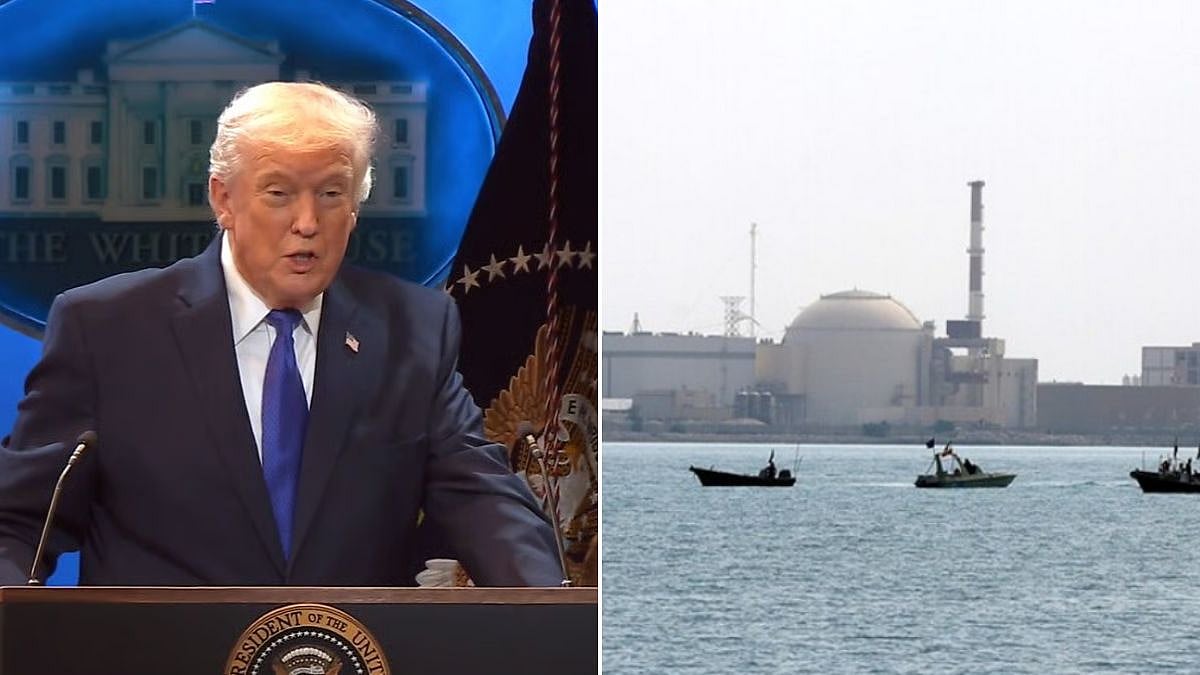
US Treasury Secretary Scott Bessent unveiled the “economic D-day” campaign, aimed at cutting Tehran off from the US dollar-based financial system and further isolating Iran economically. Although Washington has not publicly identified specific countries for potential action, China, the UAE, Turkey, Iraq, the European Union, India, Pakistan and Russia are among Iran’s key trading partners that could face pressure.
US Steps Up Pressure To Economically Isolate Iran
The Donald Trump administration has outlined a strategy of “economic asphyxiation” aimed at squeezing Iran and cutting its access to international markets. Washington has warned that businesses and other “enablers” continuing to deal with Tehran could also face penalties.
Bessent described the expanded sanctions campaign as part of Washington’s intended endgame. The measures could target Iran-linked activity involving digital assets, technology, gold, aviation and shipping.
China’s Deep Economic Ties With Iran Face US Pressure
China plays a central role in Iran’s economy, accounting for almost a third of Tehran’s non-oil foreign trade. Beijing is also the dominant buyer of Iranian crude, taking nearly 90% of the country’s oil exports, according to US government figures.

Official Chinese data put bilateral trade with Iran at $9.96 billion in 2025. However, the US-China Economic and Security Review Commission estimated that this excluded around $31.2 billion worth of Iranian crude exports to China that were not officially reported.
Kpler estimates that Chinese buyers imported an average of 1.38 million barrels of Iranian oil per day in 2025. The firm said independent Chinese refiners commonly purchase Iranian crude in large quantities, with some shipments allegedly relabelled as Malaysian or Indonesian oil and payments routed through intermediaries to avoid the dollar-based financial system.
Washington has already targeted such trade. In April, the US Treasury sanctioned a Chinese independent refinery over its purchase of billions of dollars worth of Iranian oil and warned Chinese financial institutions that facilitating Iranian oil transactions could expose them to secondary sanctions.
(With Inputs From Agencies)

