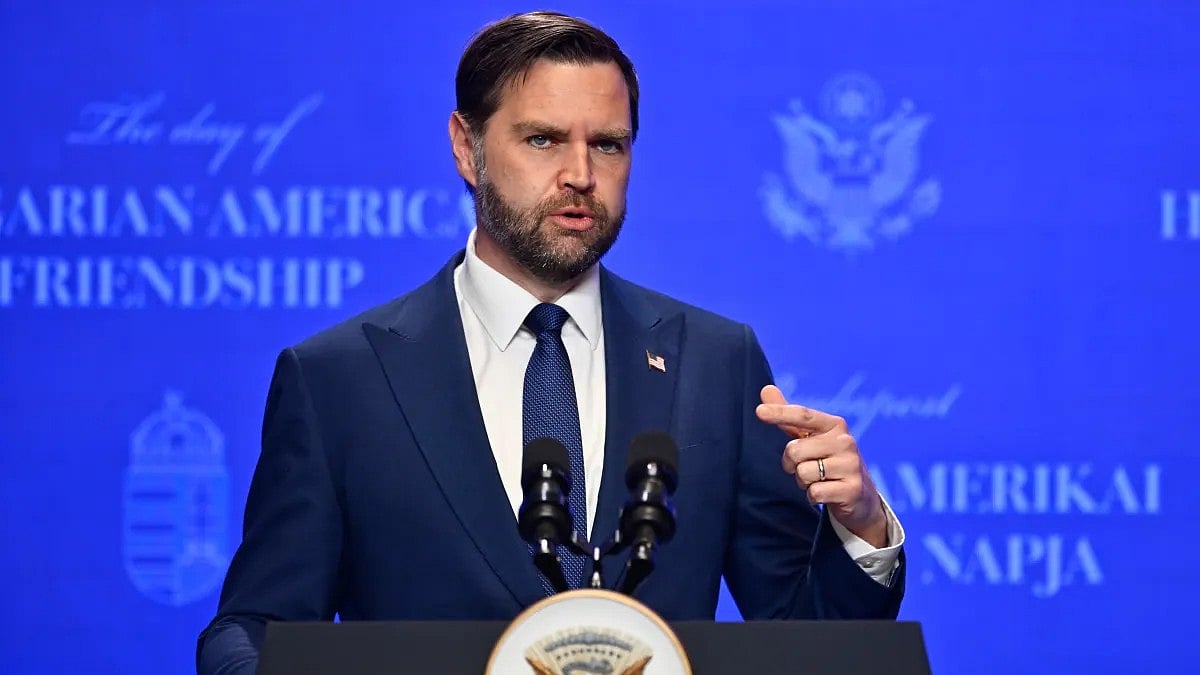
JD Vance said the United States has largely achieved its military objectives in the ongoing conflict with Iran, asserting that the next move now lies with Tehran. He added that Washington expects a response from Iran by a set deadline later in the day.
Deadline for Iran’s Response
Vance noted that while communication delays are possible, the US is confident of receiving a response positive or negative by 8 PM (Washington time). He expressed hope that Iran would make the “right decision,” emphasising the need for stability.
Highlighting global concerns, Vance said the US ultimately wants a situation where oil and gas flow freely, allowing people worldwide to afford essential energy needs like heating, cooling, and transportation.
Strikes and Rising Pressure
The statement follows US strikes on key Iranian infrastructure, including Kharg Island. The escalation comes amid mounting pressure from Donald Trump, who has set deadlines for Iran to reopen the strategically crucial Strait of Hormuz.
Escalating Rhetoric on Both Sides
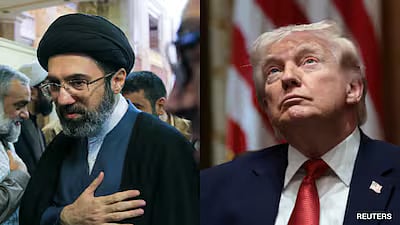
Tensions have surged with strong warnings from Washington, including threats of further strikes on Iran’s infrastructure if demands are not met. Iranian authorities, meanwhile, have urged civilians to help protect key installations, reflecting the gravity of the situation.
Global Stakes Rise
With nearly a fifth of the world’s oil supply passing through the Strait of Hormuz, the ongoing standoff has raised fears of a major disruption to global energy markets and further escalation in the region.
