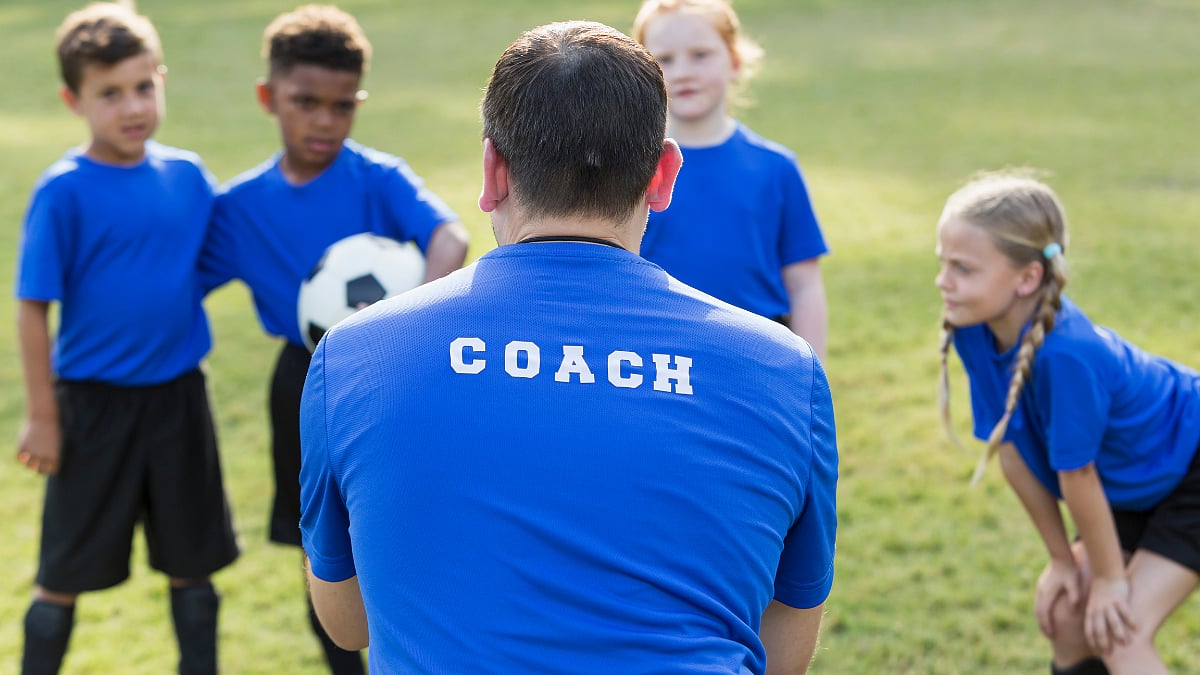
Sports can be seen as an opportunity for children to learn how to value hard work. Through participation in sports, children will develop important values through the experiences they have playing sports. No matter if a child plays basketball, runs track, swims, plays football, or any other type of sport, all of the skills that a child develops while participating in that sport will define who that child will be as an adult.
Dedication
Sports teach us that in order to become a great athlete, you must first commit to a training schedule, follow the rules of the sport, and constantly work on improving your athletic skills. A committed athlete learns the principles of developing their athletic ability over a long period of time through consistent daily practice. As a committed athlete improves their athletic ability, they will also have increased commitment towards reaching their personal goals.
Cooperation and communication skills
Sports provide children with a way to learn how to effectively communicate and understand different viewpoints while working as a team. When children participate in team sports, they understand that their teammates' contributions to the team are just as important as their own contributions to the team's success.
Emotional resilience
A child participating in sports learns valuable life lessons in an unbiased environment where his or her sport has both wins and losses as part of its journey. As an example, after a child has missed the basket at least once in a single game, or has lost a single game of football, or another sport, he or she learns what it is like to be resilient.
Self-Improvement
By continually achieving new skills, improving their times and reaching their goals while playing sports, children build confidence. Sports encourage children to take risks outside their comfort zones and to believe in themselves. The increase in self-esteem that comes from becoming a better athlete and the growing self-confidence that comes from being a better athlete increases the likelihood that children will also take part in classroom activities, make new friends, and take on additional challenges in all areas of life.
Social skills
Participation on a sports team allows children to be a part of, and have connections with, a community of children with similar interests and values. This sense of community supports the development of friendships and increases the development of social skills, such as understanding empathy, teamwork, conflict resolution, and supporting each other.
Time management
Participating in school sports and other forms of sports and leisure activity requires children to learn time management. The ability to develop a method of prioritization, to become organized and to implement routine will enable children to achieve the balance in their life necessary to understand when to be productive and when to rest, as well as how to delegate their energy to other lifestyle obligations.

Healthy lifestyle
Participating in sports results in developing fitness, endurance and strength. Children develop habits such as exercising regularly, eating well and sleeping well – all habits that promote a lifetime of health. Participation in sports also allows children to learn more about their body and teaches them the importance of stretching, staying hydrated and preventing injuries.
Leadership and responsibility
Whether they are the captain of the team or only responsible for their individual performance, children learn the value of integrity (e.g., fair play, respecting the rules and being sportsmanlike). The lessons learned through sports are invaluable for developing strong character and equipping children to lead responsibly in school, at their jobs and in the community.
Sports teach children to be a whole person, not just an athlete. To develop successful careers, the values taught in sports (e.g., self-discipline, teamwork, resiliency and leadership) will become part of each child's foundation for success and will help children face adversity with confidence as they develop an active, well-rounded and fulfilling lifestyle.
(Archana Khosla Burman, Founder, VERTICES PARTNERS & ZONE)

