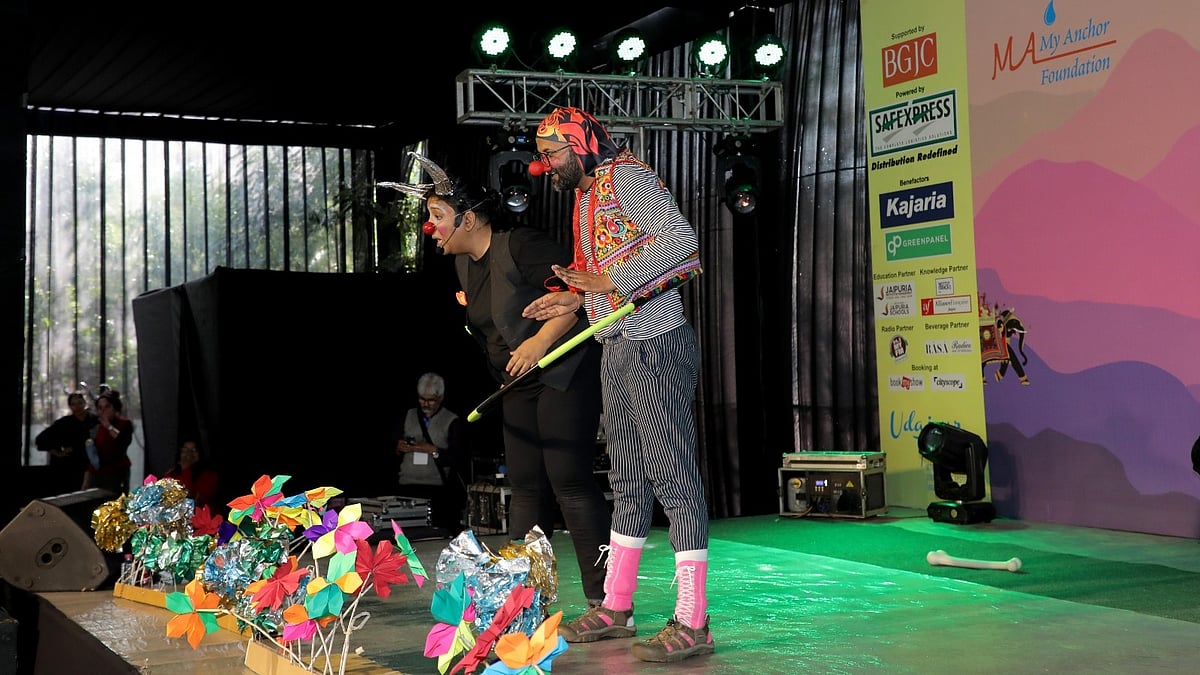
At a time when screens shape how we experience stories, the Udaipur Tales International Storytelling Festival, is encouraging people to slow down and simply listen. The festival focuses on live, oral storytelling, where stories are shared from memory and personal experience. In this interview, the founders, Sushmita Singha and Salil Bhandari, talk about why they chose storytelling instead of a traditional literary format, how folk and modern stories come together at the festival, and why real human connection still matters in today’s digital world.
Excerpts from the interview:
What was the moment that led you to imagine Udaipur Tales as a storytelling festival rather than a literary or cultural event?
We came upon the idea of an Oral Storytelling Festival one evening while sharing how stories told to us had shaped our lives from childhood. We were keen to work on conserving intangible cultural heritage, as we felt that our lives are so much built around them. Their imprint is deep and in critical moments they show us rage way. On of our tribal staff member’s shared a tradition, which was more modern then what we can imagine and we realised there were so many such stories that get lost. That further strengthened our resolve that oral storytelling needed to happen. This festival centres purely on live listening to the storyteller. The listeners are connected physically and emotionally to the story with the storyteller being the catalyst.
At a time when attention spans are shrinking, what makes live storytelling still resonate so strongly with audiences?
It may sound strange, but attention span has not been a concern for us at all at the Festival. Approx. 125–150 stories have been told over the six editions, there have been only three-four instances where attention of audience was lost. The reason is simple: The story and the storyteller’s style of telling decides how the audience will respond. Live storytelling creates a presence and emotional engagement that online media cannot replicate. When a listener sits live, without screens or distractions, the human psyche responds far more deeply, leading to stronger insight and retention.
The festival brings together romance, dastangoi, folk, horror, mystery and contemporary storytelling. What guided your curatorial philosophy?
Our curatorial philosophy is guided by the human emotion the story touches and the message it leaves. Genre is incidental, but an important facet to bring variety. We look at what emotion a story touches: love, fear, humour, courage, rather than how it is categorised. This allows traditions like Quissagoi, Dastangoi, Gond, Kawad, etc, to exist alongside contemporary narratives. At the festival, stories move seamlessly from romance to mystery to folk with different storytelling styles being used in the three days of the Festival.
How do you ensure representation of different regions, languages, and cultural perspectives?
Representation is intentional and central to our process. We invite storytellers from across India and internationally, ensuring linguistic, regional, and cultural diversity across stages. Constant research and search for forgotten oral traditions along with regional genres brings diversity. For example, a story on Kashmir’s mystic Lal Deg, Karnatic folk, 16th century dastangoi, South African and Russian folk, Celtic all find place at Udaipur Tales. Over time, this has created a listening community that is open, curious, and receptive beyond familiar cultural boundaries. The language of telling is Hindustani or English.
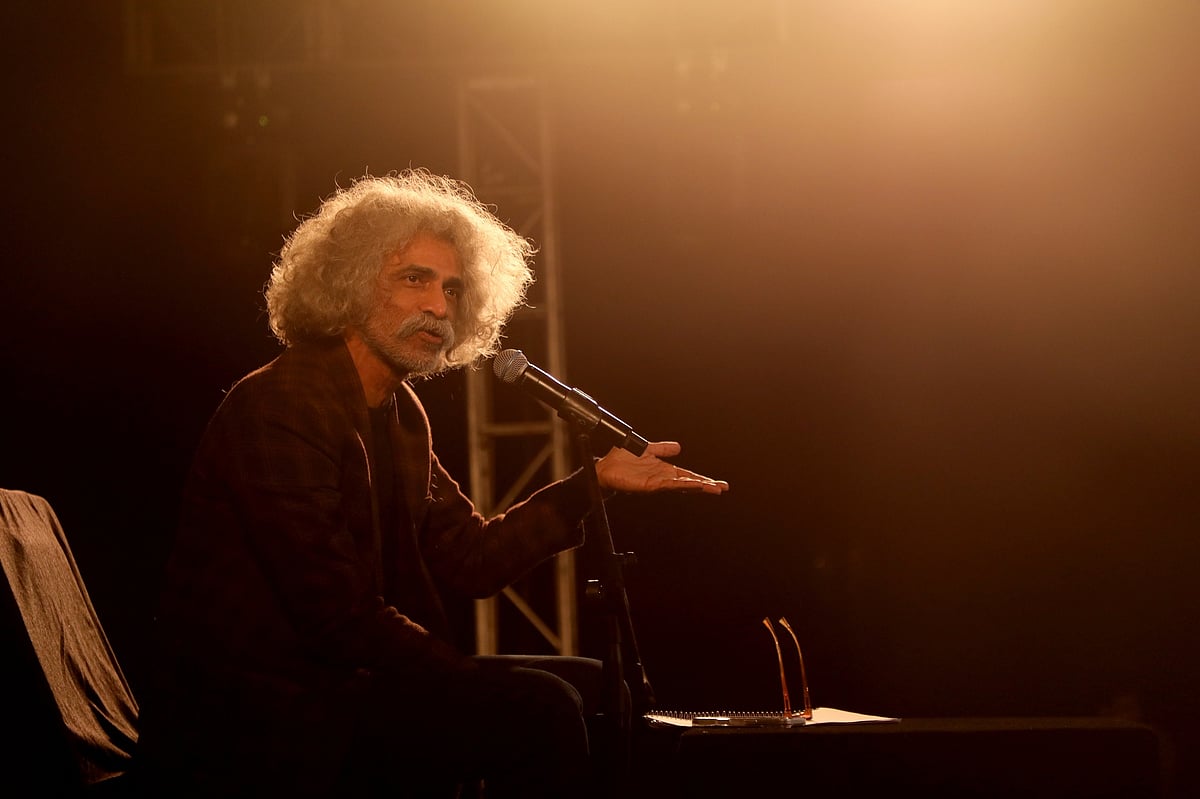
What differences do you notice between Indian and international storytelling traditions?
Indian storytelling traditions are deeply rooted in oral memory, mythology, folklore, and collective experience, while many international traditions often follow more structured narrative arcs or performance styles. The ancient Indian traditions are extremely expressive including narrating stories painted on small wooden doors or canvas or fabric. At Udaipur Tales, an Indian folk narrative and an African or Israeli myth often evoke the same emotional response, reinforcing the universality of human experience.
Have you seen younger audiences reconnecting with folk tales and oral traditions through the festival?
Yes, very clearly. Oral Stories have no age barrier. We have children, youth and older generations all find the festival entertaining. The Children’s Stage is one of the strongest examples of this reconnection. Children from government, public, and private schools sit together as equals and listen to stories ranging from Mewar’s history to folk tales from India, Africa, and beyond. Sessions are carefully curated for different age groups, and the response from younger audiences in colleges and after, especially repeat attendance shows us that oral traditions still resonate deeply when presented with care and intent.

Salil Bhandari |
Many stories reflect social realities, fears, love, and history. How do you see storytelling acting as a mirror to society today?
Stories have always reflected society, its aspirations, complexities, shared experiences, and transformations. Today, storytelling offers a space to slow down and engage with these realities with openness and understanding. Whether through autobiographical narratives, satire, or folk memory, stories act as a mirror that helps listeners recognise themselves and their communities. This recognition nurtures empathy, reflection, and often inspires a quiet yet meaningful shift in perspective.
With podcasts, reels, and AI-generated narratives gaining ground, how do you see the future of human storytelling?
Digital formats will continue to grow, but human storytelling will remain irreplaceable because it is rooted in real vibrations which generate an energy which is irreplaceable. In a live story use of breath, silence, pauses, vulnerability are elements that technology cannot replicate. At Udaipur Tales, we do not use of high-tech projections, reading from text messages r any such tool, allowing storytelling to exist in its purest form. This is where the future of human storytelling lies in intimacy and authenticity.
Are there newer storytelling formats or genres you’re keen to explore in future editions?
We are open to newer formats, provided they honour the essence of storytelling. Contemporary narratives, experimental styles, and cross-genre expressions interest us, but never at the cost of connection. We have encouraged contemporary styles of storytelling with good content in the past. Even as we evolve, the core remains unchanged: the story must lead, not the format or technology.
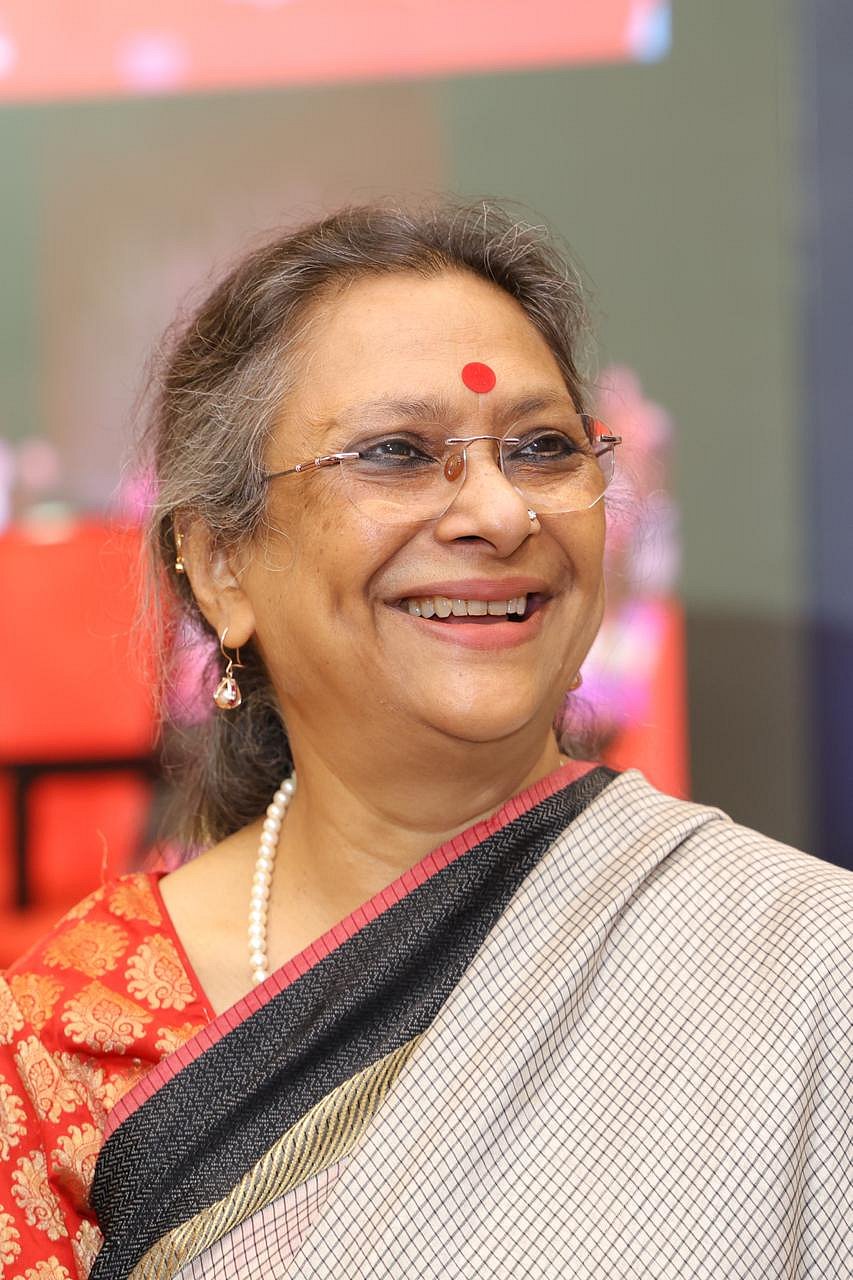
Sushmita Singha |
If storytelling were to disappear tomorrow, what would we lose as a society?
We would lose our collective memory. Stories carry values, lived experiences, and wisdom that are not documented anywhere else. Without storytelling, communities would lose a vital way of passing on resilience, identity, and empathy. Most importantly, we would lose the ability to truly listen to one another. We will lose human connection and we will not have any story to inspire, motivate or give us the mental strength to combat adversity. Stories of love and tenderness, beauty and adventure, joy and grief will be lost. It’s difficult to imagine a world without emotions.
What role can festivals like Udaipur Tales play in keeping storytelling intimate and authentic?
Festivals like ours can protect storytelling from becoming transactional. Through formats like Jamghat, where housewives, students, travellers, and senior citizens share stories, and children engage in storytelling the tradition of storytelling continues. Honouring of master storytellers who have carried traditions for decades, ensures continuity and respect for authenticity every year two storytellers are honoured for their mammoth contributions to regional and other traditions. The limited audience of around 300–350 listeners has helped create an intimacy Udaipur Tales preserves storytelling as a shared human experience—intimate, authentic, and deeply felt.

