
By the 52nd week of the year, stock taking and retrospection is on everyone’s minds, and even on their social feeds. 2025 is no different, and from where I stand, I am looking back very fondly at a year of many new experiences, professional successes and a profound year of useful learning.
This year sort of lingered, despite passing through rapidly it felt like a year full of interesting shifts, asking modern humans to live more deliberately. I travelled non-stop this year, but instead of ticking off cities, staying put in one place, letting it reveal slowly worked immensely better. This rhythm originally felt somewhat unfamiliar. Travel had always been about momentum, about what came next. But 2025 nudged me, and seemingly a lot of others to strive for quieter holidays, intentional destination choices and experiences that leave lasting impressions on the soul. Few friends took a hill town ‘workcation’ to the next level by renting a home and bringing their dog along to stay for two months. Another had taken a six-week sabbatical just to “wake up without alarms,” a friend in Mumbai downsized her social calendar, swapping nightout plans for Sunday lunches lasting all afternoon. An acquaintance, who was once obsessed with productivity apps, deleted them all and learned pottery instead in 2025. A shift is afoot with more and more people choosing to live slowly, and more deliberately.
Affirming the trend, Varun Chadha, Chief Executive Officer, TIRUN Travel Marketing said, “This year, we have observed a marked shift in traveller preferences towards more intentional and experience-driven journeys. They are no longer simply seeking getaways; there is a growing appetite for customised itineraries, allowing them to align it with personal interests, travel pace, and lifestyle.”
Sayantani Biswas, a Delhi-NCR–based entrepreneur, reflects this shift toward slower, intention-led living as she plans a solo cultural immersion trip to Andretta village in Himachal Pradesh in 2025, choosing to learn pottery not as a checklist experience but as a way to blend travel with personal growth—much like attempting her first-ever trek in her thirties, without prior training or an enduring interest in the outdoors.
Salloni Ghodawat, Chief Executive Officer of Ghodawat Consumer Limited spoke of ‘hush-pitality’, a phenomenon being driven by younger people today, where they are gravitating towards quieter and richer experiences. “The concept captures something essential”, she says. “Unlike just another trend, it is a deliberate lifestyle philosophy - redefining what the newer generations value and engage with through the intentional pursuit of calm, authenticity, and depth over noise, excess, and superficiality,” she explained.
Chadha informs of also seeing an increased focus on flexibility, with travelers appreciating choices that allow them to combine organized activities with leisure time. “This is particularly true among younger audiences, multigenerational families, and frequent travellers who want each trip to feel unique and memorable,” he added.
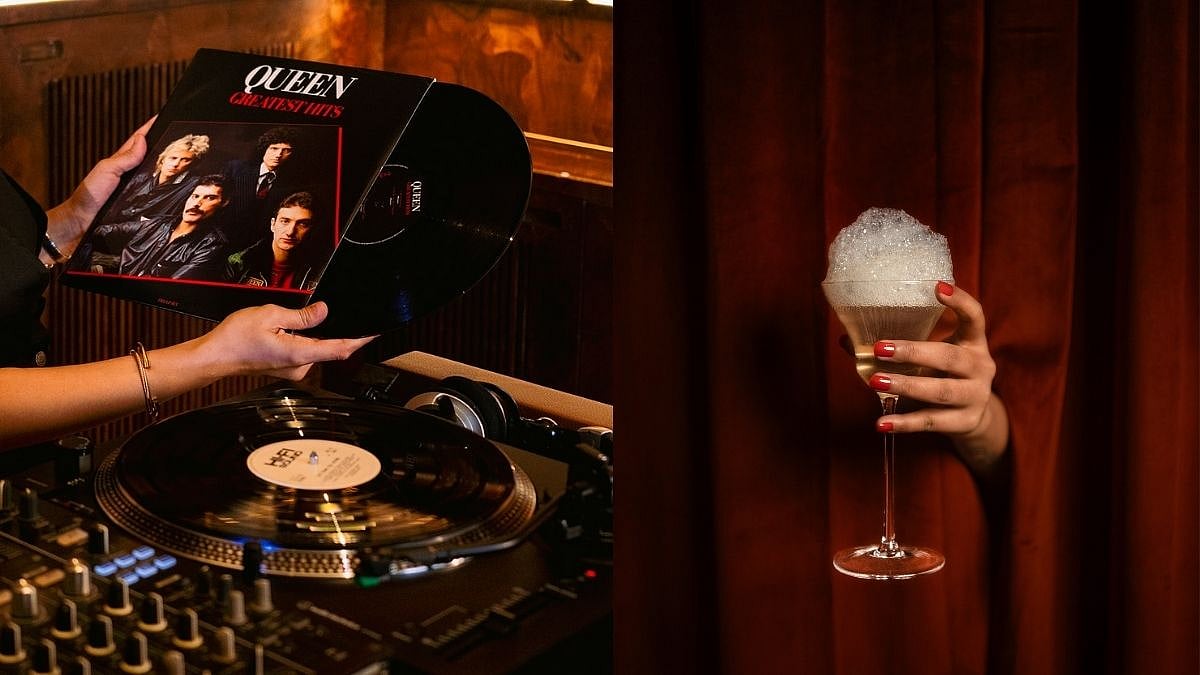
All things considered, 2025 has demonstrated that contemporary travellers place a great value on authenticity, customization, and enrichment, encouraging the travel industry to design trips that are not only pleasurable but also genuinely significant. Remarkably, a shift is setting into the consumer focussed industries. “The old playbook of 'more, bigger, louder' doesn't work anymore. The brands that will win are the ones helping people live more intentionally, with greater well-being,” says Ghodawat, who leads the FMCG arm of the larger group business.
Across conversations and continents, the same refrain is surfacing across consumer groups— that of fewer choices, made with more care. This does not mean everyone is opting out of ambitions; but they are sure redefining it. Slow became a form of resistance—to burnout, to performative busyness, to the idea that more is always better. In a world still humming with urgency, 2025 quietly made space for pause. And in doing so, it reminded many of us that a well-lived life doesn’t always move fast—it moves true.
This year brought forward a global shift toward deeper presence, from travellers choosing longer stays and cultural immersion over rapid hops between cities to workplaces experimenting with shorter workweeks that demonstrably reduced burnout and boosted employee wellbeing — underscoring a wider rebalancing of how people spend their time.

