
Stay healthy at work can be tough. For people with diabetes, it is often a quiet struggle on the job. With World Diabetes Day on November 14, we take a closer look at why diabetes management is becoming a major issue for the workforce.
Is it an issue?
Dr Shivaraj K, Consultant – Internal Medicine, Fortis Hospital, Rajaji Nagar, Bengaluru, finds diabetes silently advancing and compromising attention, energy, and productivity before actual indicators. “Environments characterised by sedentary occupations, disrupted eating, and chronic stress, compound blood sugar control. As a result, diabetes is recognised as a pertinent issue affecting health and performance in the workforce.”
Chaitanya Vijay Yerawadekar, Nutrition Expert, cult, throws light on 101 million adults living with diabetes (ICMR–INDIAB 2023), around 136 million Indians being prediabetic, especially in their productive working years. “These numbers explain why diabetes is quietly shaping how India works, produces, and sustains its economic growth. For a long time, diabetes has been considered a medical condition lurking behind the scenes of a person’s life. But with the rising age of onset and the increasing number of working-age adults who now have diabetes, one thing is clear: diabetes is a serious workforce challenge.”
Dr Dheeraj Kapoor, Chief – Endocrinology, Artemis Hospitals, notices diabetes at work after problems arise. “In India's fast-paced work culture, where health often takes a backseat, diabetes is a hidden but growing problem that affects performance, absenteeism, and overall well-being without anyone knowing it.”
Facing diabetes
For 64-year-old Dr Gopal Goel, an orthopaedic surgeon from Janakpuri, the diabetes diagnosis came in 2003, when a hectic trip to Dharamshala led to exhaustion, constant hunger, and the inability to complete a track. “My random blood sugar was more than 400 when I tested. Normally, it should be less than 140. I consulted a physician and started medicines. At the workplace, I did not have any difficulty due to diabetes, except for avoiding stress.”
For Tushar A Shinde, To and Go Tours Private Limited – Travel Options India & Travel Options Dubai DMC LLC and a diabetic patient, his 30 years of work experience, especially in the travel industry, has exposed him to irregular work life and hours, sudden client calls, airport runs, last-minute changes, and long days with no fixed time for work. “As an entrepreneur, I see the same thing in my own team, too. In travel, especially, our lifestyle makes it even harder. It affects sugar levels quietly and slowly. It impacts energy, concentration, mood, and overall health as well.”
Diabetes at Indian workplace
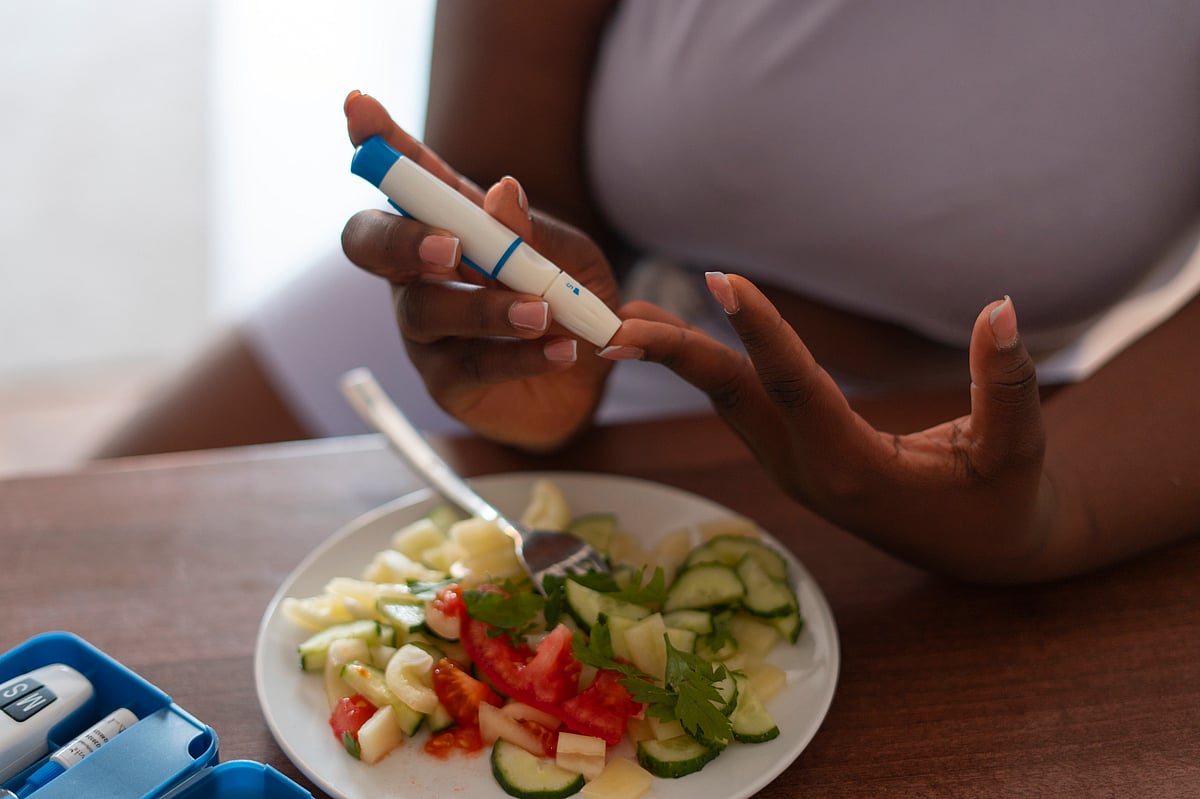
Dr Kapoor feels it is tough to maintain a healthy routine for diabetic working professionals in India. “Cultural tendencies towards long working hours, missed meals and difficult deadlines often add to the complications of achieving established blood sugar levels. Additional mental stress and sleeplessness also contribute to the difficulties of managing blood sugar levels with work expectations. It can feel as though there is a constant tension within the individual between adequately managing one’s health and meeting job duties, raising awareness and acceptance is needed at work.”
Yerawadekar adds, “In India, where more than one in six people with diabetes are of working age, this silent drain on the labour force has already started. Life as a diabetic working professional in India is a daily negotiation.” He feels there are social pressures of office parties, and a late-night work culture, leading to diabetes harm to food.
How to manage it
Dr Goel follows basic rules, like taking medicines punctually. “I also have my meals on regular time, avoid sweets at all costs, and am aware of symptoms of hypoglycemia or hyperglycemia. I avoid minor cuts and injuries, which may take a long time to heal.”
Shinde agrees with Goel. “From personal experience, managing diabetes while working in such environments requires conscious effort like keeping healthy snacks handy, taking short walks or stretches during the day, and regularly monitoring sugar levels.”
Dr Shivaraj also suggests standing up and taking a short walk or stretching every hour. Drink water and practice mindfulness to help manage stress. Take medications as prescribed. Aim for seven – eight hours of sleep to maintain metabolic stability.”
Yerawadekar wants everyone to focus on short-term lifestyle changes for long-term benefits. “Never skip breakfast since a balanced morning meal is beneficial for stabilising blood sugar levels and preventing energy crashes, limiting productivity and reducing Insulin resistance.” He suggests carrying home-cooked lunches with high protein and fibre content and avoiding long meal gaps.
Workplace changes

Shivaraj wants employers to create an environment that supports healthier employees and boost healthier eating options or cafeterias. “They can also organise screenings, and flexible work schedule roles. Small changes, like encouraging movement, letting employees walk fast for lunch, allowing short breaks to eat, and offering health discussions, can make a significant change to the health of the employees and to productivity.” Dr Goel suggests that workplaces avoid structurally sharp edges in furniture or windows, which can cause injuries.
“As chronic lifestyle diseases continue to rise, workplaces must realise how employee health is a prerequisite to longer-term productivity,” Yerawadekar feels. “Small, deliberate changes have a large effect. On-site diet counselling, ergonomic support, fitness classes and stress-reduction programmes are helpful for general lifestyle disease management.”

Dr Kapoor also wants employers to talk about chronic diseases and make people get regular health screenings. “It’s important to make the workplace a place where workers don’t have to worry about being judged for how they deal with their illness. A better workplace culture is good for everyone and makes everyone happier, more productive, and healthier.”
Diabetes can happen to anyone at any point in their life. But remember that it is manageable.
