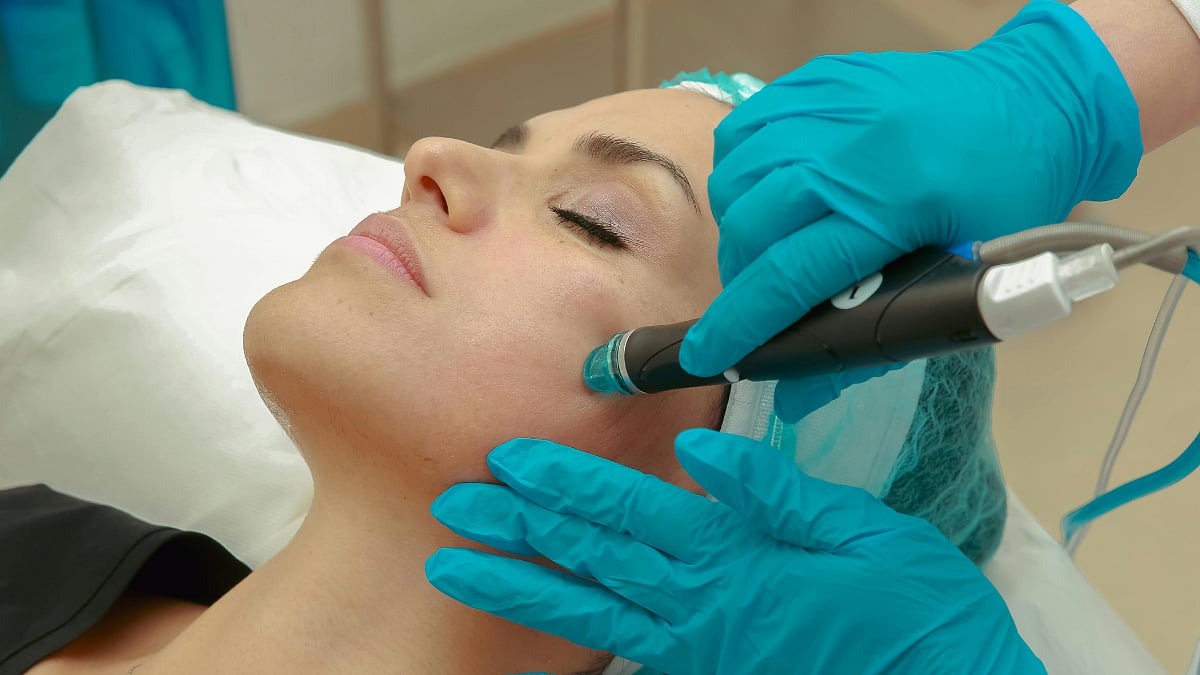
As we advance into the year 2026, several new skincare categories are emerging by combining the best elements of both the biomedical & regenerative medicine and the data-centric customised skincare. Consumers are beginning to prioritise not just a simple fix or instant gratification but instead want their skincare products to penetrate their skin on a deeper level and improve the overall health of the skin over time, with additional support for their specific needs.
Regenerative aesthetics: One of the most significant changes in reality is the rise of regenerative aesthetics in 2026. These are the treatments that restore skin that has lost its natural appearance over time, instead of artificially changing its appearance. The global focus on skin integrity, elasticity, and natural radiance is driving interest in bio-remodelling injectables. These work by stimulating collagen and elastin from within, helping the skin rebuild its architecture. Formulations rooted in pure, stabilised hyaluronic acid, such as Profhilo, play a significant role in this movement. Instead of adding volume, they enhance firmness, hydration, and overall quality of the skin, and now the majority of the patients are seeking procedures that maintain the natural shape of their body while their skin gets smoother, more elastic, and radiant. The movement is indicative of a wider change from the concept of 'anti-aging' to 'supportive' skincare, putting first the health of the skin in the long run instead of making drastic changes.
Hybrid lasers: With people seeking comprehensive yet efficient solutions, hybrid laser systems are becoming the gold standard for overall skin rejuvenation. These devices combine two or more wavelengths, allowing simultaneous treatment of both deep and superficial concerns. From scars and fine lines to pigmentation and pores, the versatility of these platforms significantly reduces the need for multiple separate sessions.
Technologies such as the Alma Hybrid are the perfect examples of this evolution. Through the combination of ablative precision and non-ablative comfort, they offer the skin to be resurfaced in a controlled way with a predictable downtime, which is very important to a consumer. Clinics are increasingly adopting hybrid lasers as part of multi-step, personalised protocols, making them a core component of next-generation skin repair.




Long-term hair reduction: Hair reduction has transcended the realm of event-based grooming and become part of routine wellness. People want smoother skin not just for special occasions, but as an ongoing element of hygiene, comfort, and confidence. As a result, 2026 will see higher demand for technologies that offer speed, safety, and broader skin-type compatibility.
Advanced diode platforms, especially newer, ergonomic systems like the Soprano Titanium Special Edition, are shaping this shift. These devices allow faster coverage of larger areas with reduced discomfort, making sessions more accessible for those with busy schedules. The trend reflects a broader cultural move toward low-maintenance beauty: long-term, fuss-free, and lifestyle-aligned.
Pro-level barrier repair: An uncompromised skin barrier is becoming the non-negotiable foundation of modern skincare. Rising sensitivity, pollution exposure, and harsh routines have pushed dermatologists and aestheticians to adopt a “barrier-first” philosophy. Instead of addressing isolated issues like pigmentation or acne immediately, clinicians are prioritising barrier recovery to ensure the skin can tolerate and respond optimally to further treatments.
Expect to see increased use of ceramides, essential fatty acids, peptides, and microbiome-supportive formulations in professional settings. Therapies that restore lipid balance and calm inflammation, often paired with gentle in-clinic treatments, will dominate the first phase of most treatment plans. Healthy skin is responsive skin, and 2026 is the year this principle becomes universally embraced.

AI-driven personalisation for skin diagnostics: Technology is taking skincare personalisation to unprecedented levels. AI-powered skin scanners, 3D imaging, and hydration-mapping devices provide insights into the skin’s behaviour that were previously difficult to assess. In 2026, these tools will become integral to crafting customised, phased treatment plans.
Clinics are increasingly using digital diagnostics to decide when to introduce lasers, when to opt for regenerative injectables, and how to sequence treatments for maximum effect. This ensures patient journeys are more efficient, predictable, and aligned with biological needs. The future of skincare is deeply personalised and backed by measurable data.
Bottom line
In 2026, the skin care products and services offered are becoming more advanced and personalised than ever before. This is accomplished through the use of advanced technologies, bio-remodelling injectables, and hair-reduction systems. The ultimate goal of these advances is to provide healthier, naturally glowing skin while being supported by science and providing a level of customisation that has never been seen before.
(Dr. Amrita Talwar, Consultant dermatologist – Skinopsis Dermatology Clinic)
