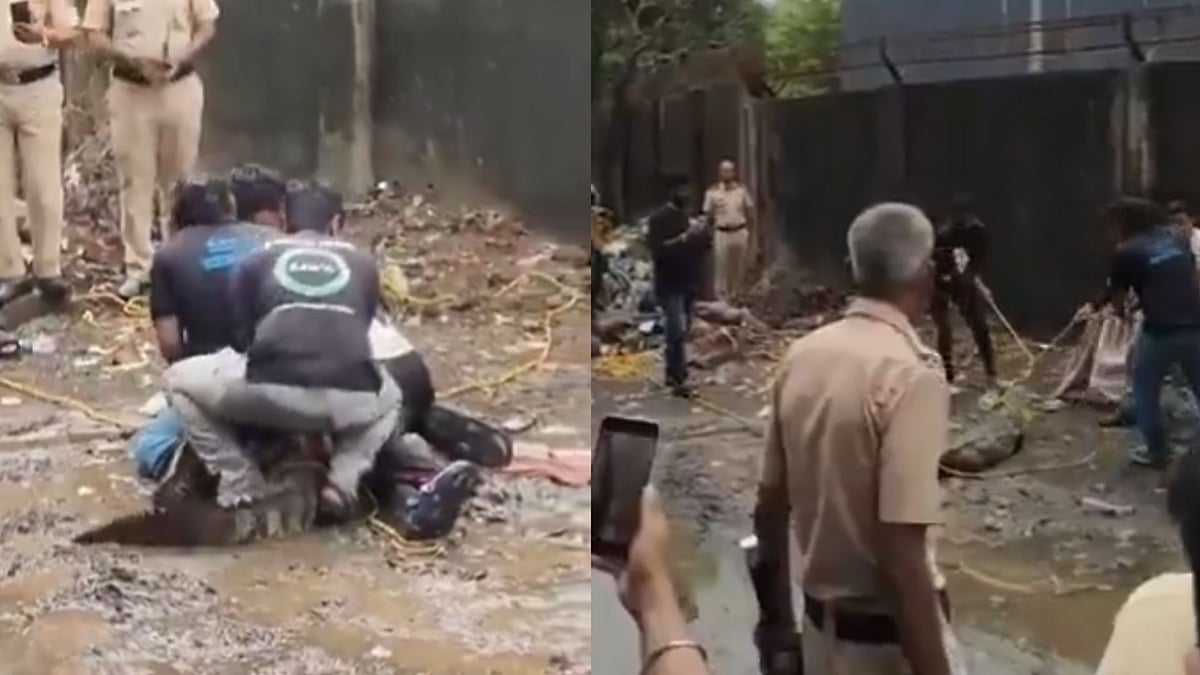
A crocodile spotted near the Powai NITIE area in Mumbai triggered a quick response from civic authorities after a video of the reptile surfaced on social media. The clip rapidly gained traction online, drawing the attention of local officials, who coordinated with the concerned departments to ensure the animal was safely rescued.
Fortunately, no injuries or untoward incidents were reported during the operation.
Social media alert helped authorities act
The incident first came to light when an X user uploaded a video showing the crocodile near the Powai NITIE area. The post was captioned, "Crocodile Spotted at Powai Nitie Area ! @IndiaWeatherMan @mybmc @powaiinfo @tv @MahaForest."
As the video spread online, the Brihanmumbai Municipal Corporation (BMC) responded promptly, requesting precise location details to help rescue teams reach the spot without delay.
Replying to the post, the civic body wrote, "Kindly share the exact location so we can assist you more effectively."
The response reflected the coordination between civic authorities and wildlife officials to verify the reptile's location and carry out the rescue safely.
Crocodile rescued without any incident
The individual who originally shared the video later posted an update confirming that the rescue had been completed successfully.
The follow-up message read, "Crocodile Spotted at Powai Nitie Rescued Safely by The Concern Authority."
Officials safely secured the crocodile, and there were no reports of harm to residents or the animal.
Why crocodiles are sometimes seen around powai
Wildlife experts note that crocodile sightings are not uncommon around Powai Lake and nearby water bodies. During the monsoon season, rising water levels and flooded channels can cause reptiles to move beyond their usual habitats in search of suitable shelter or access to connected waterways.
The marsh crocodile, also known as the mugger crocodile, is native to many freshwater ecosystems across India and is known to inhabit lakes, rivers, reservoirs and wetlands. While these reptiles generally avoid human interaction, accidental encounters can occur when their habitats overlap with urban areas.
