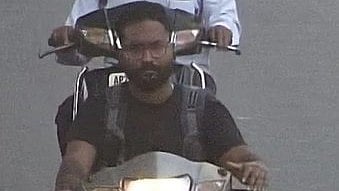
Hyderabad resident Faisal Rahman never expected to hear about his stolen motorcycle again, until a traffic fine landed in his inbox nearly three months after the theft.
Rahman had already filed an FIR at Habeeb Nagar Police Station after his bike went missing. However, despite the complaint, the vehicle remained untraced. The situation took an unexpected turn when an e-challan was issued for a traffic violation involving the same bike.
The automated challan included a clear photograph of the rider, something investigators had not managed to obtain during the initial probe. Rahman shared the image on X, tagging Hyderabad Traffic Police and city authorities, urging them to use the photograph to identify and arrest the culprit.
His post quickly gained traction online. While some users demanded faster police action, others shared similar experiences, alleging delays, weak follow-up, or procedural hurdles after reporting stolen vehicles. A few commenters, however, expressed hope that technology could now help recover the bike.
A nationwide pattern emerging
Rahman’s case reflects a wider issue seen across multiple states: traffic surveillance systems often continue issuing fines to registered owners even after vehicles are officially reported stolen.
Because challans are automatically generated based on registration numbers, they are sent directly to owners without verifying whether the vehicle has been flagged as stolen in police records.
In Uttar Pradesh’s Saharanpur, a car owner received a Rs 4,000 challan from Uttarakhand despite his vehicle remaining parked outside his home since the Holi festival.
The owner suspects misuse of a duplicate number plate attached to another vehicle.
Not all cases end in frustration. In Bhubaneswar, a stolen scooter was successfully recovered after an AI-enabled traffic camera captured the thief riding without a helmet.
The vehicle owner forwarded the challan photograph to police, who traced the suspect to Athagarh, arrested him, and recovered the scooter.
The core problem: Databases that don’t communicate
Experts say the recurring issue stems from a structural gap in India’s digital enforcement systems.
Traffic monitoring platforms and police crime databases typically operate independently. While automated cameras instantly detect violations and generate challans, they do not always cross-check whether a vehicle has already been reported stolen.
As a result, enforcement systems may accurately track traffic violations but remain unaware that the same vehicle is part of an active theft investigation.

