
For millions of Indians, bhindi (okra) is an everyday vegetable that regularly appears on lunch and dinner tables. Affordable and widely available, it is rarely considered anything special. However, one Indian content creator was left stunned after discovering how the same vegetable is being marketed in the United States.
During a visit to a supermarket in America, content creator Ashish Ahuja came across a packaged okra snack that immediately grabbed his attention. What surprised him even more than the product itself was the price printed on the shelf.
₹600 for a small packet of Okra
The snack consisted of crispy, seasoned okra chips packed in an 85-gram pouch. While the packaging positioned it as a healthy and convenient snack, the price tag was what sparked disbelief. The packet was being sold for $6.50, which converts to roughly ₹600.
For many Indians accustomed to purchasing fresh bhindi by the kilogram at local vegetable markets, the cost seemed unusually high. Curious about the markup, Ahuja quickly estimated what the product would cost per kilogram and found that the price would exceed ₹7000.
Social media reacts to the price
The creator shared his discovery online, joking about how bhindi appeared to have received a dramatic promotion after crossing international borders. He humorously suggested that the snack seemed to cost more because of its trendy branding and premium image rather than the vegetable itself.
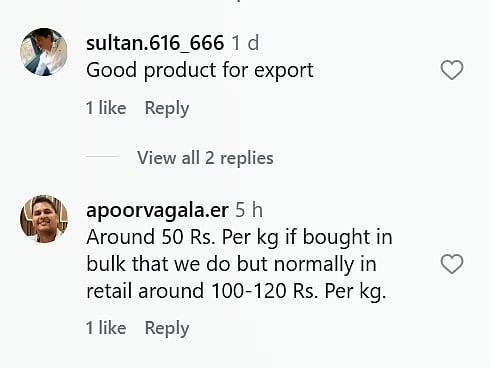
His video quickly attracted attention on social media, with viewers expressing amusement and surprise at the pricing. Many users compared the cost to common snack foods and wondered how a vegetable often considered ordinary in India had become a premium health product overseas.
Why imported and health-focused snacks cost more
The pricing difference is not entirely unusual. In several Western markets, ingredients commonly found in Indian kitchens are frequently repackaged as specialty health foods. Factors such as processing, dehydration, packaging, import costs, branding, retail margins, and growing demand for plant-based snacks can significantly increase the final selling price.
Crispy vegetable chips made from ingredients like okra, beetroot, kale, and sweet potatoes are often marketed as healthier alternatives to traditional potato chips, allowing brands to charge a premium.
