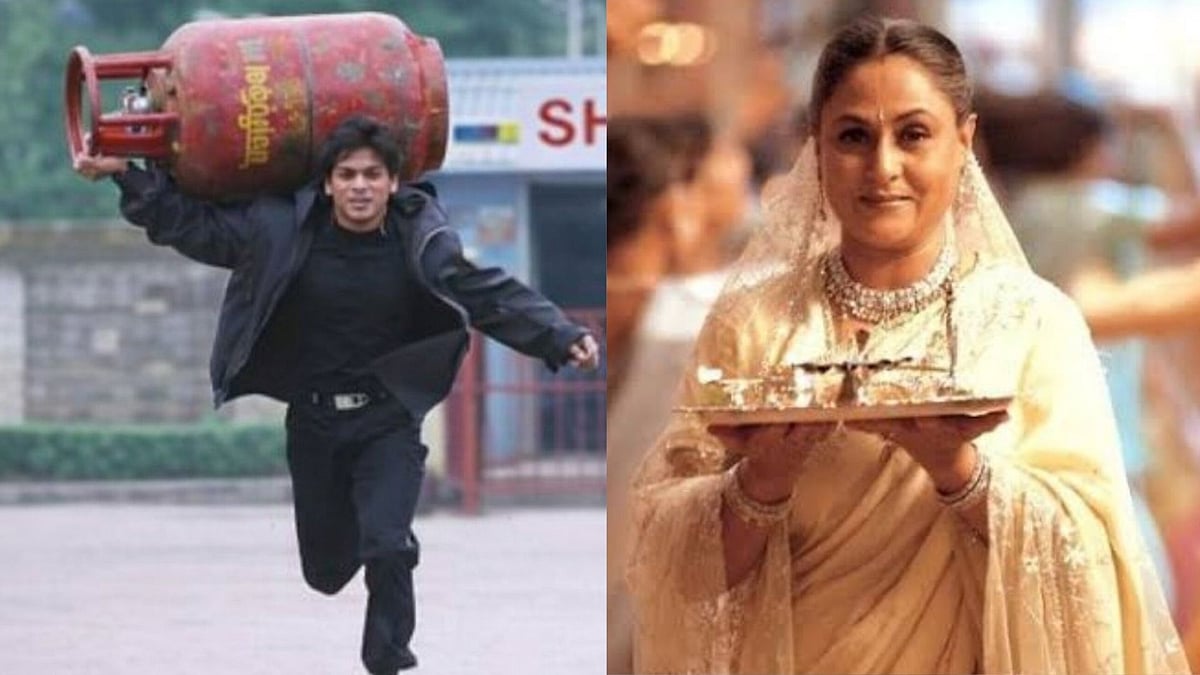
Growing fears of a potential LPG shortage in India, linked to escalating tensions in West Asia, have sparked widespread reactions online. While concerns over fuel supply and rising prices dominate discussions, many Indians have turned to memes and dark humour on social media to express their anxiety about the situation.
Social media reacts with memes and dark humour
As uncertainty around LPG availability spreads, social media platforms have been flooded with jokes, memes and satirical posts. Users are sharing humorous takes on everyday cooking struggles and the possibility of rising gas cylinder prices.
This way of coping with global disruptions through humour has become increasingly common in the digital era. Similar online behaviour was observed during previous geopolitical tensions, when memes and satirical commentary quickly went viral across platforms.
West Asia conflict raises energy concerns
The ongoing conflict involving Iran and the alliance of the United States and Israel has intensified instability across West Asia, a region that plays a crucial role in global energy supply. The situation has raised alarms for energy-dependent Asian economies such as India and China, both of which rely heavily on imported crude oil and gas.
India has historically sourced a large share of its liquefied petroleum gas (LPG) and crude oil from Gulf countries. Any disruption in the region therefore tends to trigger concerns about supply security and price volatility in the domestic market.
India diversifying energy imports
To reduce dependence on a limited number of suppliers, the Indian government has gradually expanded its energy sourcing network. According to recent statements from the Petroleum Ministry, India now imports crude oil and natural gas from around 40 different countries.
This diversification strategy is aimed at strengthening energy security and protecting the country from sudden geopolitical shocks that could affect supply chains.
LPG prices spike in some local markets
Despite reassurances from authorities, reports from parts of North India indicate that LPG cylinders are already becoming more expensive in informal markets. Street vendors in the National Capital Region have reportedly been paying more than ₹2,300 for cylinders that normally cost around ₹1,750.
In extreme cases, black-market prices are said to have reached nearly ₹5,000 per cylinder, reflecting panic-driven demand and fears of limited supply.
Restaurants and caterers feel the pressure
The hospitality and food industries are among the sectors most vulnerable to LPG disruptions. Restaurants, small eateries, street food vendors and wedding caterers rely heavily on gas cylinders for daily cooking operations.
Any significant increase in LPG prices could raise operational costs, potentially forcing businesses to increase food prices or explore alternative cooking methods.
