Concerns around women’s safety in Delhi once again entered public debate after a viral social media video triggered widespread outrage, only for its authenticity and context to be questioned soon after.
A 72-second clip shared on X rapidly gained traction, claiming that three foreign women were harassed by a man on a Delhi street while bystanders allegedly watched without intervening. The post quickly drew emotional reactions, reigniting conversations about public safety, accountability, and the role of spectators during confrontations.
What the viral video shows
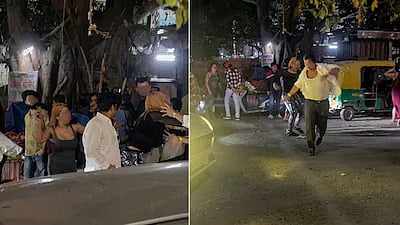
The footage captures a tense nighttime scene on a busy road lined with vehicles. A confrontation unfolds in the middle of traffic as several individuals chase and argue with a man while curious onlookers gather around.
Women dressed in bright clothing, including one wearing pink and another appearing to have long blonde hair, are seen confronting the man and pursuing him across the road. However, the video itself offers no clear identification of those involved, leaving viewers dependent on the caption’s claims.
As the clip circulated widely, thousands of users shared strong opinions about both women’s safety and public behaviour in crowded urban spaces.
Internet users challenge the narrative
Soon after the video went viral, social media users began disputing the claims made in the original post. Comment sections turned into informal fact-checking forums, with many arguing that the caption misrepresented the incident.
Several users stated that the individuals shown were not foreign tourists but local transgender persons commonly seen at traffic intersections in Delhi. Others rejected attempts to assign political or religious identities to the man involved, saying there was no verified evidence supporting such claims.
The backlash grew rapidly, with users accusing the account of amplifying misinformation and framing the incident to provoke outrage. Many demanded action against the handle, arguing that misleading captions can inflame social tensions and spread unnecessary panic.
Politics, identity and online outrage
The debate soon moved beyond the incident itself. Some users alleged the post attempted to push a political narrative for engagement, while others criticised how quickly social media users draw conclusions without verified facts.
Screenshots, counterclaims, and competing versions of events flooded the platform, highlighting how viral content often evolves into ideological battles rather than discussions grounded in confirmed information.
Despite disagreements over the video’s authenticity, the discussion once again highlighted persistent anxieties surrounding women’s safety in Delhi. The city has frequently faced scrutiny over public harassment incidents, making viral claims especially sensitive and emotionally charged.

