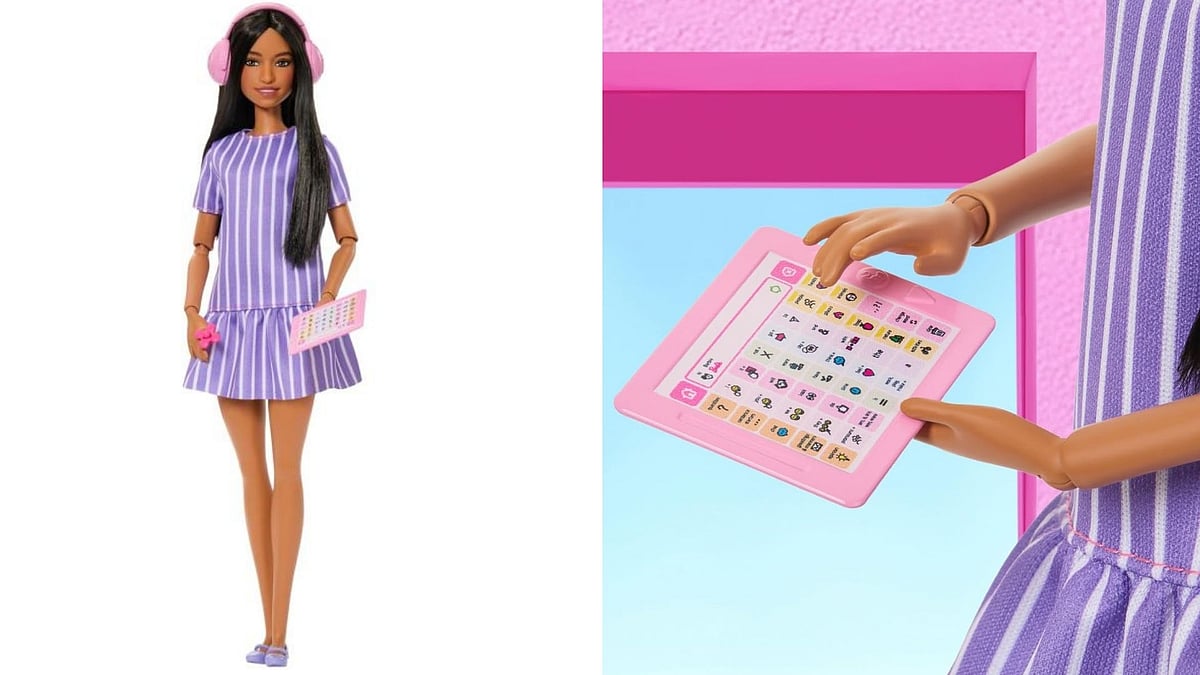
Barbie has expanded its inclusion-driven range with the launch of its first Autistic doll, marking a significant moment in how children’s toys reflect diversity. The move places neurodiversity in focus, alongside the brand’s existing dolls representing Type 1 diabetes, visual impairment, and Down syndrome.
According to the company, the Autistic Barbie was created over an 18-month period in collaboration with the Autistic Self Advocacy Network (ASAN), a US-based organisation led by autistic individuals. The goal was to avoid one-dimensional portrayals and instead design a doll that feels authentic, relatable, and respectful of real autistic experiences rather than relying on cliches
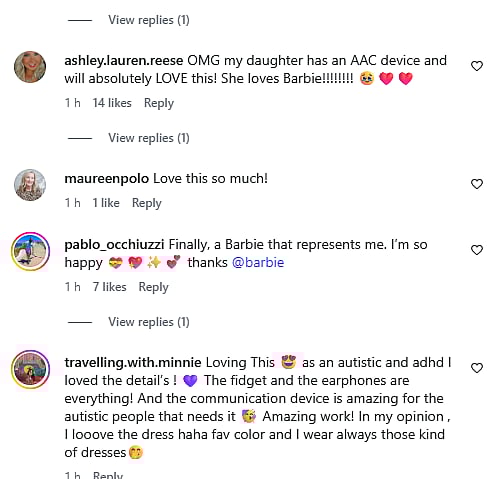
Mixed reactions on social media
The launch has triggered wide discussion on X, where many users applauded Barbie for acknowledging neurodiversity and normalising conversations around autism through play. However, some critics questioned whether a single design can truly represent the wide autism spectrum, highlighting an ongoing conversation about who defines inclusivity and how it should be portrayed in mainstream products.
Supporting Autism awareness in India
As part of the India launch, Barbie announced that a portion of the doll’s sales will be donated to the India Autism Center, an organisation working towards autism awareness, education, and inclusion. The initiative aligns the product with broader social impact beyond retail.

Why this matters
Experts often note that inclusive toys can help children develop empathy, reduce stigma, and better understand differences from an early age. By introducing neurodiverse representation into one of the world’s most recognisable toy brands, Barbie is contributing to a larger cultural shift around acceptance and visibility.
While opinions remain divided, the Autistic Barbie has undeniably sparked conversation, an indicator of how representation in children’s toys continues to evolve in India and globally.

