It is a treat for anyone who likes to indulge in natural and ethnic beauty devoid of modern invasion, write, Anand & Madhura Katti.
Bulgaria, the agricultural and tourist nation in Europe has an incredibly diverse beauty of Balkan Mountains and the golden sand beaches of the Black Sea that are steeped in glorious history. The south-eastern European nation occupies eastern part of the beautiful Balkan Peninsula.
Veliko Tarnovo
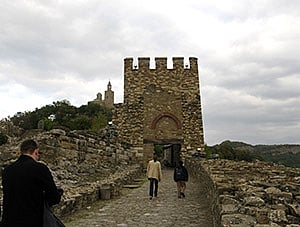
Climb to the Tsarevets Fortress in Veliko Tarnovo is majestic. The stronghold structure located at the peak of a hill by the same name was the medieval capital of the second Bulgarian Kingdom and a significant monument of culture. Ruins of a palace and the church of St. Petka along with some historic residences, water reservoirs and battle towers are magnificent enough as a reminiscent glory of the bygone kingdom. History is made interesting through the sound and light show. Veliko Tarnovo is one of the oldest towns in Bulgaria. Its history dates back to more than five thousand years. The town was the capital of Bulgarian state from 12th to 14th century. The fortress was besieged and burnt down by Ottoman forces during the end of the 14 century leaving just the rock stronghold to depict history.
Holy Forty Martyrs Church at the foot of the fort is a monument of culture. The church is composed of two parts; the oblong basilica with six columns and the other, an annex added later to the western side of the building. Bulgarian Empire’s most significant historical records are stored in the church
Yantra River surrounds the hill in this beautiful old city in northern Bulgaria. The river has its source from the northern foot of Hadzhi Dimitar Peak in Central Stara Planina. Stara Planina, (Old Mountain) at 1,340 meters is a scenic mountain range in the eastern part of the Balkan Peninsula sheltering historic sites and natural landmarks.
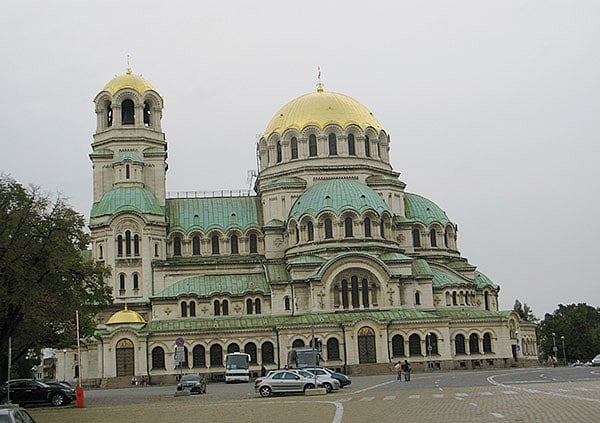
We had earlier arrived at Bulgaria’s capital Sofia and were amazed at the city’s well laid-out road network amidst its natural and historic bounty. Communist occupation for 44 years till 1990 here had ensured restricted development, thus retaining much of its original beauty. Few big shopping malls and commercial complexes dotted along the aesthetic architecture in the city flag the foray into the current transition era of modern development. Some elder tourists said that it looks like United Kingdom of two generations ago.
Travelling 220 kilometers on wide highways devoid of heavy traffic from Sofia to Veliko Turnovo was a pleasant experience. Stopovers at petrol stations were refreshing with coffee and cakes from the adjoining outlets. Alongside the mountain road, it’s easy to spot a few rare birds and plenty of exotic Edelweiss. The beautiful mountain flower belongs to the sunflower family.
Country cuisine
We stopped at village Arbanassi, four kilometers before reaching Veliko Turnovo for lunch. The country cuisine is rich in dairy produce of native breeds. Snezhanka, thick cream yoghurt with chopped gherkins, walnuts and garlic was yummy starter. Bob Chorba, the traditional bean soup with plenty of herbs, Kebaptchata- spicy, grilled mince meat sausage and sweet pancakes were delicious.
At a village museum, an old home at Arbanassi is rendered to illustrate the local life style. Natural granite flouring, white washed walls, large wooden beds with bright bed covers and conveniently arranged copper and iron utensils near the fireplace of the kitchen weren’t too different from the lifestyle at a traditional Indian family. The quaint little town on a high plateau has many historical monuments and Churches of 17th and 18th century.
The old part of Tarnovo city bustled with craft shops run by master craftsmen. A lady crocheting a shawl at the street corner had a beautiful display of her handwork on the wall behind her.
The Balkan Mountain divides the country in two. Its highest peak is Botev (2376 m) and the Eastern most point is Cape Emine, where it juts into the Black Sea.
Golden sandy beaches of Black Sea
Varna: Beach town of Varna is often referred as the Gem of the Bulgarian Black sea, Varna is situated at the end of the big Varna bay. The town established in the 6th century BC by the then emigrants is now an amalgamation of ancient medieval renaissance and modern culture. The city’s peculiar sea charm is sublime. Our first halt was at the Roman Baths a key monument in the cultural visit list of Varna. These public baths of Odessos are among the best preserved architectural monuments of the Roman age in Bulgaria. Archaeological Museum in Varna is built in the baroque style. Apart from the original finds of the Paleolithic age of about 100,000 years BC, it has the largest Mesolithic collection of flint tools in South East Europe. The Varna Necropolis is considered the oldest gold treasure in the world.
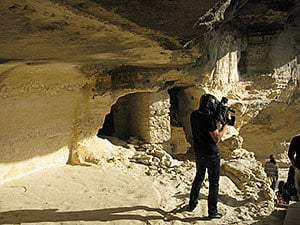
Aladzha Monastery, at a distance of 17 kms from central Varna and just three kilometers away from the beach is a 40 meter high bi-level limestone carved structure. The first level has a Kitchen, cemetery, monastery cells and a medieval Orthodox Church.
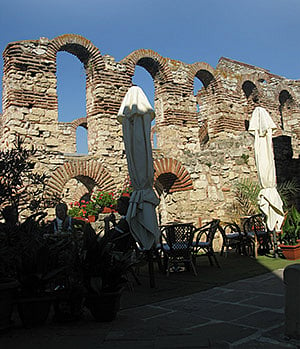
Burgas: Situated at a distance of 120 kms from Varna, Burgas is the administrative center of the South Black Sea Region. The UNESCO World Heritage Town lies on a small peninsula linked to the new part of the town. Beautiful sights here include sea garden, beaches, art gallery and opera theaters. Walking tour of the old town Nesebar is a pleasurable experience on cobblestone paths through small lanes and streets exuding history and interesting shops & inviting restaurants. The 3200 years old town once had as many as 40 churches. The remnants of 23 have been recovered and one time main church of the city of Mesemvria (Old name of Nesebar) called St. Sophia or Old Bishopric church is among the best preserved churches.
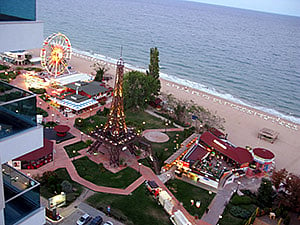
There are many ethnic souvenir and antique shops in the area. Most of the hotels and resorts are located in the new part of the town. Nesebar and nearby resorts of Sveti Vlas, Sunny beach, Pomorie and Ravda offer diverse selection of leisure and entertainment options for visitors. To watch and dip in the waters of the sea where striking waves leave behind loads of white surf at the golden sand beaches seemed a favorite pastime for locals and visitors alike.
The trip was overwhelmingly refreshing to us, who had little expectations from the lesser known country. It is a treat for anyone who likes to indulge in natural and ethnic beauty devoid of modern invasion.




