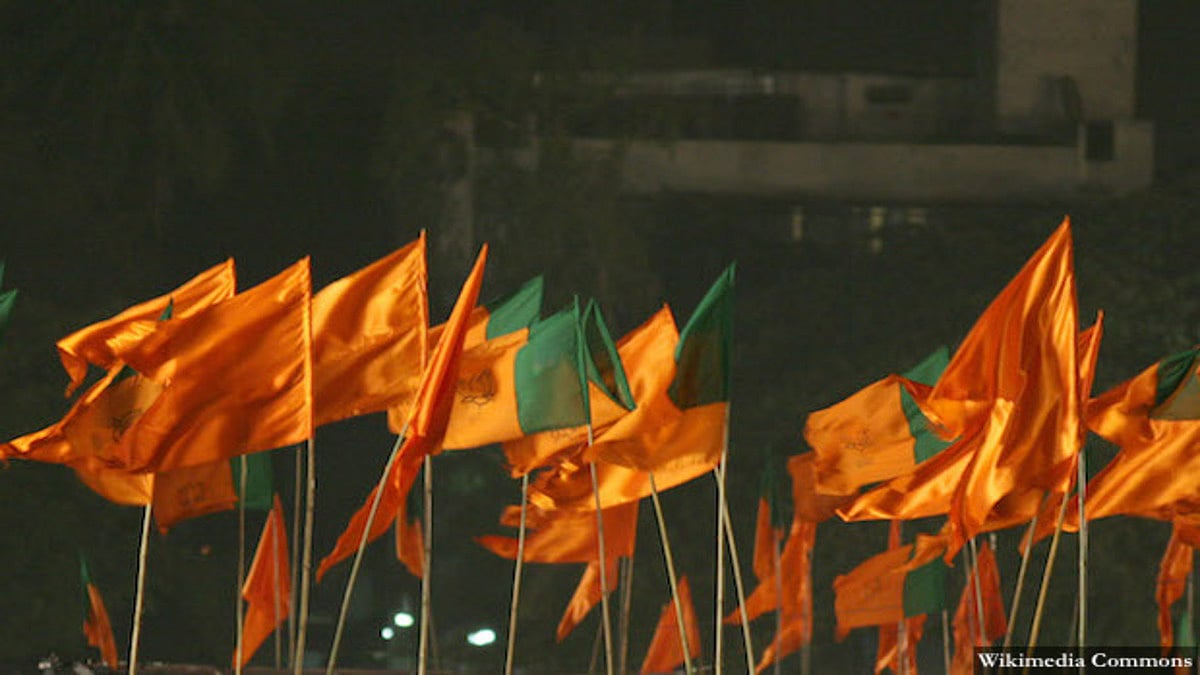
The ceremonial gavel of the BMC has finally returned to the hands of the Bharatiya Janata Party after a hiatus that spanned four decades.
On February 11, 2026, BJP corporator Ritu Tawde is set to officially take charge as the Mayor of Mumbai following an unopposed election process. This moment marks the party's first time holding the prestigious post since Prabhakar Pai concluded his tenure in 1983, signalling a massive shift in the tectonic plates of Maharashtra's urban politics.
A city transformed since the Pai era
The Mumbai of 1982, where Pai presided over the corporation, was a city defined by the clatter of textile mills and the burgeoning "Sons of the Soil" movement led by a rising Bal Thackeray.
Back then, the BJP was a junior player in civic affairs, often operating in the shadow of the socialist and regional heavyweights of the time.
In 2026, Tawde inherits a global financial hub defined by multi-billion dollar infrastructure projects like the Coastal Road and a sprawling Metro network, reflecting a city that has outgrown its industrial past to become an international metropolis.
Breaking the Thackeray bastion
The transition is more than just an administrative change.
It represents a symbolic "conquest" of a territory that was synonymous with the Thackeray family for over a quarter of a century.
Since 1997, the Shiv Sena—led first by Bal Thackeray and then by Uddhav Thackeray—maintained an iron grip on the BMC, the richest municipal body in Asia.
Tawde’s victory, backed by the Mahayuti alliance and a decisive 89-seat win for the BJP, effectively ends this 25-year monopoly, moving the seat of power away from the traditional influence of Matoshree.
Strategy of identity and growth
The BJP’s return to the Mayor’s office was not accidental but the result of a calculated strategy to blend its development-focused agenda with local Marathi identity.
By nominating Tawde, a Marathi-speaking leader with Malvani and Konkani roots, the party successfully countered the regionalist rhetoric of the Shiv Sena (UBT).
This move allowed the party to appeal to both its traditional cosmopolitan base and the critical Marathi voter block, presenting a vision of a "safer and more developed Mumbai" that looks toward 2030 rather than looking back at 1982.
From opposition to accountability
Old-timers who remember the Pai tenure often speak of a time when the Mayor’s office was a seat of quiet deliberation between varied ideological factions.
Today, the stakes are significantly higher, with a budget that rivals that of several smaller Indian states.
As the 44-year wait ends, the focus now shifts from the thrill of the win to the burden of delivery.
For the BJP, the challenge lies in proving that it can manage the immense complexities of Mumbai’s civic needs with the same efficiency it used to win the election.

