
Elon Musk emerged defiant from a federal courthouse in Oakland after a nine-person jury unanimously rejected his sweeping lawsuit against OpenAI, Sam Altman, and Greg Brockman, delivering a clean courtroom victory to the AI company he once helped found.
Within hours of the verdict, Musk posted a lengthy statement on X, the social media platform he owns, insisting the ruling was a procedural misfire rather than a substantive exoneration of OpenAI's conduct.
"There is no question to anyone following the case in detail that Altman & Brockman did in fact enrich themselves by stealing a charity. The only question is WHEN they did it!" he said.
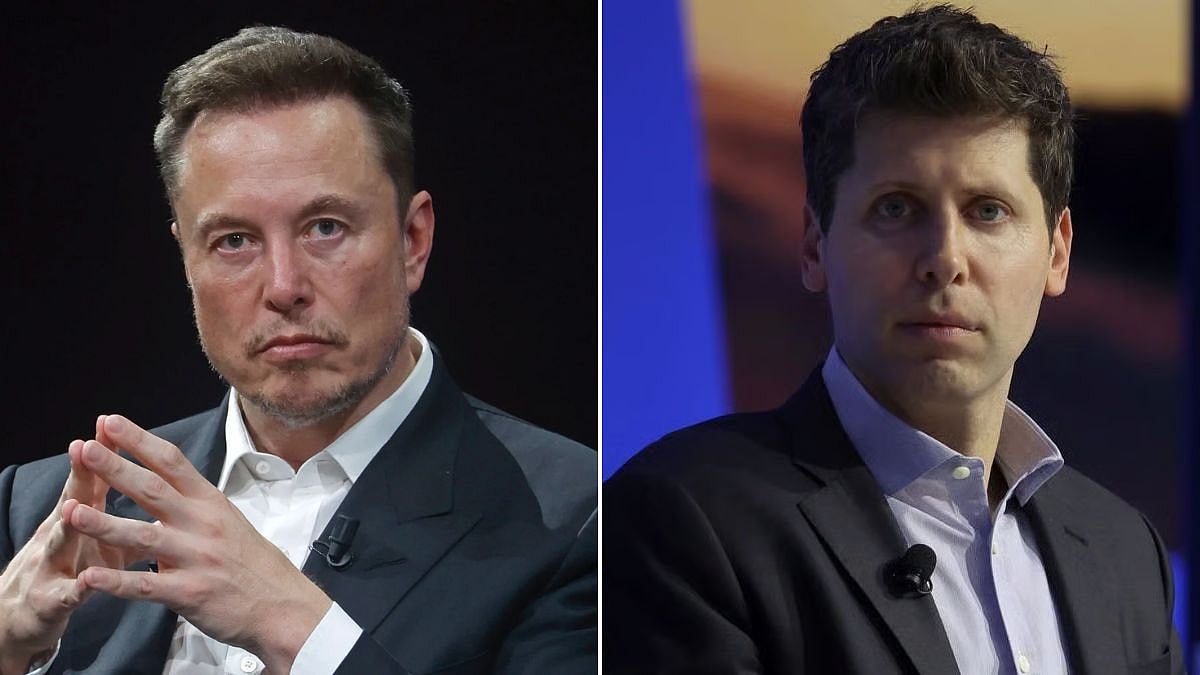
Musk announced he will appeal to the United States Court of Appeals for the Ninth Circuit, framing the case as one with consequences far beyond his personal dispute with OpenAI. "Creating a precedent to loot charities is incredibly destructive to charitable giving in America," he wrote. "OpenAI was founded to benefit all of humanity."
The jury's advisory verdict came swiftly, deliberations lasted under two hours, and US District Judge Yvonne Gonzalez Rogers accepted it immediately, formally dismissing all of Musk's claims. The core finding was not that OpenAI acted lawfully, but that Musk had waited too long to sue.
OpenAI had argued that the statute of limitations, three years for a breach of charitable trust claim, two for unjust enrichment, had already expired by the time Musk filed suit in 2024. The jury agreed.
Musk had argued during trial that he only came to understand the full extent of OpenAI's transformation in 2023, when it became clear to him the company had shifted from its nonprofit roots toward enriching executives and outside investors. OpenAI countered that Musk should have known far earlier given his proximity to the company's inner workings in its formative years.

OpenAI calls it 'a hypocritical attempt to sabotage a competitor'
Outside the courthouse, OpenAI's lead attorney William Savitt pulled no punches. "The finding of the jury confirms that what this lawsuit was was a hypocritical attempt to sabotage a competitor and to overcome a long history of very bad predictions about what OpenAI has been and what it will become," he told reporters.
OpenAI and Altman had maintained throughout the trial that Musk's motivations were less altruistic than advertised, specifically, that his 2023 launch of xAI, now part of SpaceX and preparing for a potentially record-breaking IPO, made him a direct commercial rival with every incentive to wound the company in court.
"Mr. Musk may have the Midas touch in some areas," Savitt told the jury in closing arguments, "but not in AI."
What Musk was seeking with the lawsuit
The stakes were enormous. Musk had sought $150 billion in damages, the removal of Altman from OpenAI's leadership, and a forced unwinding of the company's 2025 restructuring, which converted its for-profit subsidiary into a public benefit corporation. A decision in his favor could have paralyzed a company valued at $852 billion and derailed what is expected to be one of the largest technology IPOs in history.
Wedbush Securities analyst Dan Ives called the verdict a relief for the broader AI sector. "The biggest focus of the trial around whether OpenAI broke its charitable mission when they spun off its for-profit arm is now mostly alleviated as it takes a worst-case scenario off the table," he said.
Microsoft, which has invested more than $100 billion in OpenAI since 2019, also welcomed the outcome, with a spokesperson saying the company was pleased the jury dismissed the claims as untimely.

