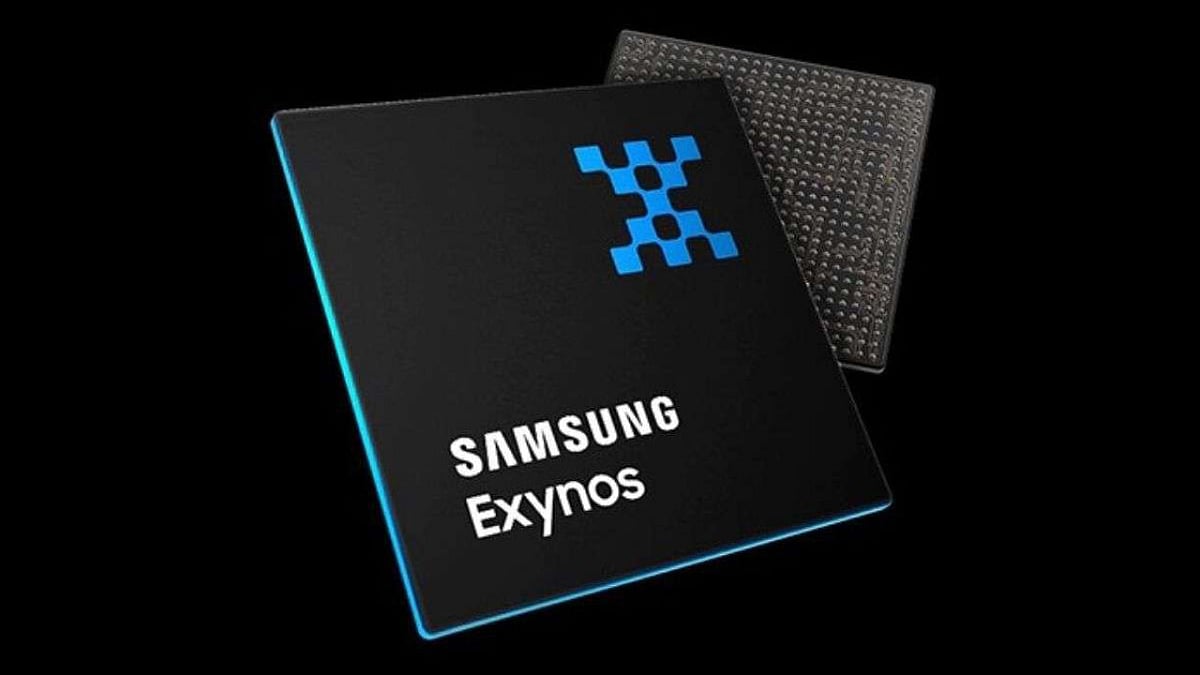
New Delhi: Samsung is all set to launch a new Exynos chipset on January 12, just two days before the supposed launch date for the Galaxy S21 series.
Famed tipster Ice Universe, who has previously been proven right on leaks regarding Samsung, Xiaomi as well as Apple claimed that the new SoC will be called the Exynos 2100.
The new SoC is expected to power the upcoming Galaxy S21 series in Asia, European regions and other usual regions. Regions like the US, China and South Korea would normally be expected to get Qualcomm's top chipset, which in this case means Snapdragon 888.
The upcoming Exynos 2100 will be based on the 5nm manufacturing process, just like the Qualcomm Snapdragon 888 processor and Apple's A14 SoC. To recall, Samsung's older Exynos 990 SoC was based on the 7nm process and it faced a number of thermal throttling issues.
It is said to feature an octa-core CPU with an ultra-high performance core clocking in at 2.9GHz (possibly ARM's new Cortex-X1 microarchitecture), flanked by three more high-end cores at 2.8GHz (ARM's Cortex-A78) and four smaller cores running at 2.4GHz. It'll include a 5G modem as standard. GPU comes from ARM's Mali-G78 GPU.


