
OpenAI chief executive Sam Altman has said a future version of ChatGPT could continuously monitor a user's computer activity, meetings and conversations, offering real-time assistance based on that context. He expects such a system to become genuinely useful within the next six months.
AI assistant to work alongside users
Speaking in an interview with Cory Levy, founder of Z Fellows, Altman described what he called an evolved version of ChatGPT that would be able to observe a user's screen, sit in on meetings and calls, and retain that information continuously. The goal, he said, is for the assistant to build an ongoing understanding of a person's work so it can step in with relevant help without needing to be briefed from scratch each time. He added that users would also be able to link services such as email, messaging apps and Slack to the assistant.
Altman acknowledged that such constant monitoring could raise concerns around surveillance, but said the system would be built so that users retain control over what the AI is permitted to access. Rather than the AI making autonomous decisions, it would function as a collaborator, drawing on accumulated context to make suggestions or handle smaller tasks on the user's behalf.
Assistant meant to fill information gaps
Altman gave the example of drafting a sales pitch, where the assistant could pull in customer history and prior conversations to suggest edits, or flag potential errors while a user is working on a strategy document. He said the broader aim is to give people, particularly those juggling large amounts of information, an extra layer of support.
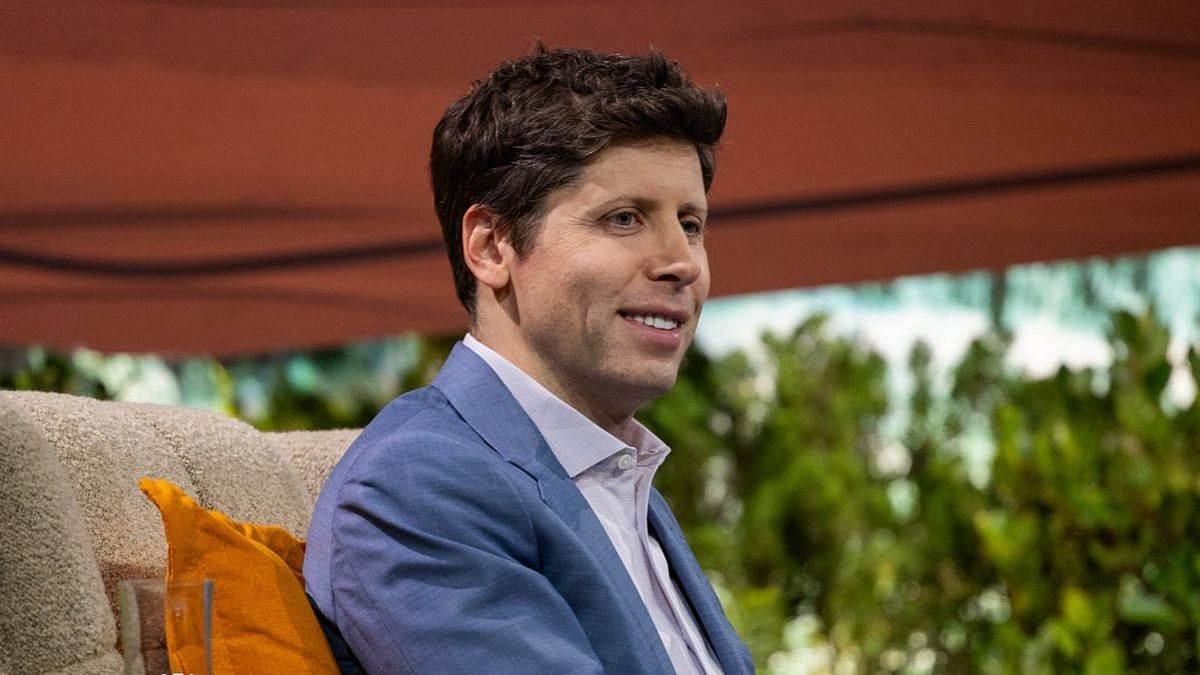
He pointed to startup founders as an example of users who could benefit, noting that the volume of tasks and context involved in running a company often exceeds what one person can track manually.
OpenAI already testing narrower version
The remarks follow OpenAI's recent rollout of a feature called Computer History for the ChatGPT desktop app on Mac. The feature lets ChatGPT track a user's activity across selected apps and websites to build additional context, using macOS accessibility data such as clicks, typing, keyboard shortcuts and app-switching, rather than screenshots.
Users must enable Computer History themselves, choose which apps and websites contribute to it, and can pause data collection or delete stored activity at any time.
Altman's comments suggest OpenAI sees Computer History as an early step toward a considerably broader system. When asked when such an assistant might become practically useful, he said his estimate was 'sometime in the next six months'.

