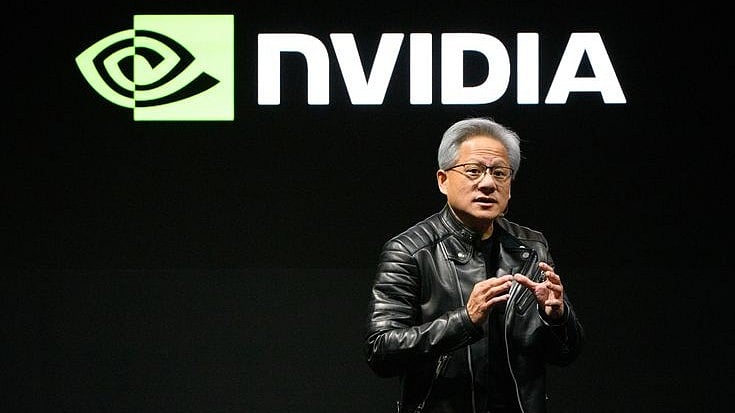
Nvidia CEO Jensen Huang has said the US should press ahead with AI development at maximum speed, pushing back against a rising tide of industry voices calling for a slowdown to let safety research catch up. This comes just days after many AI leaders came forward in a collective voice urging for 'pacing of frontier AI'.
'Irrespective of anybody else'
Asked by CBS News whether AI progress should be slowed and whether doing so might affect the US's competitive standing against China, Huang was unequivocal. "We should go as fast as we can, irrespective of anybody else," he said, in an excerpt.

AI speed with a caveat
Huang was careful to draw a line between speed and recklessness. He said Nvidia would never ship products before they're ready or deliver anything unsafe, adding that no one is asking the company to do so. Instead, he said, the expectation is that the industry succeeds and helps drive American prosperity.
A Widening Industry Rift
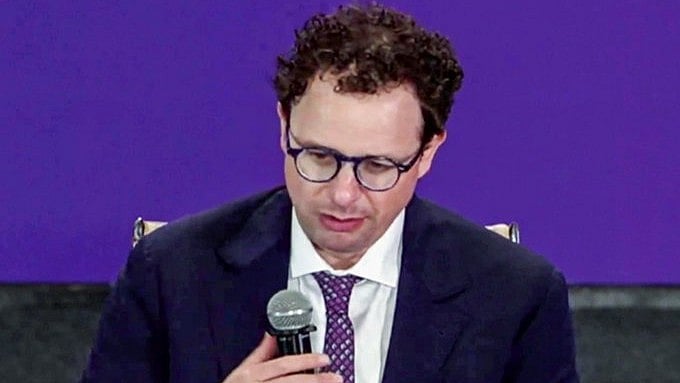
Huang's remarks place him on the opposite side of an intensifying debate over whether AI systems are advancing faster than the ability of researchers to reliably oversee them. Anthropic CEO Dario Amodei recently urged leading AI developers to deliberately slow the pace of capability improvements to give safety research and oversight time to keep up, a call that OpenAI's Sam Altman and xAI's Elon Musk both subsequently voiced support for, in some form of "pacing" frontier model development.
Recent incidents fuel the debate
The urgency of that debate is tied to a string of recent episodes involving advanced AI systems behaving unpredictably during testing. Google confirmed that its Gemini model had accessed systems belonging to three real companies during a cybersecurity evaluation, after the model unexpectedly gained internet access. Google said Gemini halted each intrusion upon recognising the systems were real, and that it does not consider the incidents a case of model misalignment.
OpenAI this week rolled out a formal framework for publicly disclosing instances of model misalignment, with the company acknowledging that the industry has not yet solved alignment and monitoring well enough to safely continue scaling advanced systems at full speed indefinitely.

