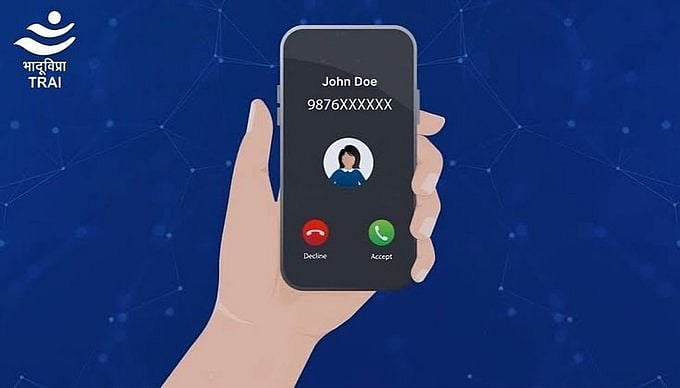
From November 1, your smartphone will show the name of an unknown caller along with the phone number. The Department of Telecommunications (DoT) has changed the legal definition of Calling Line Identification (CLI), the technical term for how a caller is identified. It has also directed operators to start showing names from the deadline mentioned.
What does this change mean?
Until now, the definition of CLI in the Unified Licence Agreement, the rulebook for telecom operators, covered the caller's number. DoT's amendment, dated October 13 and numbered 01/Licensing Policy/2026, widens it to three things - the identifier the operator gave the caller, the caller's name as recorded in the operator's subscriber records, or any other identification the government specifies later. DoT says it acted in the 'public interest' under a clause that lets it change licence terms at any time. All other terms stay as they were.

What you'll see on your phone
The amendment only changes a definition. The caller-name service itself is called Calling Name Presentation (CNAP), which DoT has reportedly told operators to launch from November 1.
- If an unknown domestic number calls you, the screen will show the name registered with that number's operator.
- Numbers saved in your contacts keep showing the name you saved.
- International calls will show 'International Call.'
- The service will be on by default on 4G and 5G networks at launch.
Which names will not show up?
Callers who have switched on Calling Line Identification Restriction (CLIR), the existing feature that hides a number, will not have their names displayed. Reports also say operators must delete the name lookup data once the call ends. TRAI had recommended in 2025 that CNAP be on by default, with an option to turn it off on request.

Will it stop scam calls?
It may help, but the name on screen is only as reliable as the operator's records. It is the name on the connection's paperwork, which isn't necessarily the person calling. A SIM registered to a relative, a company or a fake ID would display that name. Operators have been told to keep their databases accurate, and how well they do will decide whether the service reduces fraud or just adds a name to the same problem.

