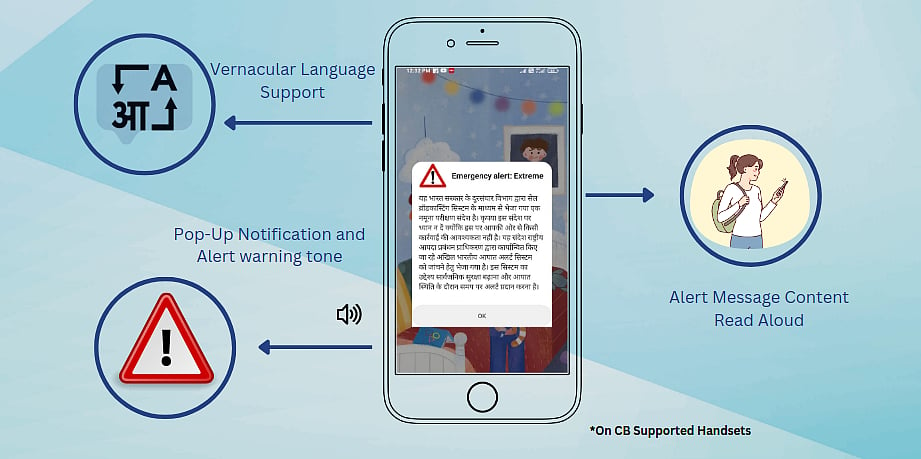
India's emergency broadcast system is reaching millions in seconds. But experts warn that overuse could erode the very trust it depends on. In the recent times, phones have erupted with a siren alerting about thunderstorms across the country.
Across Delhi-NCR, this has become a familiar ritual. Alerts arriving during office meetings, late nights, and unremarkable afternoons when the sky outside is clear. The warnings are real, but the emergencies often are not.
The Technology Behind the Warning
The system doing the alerting is called Cell Broadcast, a technology at the core of India's SACHET disaster alert network, developed by the National Disaster Management Authority (NDMA), the Department of Telecommunications (DoT) and the Centre for Development of Telematics (C-DOT).
Unlike a text message, Cell Broadcast pushes alerts simultaneously to every mobile phone connected to cell towers within a defined geographic area, no internet required. During earthquakes, cyclones, or floods, it can reach millions within seconds, even when networks are overwhelmed.
Experts widely consider it a landmark leap in India's disaster preparedness.
So what's the problem?
Routine weather advisories are now arriving through the same channel, at the same volume, with the same urgency, as a life-threatening emergency warning. The result is alert fatigue.
Experts warn that these technologies should be used judiciously, and definitely not frequently. The focus should not be to send more alerts, but to send the right alert at the right time.
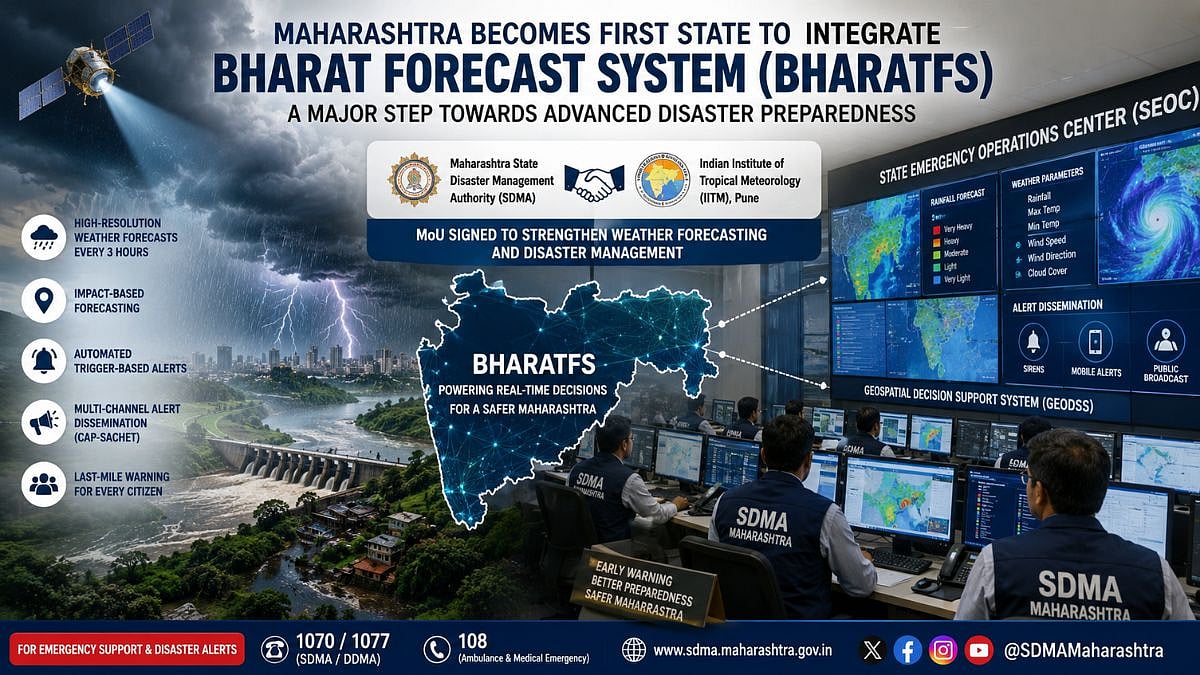
IMD's defence
The India Meteorological Department pushes back. CS Patil, a scientist at IMD, told NDTV that alerts are issued at the district level and cannot be narrowed to a 5-kilometre pocket. Weather, he noted, varies sharply across short distances.
Experts also warns that these warnings need a clear hierarchy. They need to be segregated into categories like advisories, emergency warnings, and informational notices. Each warning needs a separate delivery mode and a distinct urgency level as well. If users start getting annoyed with day-to-day alerts, then they may avoid an alert that actually requires urgent intervention.

