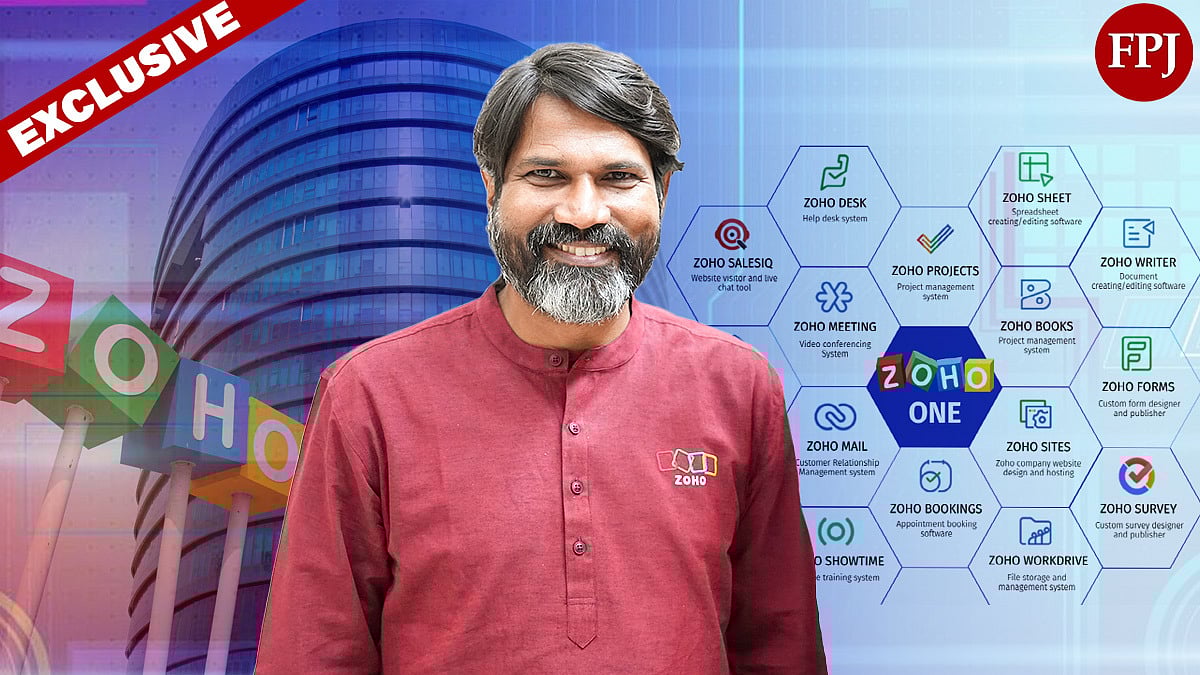
In India's tech renaissance, Zoho is one of the few home-grown brands challenging giants like Microsoft on the global stage. Bootstrapped and debt-free, Zoho serves over 130 million users with 55+ integrated apps, driving strong growth towards $1.5 billion revenue. Amid the government's Swadeshi push for self-reliance, ministries are adopting Zoho's privacy-first tools, including migrating central employee emails, bolstering national digital sovereignty. Free Press Journal's Tech Editor Tasneem Kanchwala spoke to Zoho CEO Mani Vembu on his journey leading India's bootstrapped tech powerhouse, his views on frugality, privacy-first innovation with Arattai, rural talent empowerment, and sustainable growth in a hype-driven industry.
FPJ: You joined Zoho at 20 as a developer during its AdventNet days in 1996, witnessing the pivot to SaaS in 2005 firsthand—what's one 'frugal lesson' from those early, resource-strapped years, like hacking network tools on a shoestring budget, that you've carried into your CEO role, and how has it fueled Zoho's debt-free path to 130+ million subscribers without chasing VC hype?
Mani Vembu: We have survived multiple disruptions, from the dot com bust to the 2008 GFC. One of the first lessons we learnt as a young company was to focus on solving end to end. We went from being a network management company selling to Telecom OEM's to serving enterprise IT (with ManageEngine) and then cloud applications (with Zoho). Our focus has been global from the start.
From the start, we focus on keeping our input costs low. We follow the same even now and invest in R&D where the input costs are high. That is why we built our technology stack ground up instead of hosting in public cloud as that adds to the input cost.
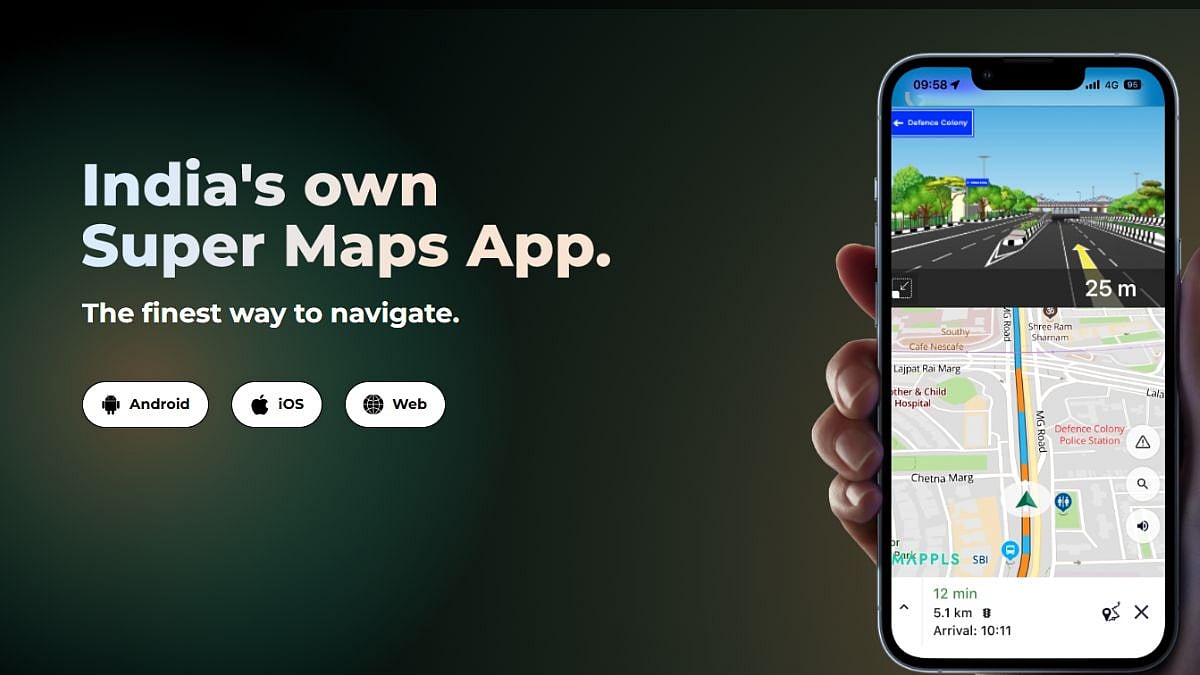
FPJ: In your recent Forbes India chat, you highlighted steady, rooted growth over flash—what pivotal moment in Zoho's evolution, perhaps during the 2008 recession when you were scaling product management, convinced you that frugality and "learning by doing" could build a $1.5 billion giant rivaling Microsoft and Salesforce, and how does that shape decisions today?
Mani Vembu: Early on, we learned that markets evolve and consolidate over time. That insight shaped our approach at ManageEngine and Zoho, where we focused on investing in R&D and building products across business functions rather than chasing faster growth through sales and marketing alone.
FPJ: Arattai surged 100X in sign-ups this September amid India's indigenous tech calls, but faced ranking dips by October. In your recent interview, you envisioned it as a privacy-first super-app India desperately needs—what bold risks, like the Android TV integration ahead of Signal, did you greenlight as CEO, and with end-to-end encryption launching soon, what's the "next level" feature to sustain that momentum?
Mani Vembu: As a company, we have always been privacy focussed, and had a privacy policy promising our customers that we will never sell their data or become an ad-monetisation company long before there was any law around it. Arattai, as a product from Zoho, naturally follows privacy. E2EE is already live in one-to-one chats, and will soon be there for groups as well. We are implementing protection from exposure of phone numbers on groups. We are empowering our users with the control over whom to chat with other verified users or just family members and friends. We are also giving the option of sharing only usernames to connect on Arattai instead of phone numbers.
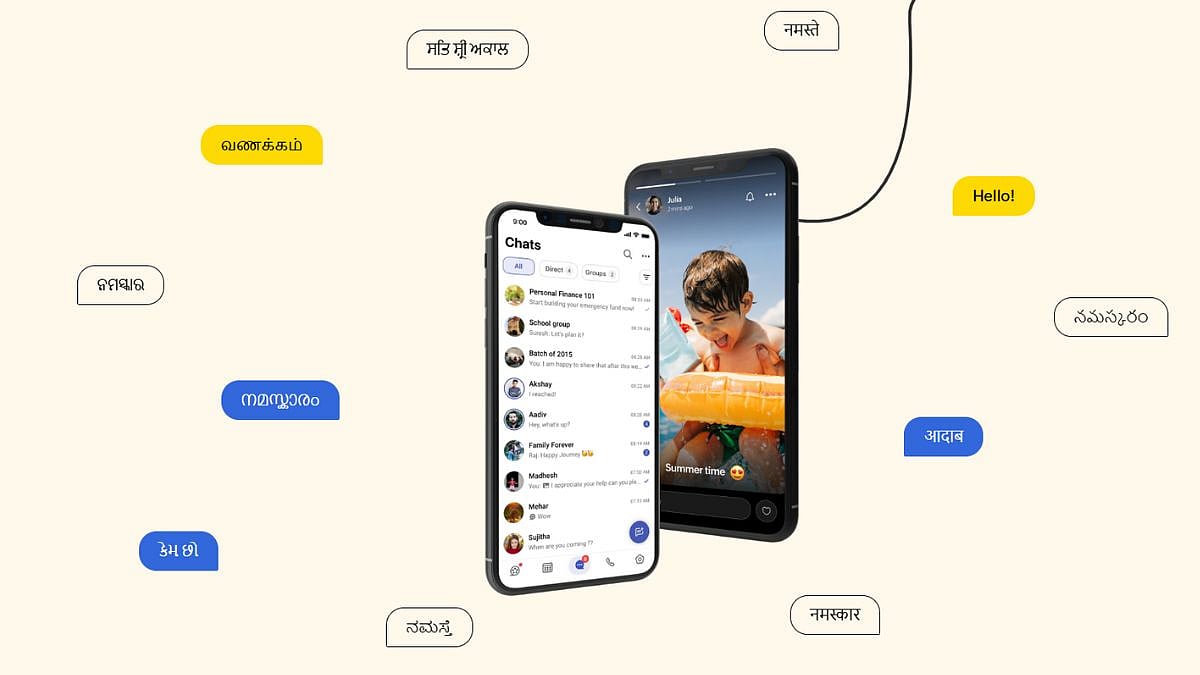
We want to make Arattai a communication app that people actually use. That is why Android TV integration, as a means of connecting family members during special events, was added. We have a 'pocket' section feature that allows users to share photos, videos, documents in their own personal storage space. We identified the specific pain points of our users and are fortifying Arattai with features that would help solve them.
Eventually, Arattai will become a platform on which others can build as well, creating an ecosystem.
FPJ: Also, do you think Arattai can cripple WhatsApp domination and convert users to switch? When is end-to-end encryption launching for Arattai?
Mani Vembu: We rolled out end-to-end encryption for personal chats on Arattai in November. We believe that users should have a choice on what they want to use, and that one should be able to send messages between different apps (the way emails work). The Arattai team also closely listens to feedback and implements necessary improvements to enhance user experience. There is a demand for apps like Arattai that were built specifically for Indian users. Our focus is not on crippling WhatsApp. It's making Arattai secure, better and more useful to users.
Your emphasis on rural innovation, like Tenkasi's talent pipelines, aligns with Arattai's self-reliance ethos. As Zoho reinvests profits how do you balance global reach—serving 150+ countries—while delivering on the "Made in India" vow to create jobs and skills in underserved areas?
Across multiple countries, we are expanding our operations by hiring local talent. The local talent will take care of all customer-facing functions while the local talent in India focus on technology and R&D. Rural India has a rich pool of young and ambitious talent; we are simply providing them the opportunity. At Zoho, we believe world-class products can be built from any part of the world. Our solutions may be built in India, but we have been making a mark in the global market for decades. We have customers in over 150 countries. To maintain relevancy for our customers, we have over 16 data centres globally, and over 80 offices worldwide for which we hire and train local talent to serve local customers.

We follow 'transnational localism', a strategy of being locally rooted while staying globally connected. In other countries, we are also compliant with local regulations such as GDPR in Europe. We have launched country-specific, local tax-compliant editions of our accounting software, Zoho Books in many countries, added local language support in non-English speaking countries, integrated with local payment gateways etc in order to provide better service to our customers.
FPJ: Zoho's 18,000+ employees now power 55+ apps for 130 million users, yet your "no public leader praise" policy keeps egos grounded. In your recent talk, you stressed passion driving productivity over long hours—with Glassdoor ratings at 4.1/5 for work-life balance—how does this decentralized, strength-focused culture help attract and retain talent in 2025's hybrid era?
Mani Vembu: Internally, our focus is on customer feedback. Decentralisation enables faster decision making, and also urges people to take ownership of what they are doing. By empowering people at teams-level, we gain agility as an organisation. We encourage open conversation across various topics within the organisation so that ideas are free flowing. We foster an environment where our employees are free to take creative risks and experiment with new ideas, and they are not penalised if they fail after having given it their all. That is the nature of R&D-- some experiments work, some fail. But there are learnings in both cases. Over time, that experience accumulates and it helps us grow faster. Most of the senior leadership stayed with us for more than 20 years, and that is the core strength of the organisation as that is what helps us in building products across different domains.
FPJ: You've pushed back on the "trillion-dollar AI bubble" in interviews, favouring Zoho's measured Zia LLM for enterprises while growing SMBs 40% YoY. With Arattai as a super-app bet, what contrarian future play—like deeper rural decentralization or privacy tools for India's digital economy—fires you up most, and how will frugality steer it?
Mani Vembu: We are looking to further strengthen our technology stack in order to be prepared for the way AI is changing the tech landscape. We are also training more LLM models, building medium-sized and smaller models as well so that AI usage can be optimised. We will also focus on serving various industry verticals. R&D doesn't cost much and so we are continuously experimenting with new ideas in Arattai.
FPJ: From developer to CEO, your rise embodies Zoho's "sustainable growth" mantra, staying private to dodge quarterly pressures as you shared on Instagram. As we hit November 2025, what "legacy" do you aim to craft—not just in tech dominance, but in inspiring India's next wave of builders through talent creation and self-reliant innovation?
Mani Vembu: Businesses should believe that there are multiple ways to build a successful business and sustain in the market. Businesses should also invest in building new talent pool as there is lot of talent available in India. A good opportunity with time to learn will help identify more talent. We strongly believe human capital is invaluable compared to financial capital and utilising that capital well is important for long term sustainability. Decentralised way of operations encourages the spirit of ideation and experimentation.
FPJ: With India on the crux of an AI boom, what do you advice budding startup founders to ensure that India becomes a leader in the future tech space, and not a follower?
Mani Vembu: Building deep tech takes time. Have short-term goals while the focus should remain on the long term to keep the pace of execution. It is okay to fail but it is imperative to learn from our failures and keep experimenting. R&D is iterative, and you get better with time.
FPJ: Can you give us some data to help us understand how much Zoho has grown in the last five years? Also, where do you see Zoho in the next ten years?
Mani Vembu: Zoho grew by 32% year-on-year in 2024 in India, and we have been seeing steady growth around the world. We are seeing high growth in regions like MEA and LatAm, as there is digitalisation push in these regions from governments as well.
FPJ: What are your thoughts on the current layoffs in the tech industry? What do you advice the next generation with respect to skillsets and what they should educate themselves in, to stay ahead of the curve?
Mani Vembu: Current layoffs are the result of over hiring. It's important to be cautious in hiring to avoid layoffs. Learning by doing and constantly trying new experiments to challenge the status quo is important to gain confidence and stay relevant. While it is important to stay updated on AI, it is also essential to know where AI is being used. Keeping an open mind while experimenting helps in validating assumptions and get deeper in our understanding.

