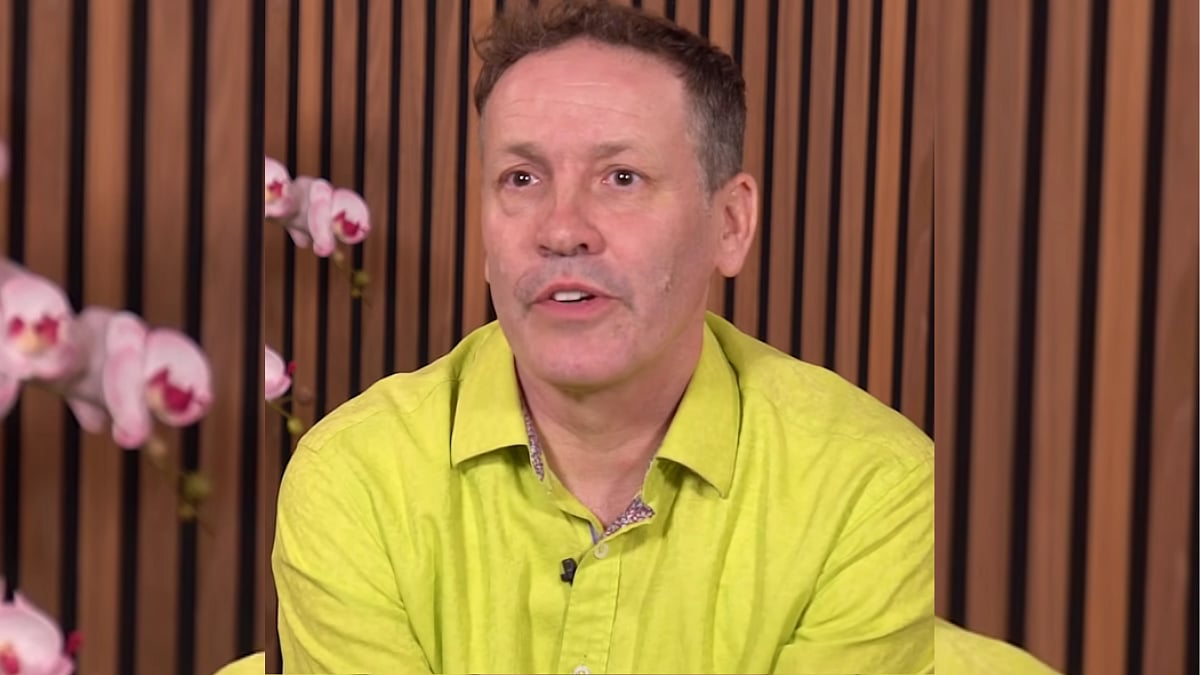
The founder of Google's trust and safety team has called for AI development to be slowed down, cautioning that the tech industry risks repeating the mistakes of the social media era with even more severe consequences for children. Tom Siegel, who previously served as Google's vice president of trust and safety, said the industry cannot be trusted to self-regulate on this issue, arguing that outside intervention is needed to prevent serious harm to young users.
His warning comes as social media firms continue to face lawsuits and regulatory scrutiny over harm to minors, even as AI development moves ahead largely unchecked by comparable rules. Reuters had previously reported that an internal Meta document acknowledged its chatbots could engage children in romantic or sensual conversations, a disclosure that triggered a congressional inquiry.
A new role at a children's safety institute
Siegel announced this week that he has joined Common Sense Media, a children's online advocacy organisation founded in 2003, as the first executive director of its Youth AI Safety Institute. The institute, launched in May, was set up to study how children use AI and is backed by both Anthropic and the OpenAI Foundation, the nonprofit that controls OpenAI.
Siegel left Google in 2019 after concluding the industry had stalled in building safe online spaces for users, and went on to co-found TrustLab, a startup focused on safety-detection tools, before stepping down as its CEO this month to take up the new post. In his new role, he said he intends to work with AI companies and third-party groups to develop accountability standards for the industry.
From cognitive offloading to psychosis
Siegel said AI companies are deploying new features to children without adequate safeguards in place, pointing to risks that include suicide, psychosis, and cognitive offloading - a decline in critical thinking linked to over-reliance on AI for answers. He described the potential scale of harm in stark terms, saying the situation could lead to what he called 'severe scenarios' of harm to young users.
He suggested some fixes could be implemented quickly, such as stronger age-verification systems at companies like Anthropic and OpenAI to keep minors off their chatbots, and a simple toggle at Google to disable AI Overviews and AI Mode in search, similar to existing filters for explicit content. Siegel argued that while such steps could dent short-term usage or revenue, companies that fail to act risk facing costlier lawsuits and regulation later on.
What comes next
At Common Sense Media, Siegel said one of his early priorities will be building independent testing standards for publicly available AI tools, comparable to crash testing for cars. He acknowledged that the success of this effort will hinge on how willing AI companies are to cooperate with outside scrutiny, something he said is far from guaranteed, but promising enough for him to take on the role.

