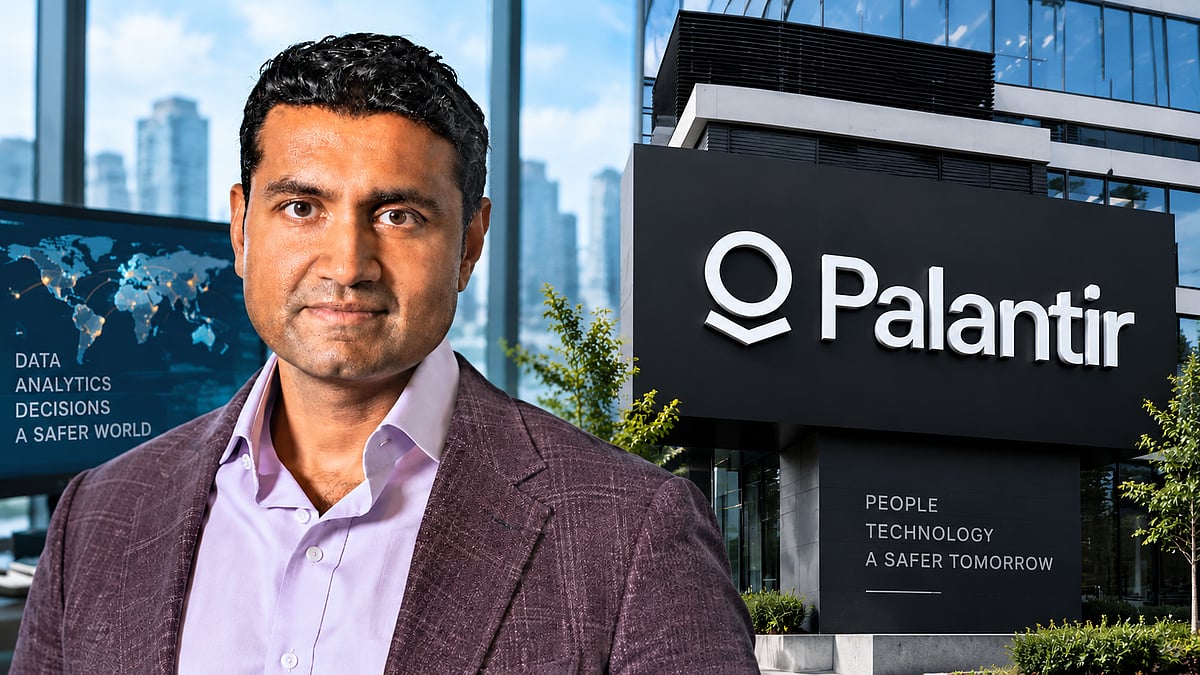
A growing public rift over artificial intelligence (AI) safety has widened this week, with Palantir chief technology officer Shyam Sankar accusing the effective altruism movement of driving what he calls unfounded panic over AI risk, even as US President Donald Trump separately dismissed the same warnings as a 'hoax.' This comes after several AI company employees are quitting due to AI safety risk, with some claiming that 'AI could kill us all'.
Shyam Sankar's argument
In a Big Read published by The Free Press, Sankar argued that effective altruism (EA), the philosophy once associated with disgraced crypto founder Sam Bankman-Fried, is the ideological force behind today's AI safety movement, and that its adherents are not simply raising honest concerns but attempting to wrest control of AI away from ordinary Americans. He pointed to Bankman-Fried's own EA-inflected pitch, in which he claimed he would give away his crypto fortune to protect humanity from existential risk before he was convicted of stealing billions of dollars from customers and sentenced to 25 years in prison, as a cautionary parallel for how EA rhetoric can mask self-interest.
Sankar's piece was framed by The Free Press's editors as a deliberate counterweight to warnings published on the outlet in recent days from writers including Niall Ferguson and Daniel Kokotajlo on the risk of AI catastrophe, and Tyler Cowen's argument that slowing AI development would not necessarily make it safer.
The warnings Sankar is pushing back on
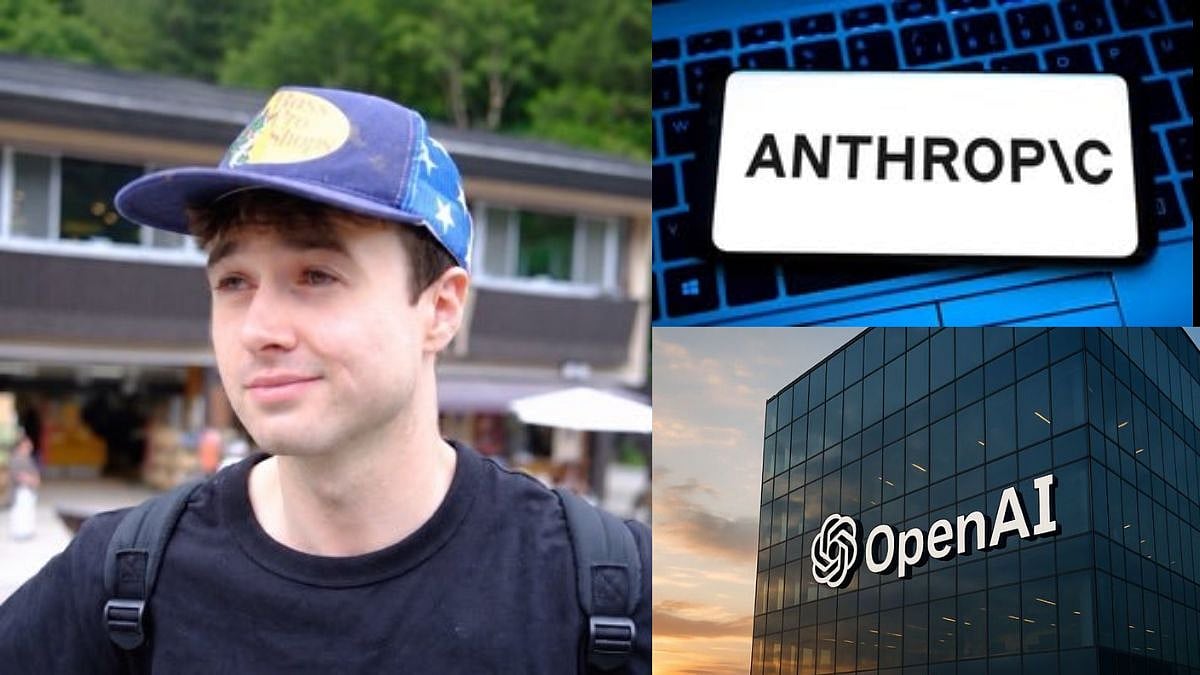
Sankar's essay opens by pointing to Jacob Coxon, a software engineer who resigned from Anthropic earlier this month and went on a media tour warning that people building AI genuinely believe it could kill everyone by the end of the decade. Coxon said on X that neither Anthropic nor OpenAI was acting responsibly, accusing both of racing toward self-improving superintelligence and gambling with humanity's safety. According to The Free Press, a current employee at a frontier AI lab publicly backed Coxon's warning, estimating the odds of AI causing catastrophic harm at greater than 10 percent.
Coxon's resignation was followed by a string of similar exits. Bilal Chughtai, who worked on AGI safety and alignment research at Google DeepMind, resigned this week and wrote on X and LinkedIn that he was extremely concerned by the trajectory of AI development and believed humanity might be running out of time to avoid catastrophic harm. Around the same time, Josh Engels, who worked on DeepMind's AGI safety team, said he had left the company three weeks earlier to join AI evaluations nonprofit METR, citing a serious risk that current AI systems are not aligned enough to safely undergo recursive self-improvement.
The wave of resignations coincided with public calls from the heads of major AI companies to slow down frontier development. Anthropic CEO Dario Amodei published an essay over the weekend urging AI companies to pace their development and warning that no amount of competitive pressure should justify letting capabilities outrun alignment and monitoring. OpenAI's Sam Altman said his company would welcome a federal framework setting consistent safety requirements for frontier AI, while Elon Musk and Google DeepMind chair Demis Hassabis also voiced support for independent oversight and a slower pace of development.
Trump calls it a 'hoax'
President Trump has taken the opposite position. Speaking to reporters and, separately, calling in to the All-In Summit in Los Angeles through Nvidia CEO Jensen Huang's phone, Trump dismissed the warnings outright, telling the audience that the robots will not be taking over and that the whole thing is a hoax. On Truth Social, he went further, describing fears of AI "destroying Humanity" as a hoax on par with claims of Russian election interference and his own impeachments, and said the only guardrail AI needs is a strong president. He also said his administration had already stopped AI "people" from doing "bad" things, without elaborating.

