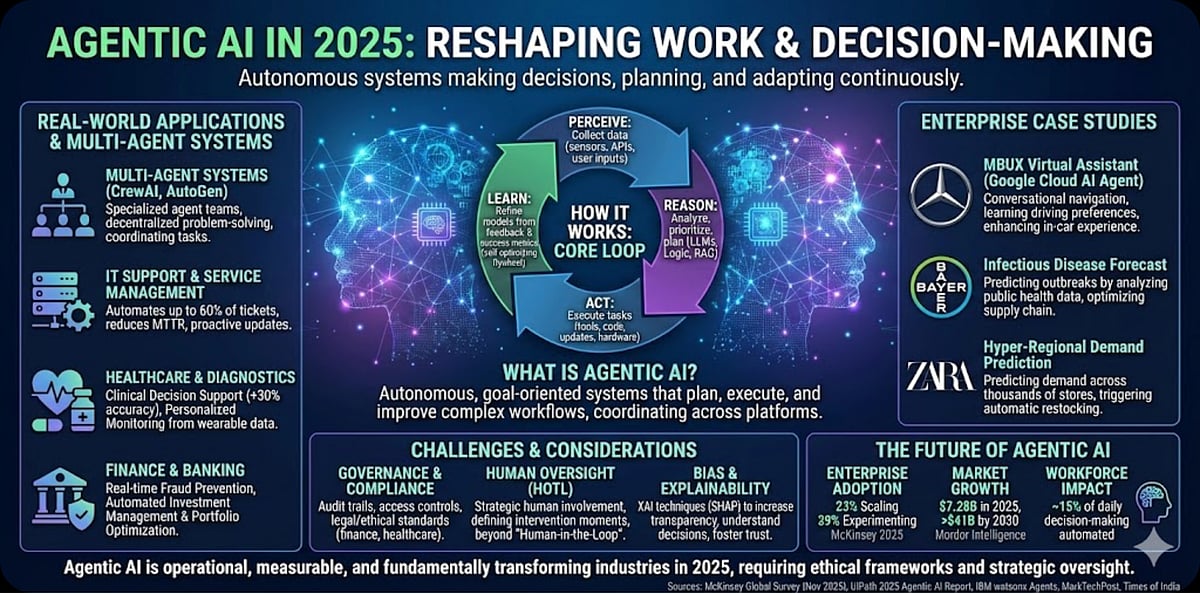
Agentic AI marks a major evolution in artificial intelligence, moving beyond reactive tools to autonomous systems that can make decisions, plan complex tasks, and continuously adapt without human oversight. Unlike earlier AI, which followed fixed instructions or responded only when prompted, agentic systems perceive their environment, reason through complex options, take decisive action, and continuously learn from the outcomes.
These intelligent agents are no longer science fiction; they are already reshaping industries in 2025. This article explores:
● What defines Agentic AI
● Key real-world applications and the rise of Multi-Agent Systems
● Notable enterprise case studies
● Challenges, ethical considerations, and the path forward
What Is Agentic AI?
Agentic AI refers to AI systems defined by their goal-oriented, autonomous behavior. They can plan, execute, and improve on complex workflows, often coordinating across multiple software tools, platforms, or teams. These agents are not just content creators or chat interfaces, they are sophisticated decision-makers, troubleshooters, and problem-solvers.
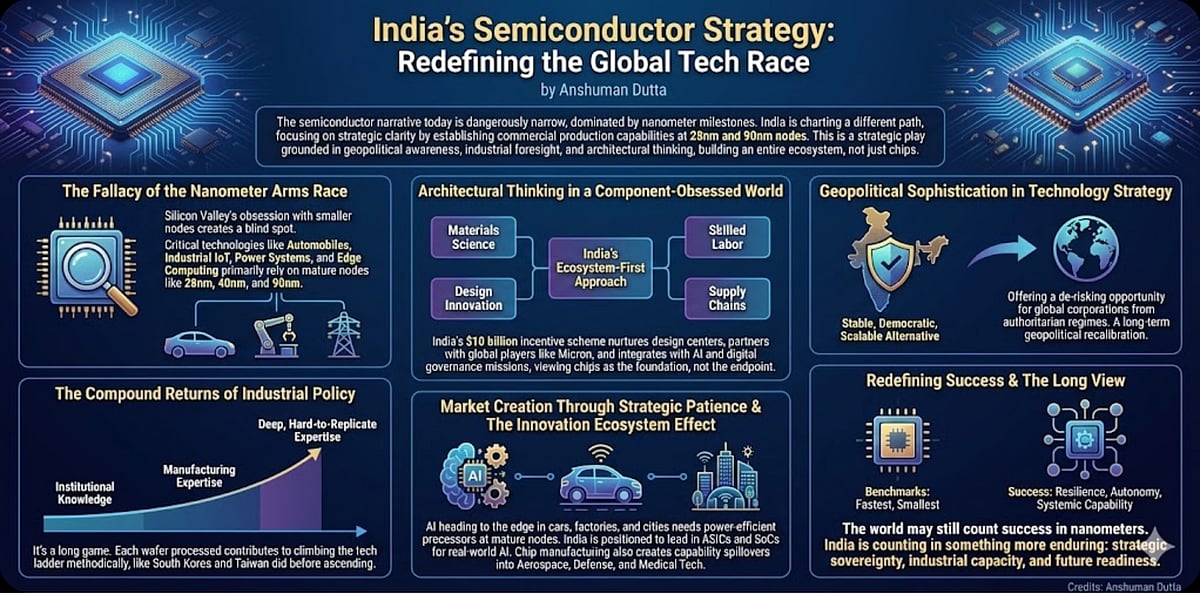
How It Works: The Core Loop
Agentic AI systems operate through a dynamic, self-improving loop:
Perceive: Collects and processes data from APIs, databases, sensors, or user inputs to establish context and environmental conditions.
Reason: Utilizes logic and large language models (LLMs) to analyze the perceived data, prioritize objectives, and formulate a multi-step plan of action. For high-stakes tasks, this phase often integrates
Retrieval-Augmented Generation (RAG) to ground reasoning in verified, real-time enterprise data, mitigating the risk of factual errors.
Act: Executes tasks autonomously by calling external tools, running code, sending messages, updating records, or interacting with hardware.
Learn: Uses feedback and success metrics from completed actions to refine its decision models and planning efficiency, creating a powerful, self-optimizing data flywheel effect.
Example: A modern customer service AI doesn't just answer FAQs. It can detect a delivery issue by querying logistics systems, autonomously initiate a refund through the finance API, update the customer’s record, and instantly learn how to resolve similar cases even faster next time, all without human interaction.
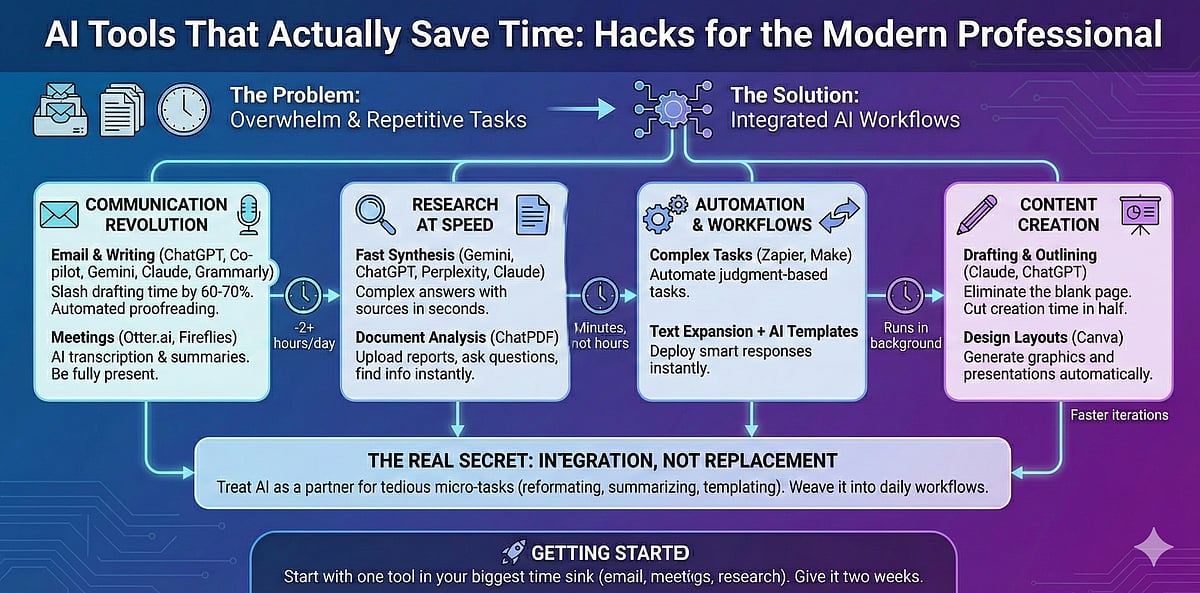
Real-World Applications of Agentic AI in 2025
Agentic AI systems are transforming key sectors, spearheaded by the trend of Multi-Agent Systems and Coordination.
Leveraging frameworks like CrewAI and AutoGen, enterprises now deploy teams of specialized agents that negotiate, delegate sub-tasks, and monitor each other's outputs across functions, showcasing a clear path to decentralized problem-solving.
This innovation is strongly visible in IT Support and Service Management, where agents handle up to 60% of routine IT tickets, dramatically reducing Mean Time to Resolution (MTTR), and proactively apply system updates before human teams detect failures.
In Healthcare and Diagnostics, agents enhance patient care by utilizing Clinical Decision Support to improve diagnostic accuracy by up to 30%, and by interpreting wearable data for Personalized Monitoring.
The Finance and Banking sector benefits immensely from Real-Time Fraud Prevention, where AI accurately flags and blocks suspicious activity, alongside sophisticated Investment Management where autonomous agents optimize and rebalance client portfolios based on global market analysis.
These applications demonstrate the pervasive shift toward autonomous, goal-oriented decision-making across the modern enterprise.
Enterprise Case Studies
Several leading enterprises are showcasing the power of Agentic AI. Mercedes-Benz has integrated Google Cloud’s AI Agent into its MBUX Virtual Assistant, enabling conversational navigation and learning user driving preferences, which enhances the in-car experience and customer loyalty. In pharmaceuticals, Bayer utilizes Agentic AI to forecast infectious disease outbreaks, like the flu, by analyzing public health data and weather patterns, leading to highly optimized supply chain planning.
Similarly, in retail, Zara uses AI agents to predict hyper-regional demand fluctuations across thousands of stores, automatically triggering inventory restocking and distribution changes, which ultimately improves operational efficiency and reduces global excess stock.
Challenges and Considerations
Despite the clear benefits, the rapid adoption of agentic AI necessitates careful governance and a redefined approach to human oversight.
1. Governance and Compliance
The complexity of autonomous action makes governance a top priority. Enterprises must deploy agents that embed audit trails and access controls (as seen with tools like IBM watsonx Agents) to ensure that decision-making aligns with legal, ethical, and regulatory standards, especially in finance and healthcare.
2. Human Oversight: Moving Beyond "Human-in-the-Loop"
In high-stakes domains, human involvement remains critical. However, the executive conversation is shifting away from the vague term "human-in-the-loop" (HITL). Leaders increasingly advocate for a more specific Human-On-the-Loop (HOTL) strategy that defines the exact moment, scope, and expertise required for human intervention, ensuring that human judgment is applied strategically, rather than just acting as a simple, error-prone safety net.
3. Bias and Explainability
Agentic AI systems can inherit and amplify biases present in their training data. Explainable AI (XAI) techniques, such as SHAP (Shapley Additive Explanations), are vital to increase transparency by helping teams understand why an agent made a specific decision, fostering trust and accountability.
Looking Ahead: The Future of Agentic AI
The adoption curve is steep, and the market trajectory is aggressive:
Enterprise Penetration: According to a McKinsey November 2025 survey, 23% of organizations are currently scaling an agentic AI system in production, with an additional 39% experimenting with proofs-of-concept. This signals the technology has moved firmly out of the pilot phase.
Market Growth: The global Agentic AI market is projected to reach $7.28 billion by 2025, growing to over $41 billion by 2030 as per Mordor Intelligence.
Workforce Impact: Agents are expected to automate up to 15% of daily decision-making tasks across the knowledge worker segment, freeing up human capacity for strategic work, creativity, and customer-facing interactions.
Future frontiers will see deeper integration with physical systems (robotics, drones, autonomous vehicles) and increasingly sophisticated multi-agent ecosystems that negotiate, trade, and collaborate across entire value chains.
Conclusion
Agentic AI is no longer a theoretical concept; it is operational, measurable, and fundamentally changing how industries work in 2025. By transforming customer service, optimizing supply chains, and rethinking diagnostics, autonomous AI agents are delivering significant and quantifiable business value.
As adoption scales, organizations must prioritize ethical frameworks, clear strategic oversight (HOTL), and human-centric design to ensure these powerful systems remain both trustworthy and beneficial.
Anshuman Dutta is a writer and marketing strategist focused on technology, identity, and Northeast India; volunteer mentor supporting students through Xomidhan.

