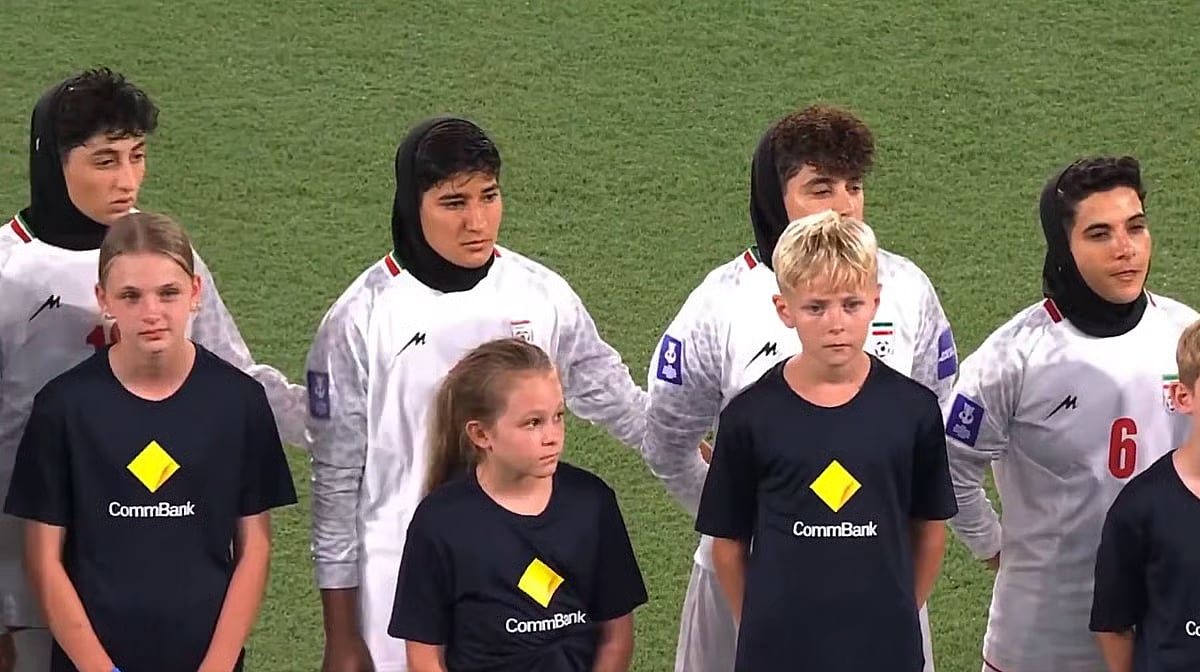
Three members of the Iran women's national football team who had earlier accepted humanitarian visas in Australia have decided to return home, reversing their initial decision to seek asylum after competing in the AFC Women's Asian Cup 2026. The development comes days after several players sought protection amid fears of retaliation if they returned to Iran.
The Iranian squad had traveled to Australia for the continental tournament when a controversy erupted after some players refused to sing the national anthem before a match. The gesture raised concerns about possible consequences from authorities back home and prompted calls from activists and international figures for the athletes to receive protection.
Following the incident, a group of players and a support staff member accepted humanitarian visas offered by the Australian government and were taken to a secure location. However, according to officials, three of those who initially agreed to remain in Australia later decided to change course and return to Iran to reunite with the rest of the team and their families.
Australian Home Affairs Minister Tony Burke said the players were repeatedly given opportunities to reconsider their decision and discuss the options available to them. Despite the offer of safety and protection, the athletes chose to leave Australia and travel to Kuala Lumpur to rejoin the national team before returning to Iran.
The situation has drawn global attention because of the risks athletes could face after publicly challenging state expectations. Iranian media described the players’ return as a victory against Western influence, while activists and members of the Iranian diaspora have expressed concerns that pressure or threats may have influenced the decision.
Viral Video Shows Iran Women's Football Team Making 'SOS' Signal From Bus After National Anthem Controversy At Asian Cup 2026
A viral video circulating online shows the Iran women’s national football team allegedly signaling ‘SOS’ from their bus during the AFC Women’s Asian Cup in Australia. The players were reportedly labelled “traitors” by Iranian state media following the match.
While the video shows concerned movements, there is no independent verification confirming that the SOS signal was intentional or the full context of the incident. The claims should therefore be treated with caution until confirmed by credible sources.
The controversy began when the Iranian players declined to sing the national anthem before their first game in Australia, a gesture widely interpreted as a silent protest against the Islamic Republic’s regime. In response, Iranian state media sharply criticised the team, branding them unpatriotic.
The footage has drawn global attention, highlighting fears for the players’ safety and sparking calls for protection and support from international observers and human rights advocates.
The situation highlights the complex intersection of sport, politics and human rights, with the unwavering support from crowds in Australia standing in stark contrast to the backlash the team has faced in their homeland.
