For decades, cricket has been India’s sporting and commercial superpower. But the country’s next major sports story may unfold beyond the boundary. From kabaddi and hockey to archery, shooting, boxing, kho-kho and newer pursuits such as pickleball, a broader ecosystem is emerging, driven by leagues, state investment, broadcasters, brands and demand for sporting experiences.
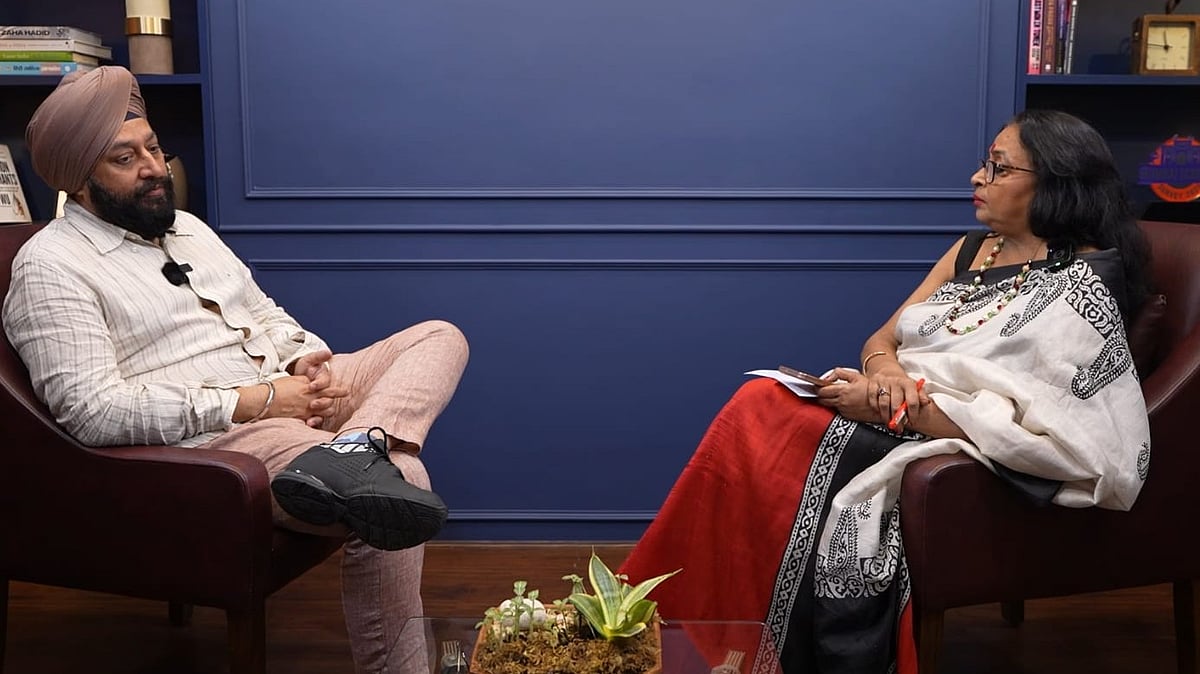
That shift was central to Kalpana Ravi’s conversation with Mandeep Malhotra, Founder & CEO of Srishti Media, a sports entrepreneur involved in grassroots programmes and indigenous sports. The key question was not whether India has talent, but whether it can build the systems to turn talent into sustained podium success.
Cricket has demonstrated the country’s audience, infrastructure and commercial appetite for sport. The opportunity now is to apply those lessons across disciplines. State governments are showing greater interest, while newer leagues are creating visibility and pathways for athletes. Kho-kho, for example, has grown from a schoolyard game into an internationally played sport, with 29 countries and 41 teams participating in the World Cup referenced in the conversation.
Visibility alone will not create champions. Athletes must be identified early and supported through training, nutrition, sports science, rehabilitation and coaching. They also need protection from the drop-off that often follows injury or poor performance. The goal should be a deep pool of athletes, not reliance on a single medal prospect.
The discussion also challenged sports sponsorship’s short-term approach. Brands often favour cricket because its audiences and returns are easier to measure, but that familiarity has created advertising clutter. Emerging sports can offer less crowded opportunities if brands invest in athletes and stories rather than simply attach themselves to events.
“The minute you make the athlete the hero,” one observation suggested, athlete-led storytelling can unlock greater commercial value. The challenge is to create sports personalities audiences recognise beyond their medal tallies.
Broadcasters, too, can do more than buy rights. Media companies could help build emerging leagues through airtime, equity or sustained content support, giving them time to develop audiences and viable commercial models. Kabaddi was cited as an example of what long-term ecosystem-building can achieve.
At the grassroots level, the ambition of 100 Olympic medals by 2036 is less a forecast than a direction. Reaching it would require early talent identification, wider participation, stronger infrastructure and continuous athlete support.
India’s opportunity is not to replace cricket, but to expand the pie. Cricket has proved that sport can become a powerful entertainment and business ecosystem. The next phase is to give the country’s other athletes, disciplines and sporting stories the chance to become visible, investible and sustainable.

