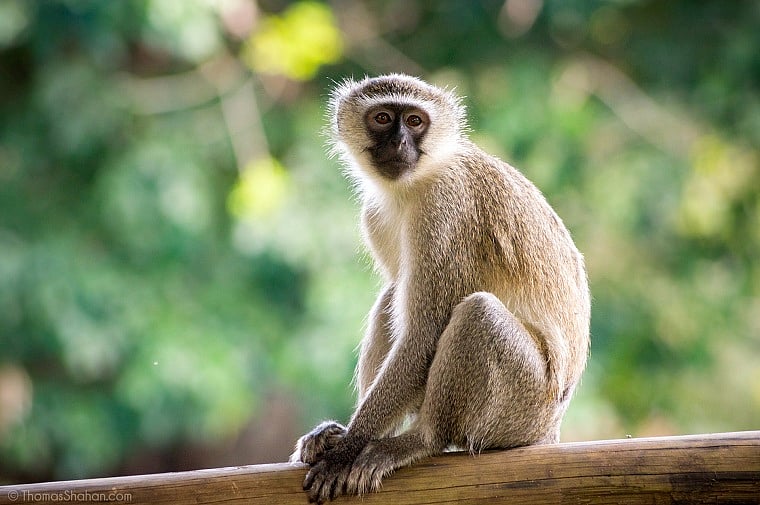
New York: A joint team of US and Chinese scientists have, in breakthrough research, grown human cells in monkey embryos in a laboratory for up to 20 days. The development, which has sparked ethical debates, has implications for developing new models of human biology and disease.
Interspecies chimeras in mammals have been made since the 1970s, when they were generated in rodents and used to study early developmental processes. In the current study, detailed in the journal Cell, six days after the monkey embryos had been created, each one was injected with 25 human cells. The cells were from an induced pluripotent cell line known as extended pluripotent stem cells, which have the potential to contribute to both embryonic and extra-embryonic tissues.

After one day, human cells were detected in 132 embryos. After 10 days, 103 of the chimeric embryos were still developing. Survival soon began declining, and by day 19, only three chimeras were still alive. Importantly, though, the percentage of human cells in the embryos remained high throughout the time they continued to grow.
"As we are unable to conduct certain types of experiments in humans, it is essential that we have better models to more accurately study and understand human biology and disease," said Juan Carlos Izpisua Belmonte, Professor in the Gene Expression Laboratory at the Salk Institute for Biological Sciences.
"An important goal of experimental biology is the development of model systems that allow for the study of human diseases under in vivo conditions," Belmonte added. But there was opposition too. "My first question is: Why?" Kirstin Matthews, a fellow for science and technology at Rice University's Baker Institute, was quoted as saying to NPR.org.
"I think the public is going to be concerned, and I am as well, that we're just kind of pushing forward with science without having a proper conversation about what we should or should not do," Matthews said.
However, Belmonte notes that before beginning this work, "ethical consultations and reviews were performed both at the institutional level and via outreach to non-affiliated bioethicists".


