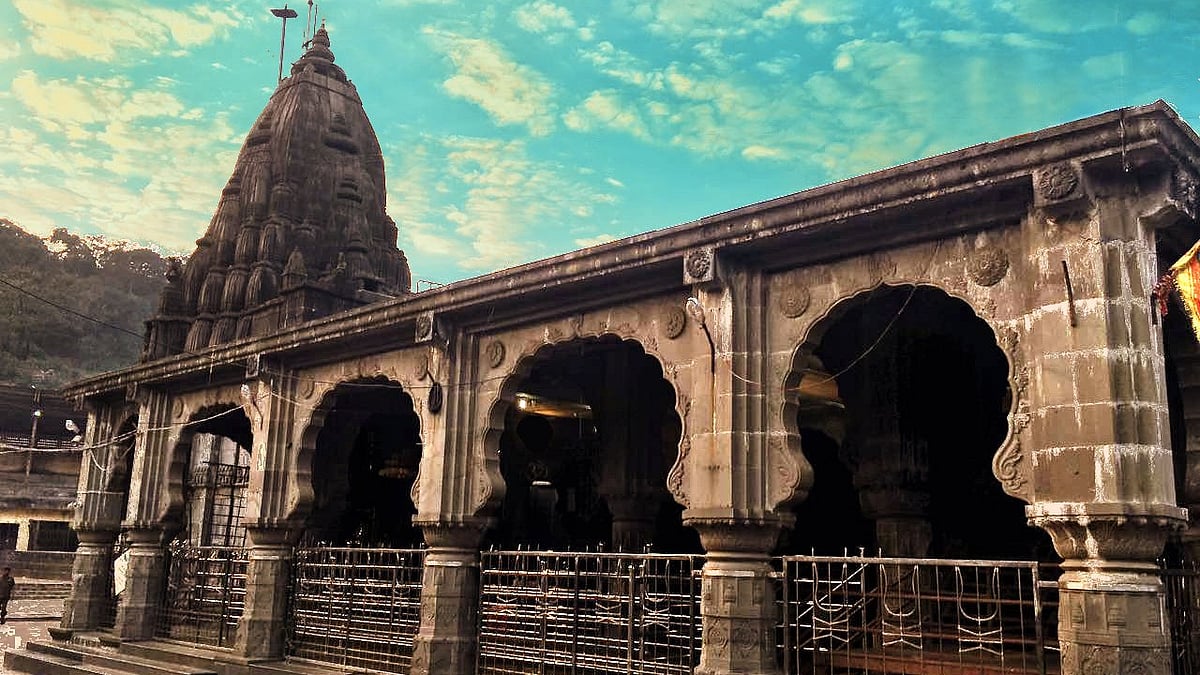
Pune: With the number of devotees visiting the Bhimashankar Jyotirlinga rising, locals and devotees have called for stricter rules on mobile phone photography and video recording inside the temple premises.
The demand comes amid complaints of arguments between devotees and temple staff, security guards and police personnel over demands for immediate darshan. In some cases, devotees have reportedly recorded such incidents on their mobile phones and shared the videos on social media. Locals and devotees say such videos can present only one side of an incident and damage the image of the shrine.
Rising crowds put pressure on darshan system
Bhimashankar is one of the 12 Jyotirlingas and attracts devotees throughout the year. The shrine also draws tourists and nature lovers because of its scenic surroundings.
However, the hilly terrain and limited space make crowd management difficult, particularly during peak periods. The administration and shrine management have to manage long queues, security arrangements and police deployment to keep the darshan system running smoothly. With the rising footfall, demands for immediate darshan have become a concern for those managing the queues.

Arguments over immediate darshan
Locals say some devotees consider themselves VIPs and insist on getting darshan without waiting in line. Arguments often begin when security guards or shrine staff ask them to follow the queue system.
There are also allegations that political office-bearers, party workers, relatives and people connected with administrative officials sometimes put pressure for immediate darshan. However, there is no official confirmation of these allegations.
Devotees have called for the same rules to be applied to everyone, regardless of their position or connections.

Calls for restrictions on mobile phones
Villagers say filming disputes inside the temple and posting the videos on social media is affecting Bhimashankar’s image.
They want the shrine administration to frame clear guidelines on the use of mobile phones, particularly photography and video recording in sensitive areas of the temple.
The demand is not only aimed at preventing disputes from being recorded. Locals also say the religious atmosphere of the shrine should be respected.
Devotees say that waiting in line for darshan and following the rules is the responsibility of every devotee. Arguing with staff and taking videos of it is not right. Such incidents defame the shrine. There should be proper bans or restrictions on recording on the temple premises.

Devotees seek equal darshan system
However, locals argue that everyone should get equal access to darshan during periods of heavy crowds.
“During peak crowd periods, it is necessary that everyone gets darshan equally. Some people insist on immediate darshan, which leads to arguments. Later, videos of it are posted on social media. The administration should tighten rules and maintain an equal darshan system for all,” a local villager said.
Dattatray Hile, Sarpanch of the Bhimashankar Bhorgiri Group Gram Panchayat, said both devotees and the administration have a role in protecting the shrine’s image.
“Bhimashankar is not just a religious site; it is the identity of our region. Just because an individual gets into an argument with staff or the police, the image of the entire shrine being ruined is not right. Devotees should exercise restraint, and the administration should implement a transparent and equal darshan system,” Hile said.
Locals and devotees have called for stronger crowd-management measures, including clear rules, notice boards and adequate security deployment. They also want the shrine administration to consult villagers, devotees, security personnel and police before finalising rules on mobile phone use. The focus, they say, should be on ensuring a peaceful darshan experience while applying the same rules to every devotee.

