Pune: With the onset of the monsoon and the seasonal rise in infectious diseases, the Maharashtra Health Department and the Pune Municipal Corporation (PMC) have stepped up preparedness measures to prevent outbreaks of water-borne and mosquito-borne illnesses across the city and state.
Health authorities have intensified disease surveillance, sanitation drives and emergency response planning to curb illnesses such as dengue, malaria, chikungunya, gastroenteritis and typhoid, which typically increase during the rainy season due to waterlogging, contaminated drinking water sources and mosquito breeding.
Joint Director of Maharashtra Health Services, Dr Sandeep Sangle, said detailed instructions have been issued to district and local health authorities to strengthen disease monitoring and ensure prompt response mechanisms.
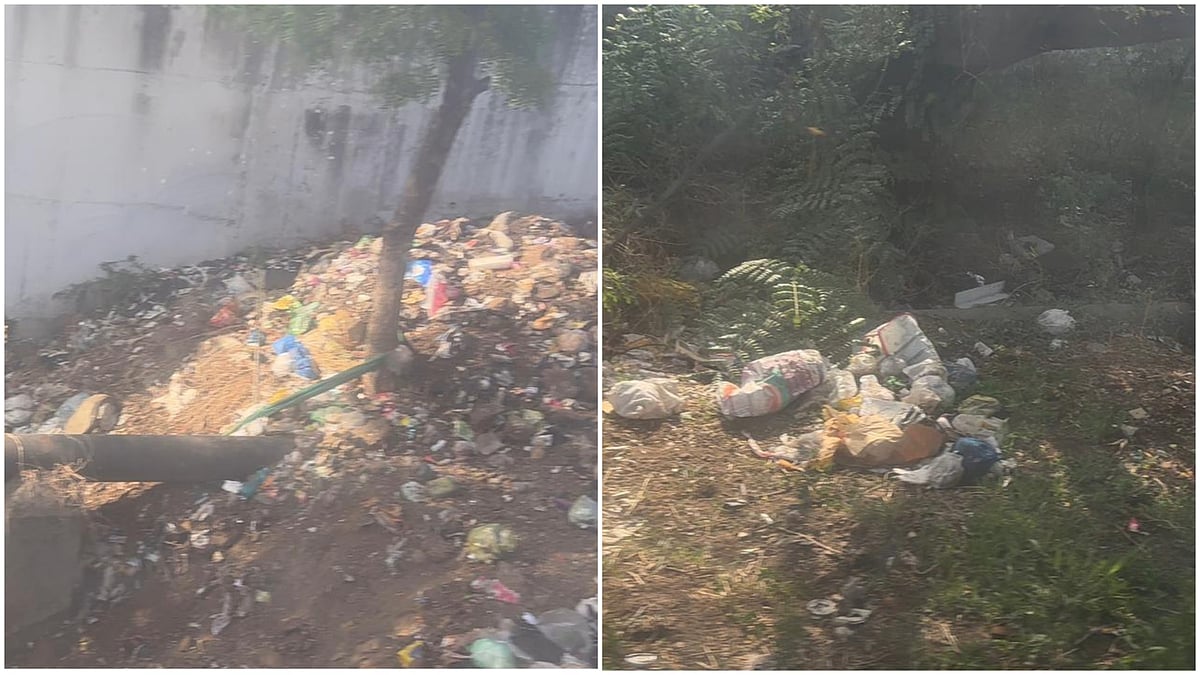
“Regular inspection and chlorination of drinking water sources are being carried out to prevent the spread of water-borne diseases. Local health departments have also been directed to enhance sanitation measures and remain prepared for any emergency situation,” he said.
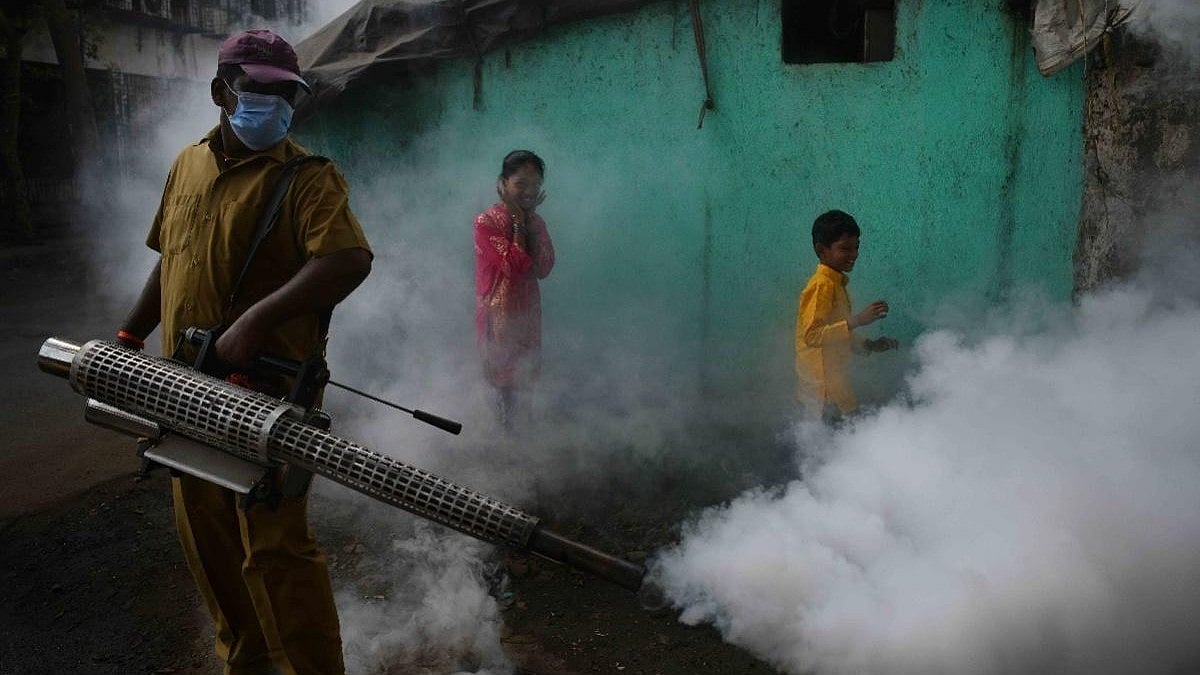
A key component of the monsoon preparedness plan is mosquito control. Health authorities have identified areas vulnerable to dengue, malaria and chikungunya for targeted interventions, including the removal of stagnant water, larvicide treatment and insecticide spraying.
The department is also promoting biological mosquito-control methods, such as releasing guppy fish into water bodies to naturally reduce mosquito larvae.
Dr Sangle said special inspections would be conducted at old-age homes, hostels, residential schools and ashram schools. Inspection teams will assess hygiene standards, food storage practices, kitchen cleanliness and drinking water safety. Entomological surveys will also be undertaken to identify mosquito breeding sites and implement preventive measures before disease outbreaks occur.
To manage any increase in cases, government hospitals and health centres have been instructed to maintain adequate stocks of essential medicines and emergency supplies. Rapid response teams have also been kept on standby to respond immediately to any disease outbreak.
The Health Department has placed equal emphasis on public awareness. Citizens are being encouraged to use mosquito nets and repellents, install protective screens on doors and windows, and follow proper hygiene practices to reduce the risk of infection.
Meanwhile, the PMC has launched a citywide campaign focusing on disease prevention and mosquito control. Assistant Health Officer Dr Rajesh Dighe said efforts are underway to identify vulnerable localities and areas that have witnessed disease outbreaks in previous years.
“Regular insecticide spraying and larval control measures will be undertaken in high-risk areas to reduce mosquito breeding. ASHA workers will play a crucial role in the campaign and will receive specialised training to identify the early symptoms of infectious diseases,” he said.
According to Dr Dighe, ASHA workers will conduct door-to-door visits, monitor residents suffering from fever and encourage timely medical examinations. Suspected cases will be referred to PMC hospitals and health centres for further diagnosis and treatment.

The civic body's disease-control efforts will involve coordination between multiple departments, including health, solid waste management, drainage, building control and anti-encroachment wings. PMC officials said this integrated approach is expected to improve the effectiveness of preventive measures during the monsoon season.
Field offices have also been directed to maintain adequate stocks of pesticides and mosquito-control materials throughout the season to ensure a swift response to any emerging health concern.
The PMC will organise awareness programmes in schools, colleges, housing societies and public spaces to educate citizens about maintaining cleanliness, preventing water accumulation and recognising the early symptoms of seasonal illnesses.
With rainfall expected to intensify in the coming weeks, both the Health Department and PMC have appealed to citizens to cooperate with preventive measures and promptly report any suspected cases of infectious diseases.
Officials said that through enhanced surveillance, sanitation drives, mosquito-control initiatives, public awareness campaigns and strengthened healthcare preparedness, the administration aims to minimise the impact of monsoon-related diseases and ensure a safer rainy season for residents.

