.jpg?width=1200)
Pimpri-Chinchwad: Residents of at least 34 large housing societies in Pimpri-Chinchwad continue to depend on private water tankers despite the Pavana Dam being full. The shortage has prompted housing federations in the city to demand a detailed audit of the civic water supply system and an immediate action plan from the Pimpri-Chinchwad Municipal Corporation (PCMC). Residents have complained of inadequate, irregular and low-pressure water supply in several parts of the city.
They say they are being forced to spend extra money on tankers for their daily needs despite paying property taxes. The affected societies are mainly in rapidly developing areas such as Wakad, Punawale, Tathawade, Thergaon, Shani Mandir Road and Pimple Saudagar. The issue has continued since September. At that time, 36 societies submitted complaints about inadequate and low-pressure supply to PCMC. Civic officials assured society representatives that the affected areas would be inspected and the complaints examined.
Residents demand water supply audit
Housing federations in the city have now demanded an immediate audit of the entire water distribution system. The demands include checking the condition and capacity of pipelines, area-wise water pressure, supply timings and the actual quantity of water reaching each society.
The federations have also demanded that PCMC make public the amount of water available in Pavana Dam, the quantity being drawn for Pimpri-Chinchwad and the quantity actually distributed across different areas.
Residents want a report identifying the technical reasons for the shortage and low pressure. They have also demanded that the officer responsible for water supply in each ward be identified publicly, along with the officer's contact details and the area's water supply schedule.
‘Why are tankers needed when the dam is full?’
The shortage has raised questions because Pavana Dam, one of the city's key water sources, is currently at full capacity. Residents raised the same question in September when several societies in Wakad, Pimple Saudagar, Tathawade, Thergaon and Punawale reported tanker dependence despite the monsoon and a full dam.
In Wakad, one 412-flat society was reportedly arranging nearly 12 tankers a day. Another society with 479 flats was spending around ₹50,000 a month to draw water from a nearby well. A large society in Thergaon also reported receiving only about half of its requirement.
Residents say the additional tanker expense is putting financial pressure on families.
Federation questions new construction approvals
The housing federations have also linked the shortage to rapid construction in Pimpri-Chinchwad. They have questioned why new housing projects are being approved without a proper assessment of available water sources, existing pipeline capacity, distribution infrastructure and future demand.
The federations have demanded that future construction permissions take the city's water requirements into account. The concern comes as several western parts of Pimpri-Chinchwad have seen rapid residential growth. PCMC itself has projected that population and business growth will continue to increase the city's water demand. Its planning documents have also identified a future gap between water demand and available supply.
The housing federations have also sought an independent inquiry into allegations that inadequate civic supply could be benefiting private tanker operators. They have asked the administration to investigate why societies are being forced to purchase tanker water and whether any deliberate or administrative failures are behind the situation.
The allegation that water is being deliberately supplied inadequately to benefit the tanker lobby has not been established and remains an allegation by the federations. The federations have demanded strict action if any wrongdoing is found.
PCMC points to Bhama Askhed project
PCMC officials have indicated that additional water supply is linked to the completion of augmentation projects. Ajay Suryawanshi, joint city engineer in the water supply department, said the affected societies have around 200 to 500 flats each and that additional water cannot be supplied to them until water from the Bhama Askhed project becomes available.
PCMC has been pursuing the Bhama Askhed water supply project as a major source of additional water for the city. The civic body's planning documents have identified 167 MLD from Bhama Askhed and 100 MLD from Andra as additional sources, taking the proposed additional supply to 267 MLD.
In August, PCMC Commissioner Vijay Suryawanshi directed officials to complete the pending works of the Bhama Askhed water supply project within the prescribed timeline, highlighting its importance in meeting the city's future demand.
Water shortage becomes a larger planning issue
The current dispute has therefore moved beyond the complaints of individual housing societies. Residents are questioning how a city can have a full Pavana Dam but still have societies buying private water. The housing federations want PCMC to establish where the gap lies, whether in water availability, pumping capacity, pipelines, pressure management or distribution.
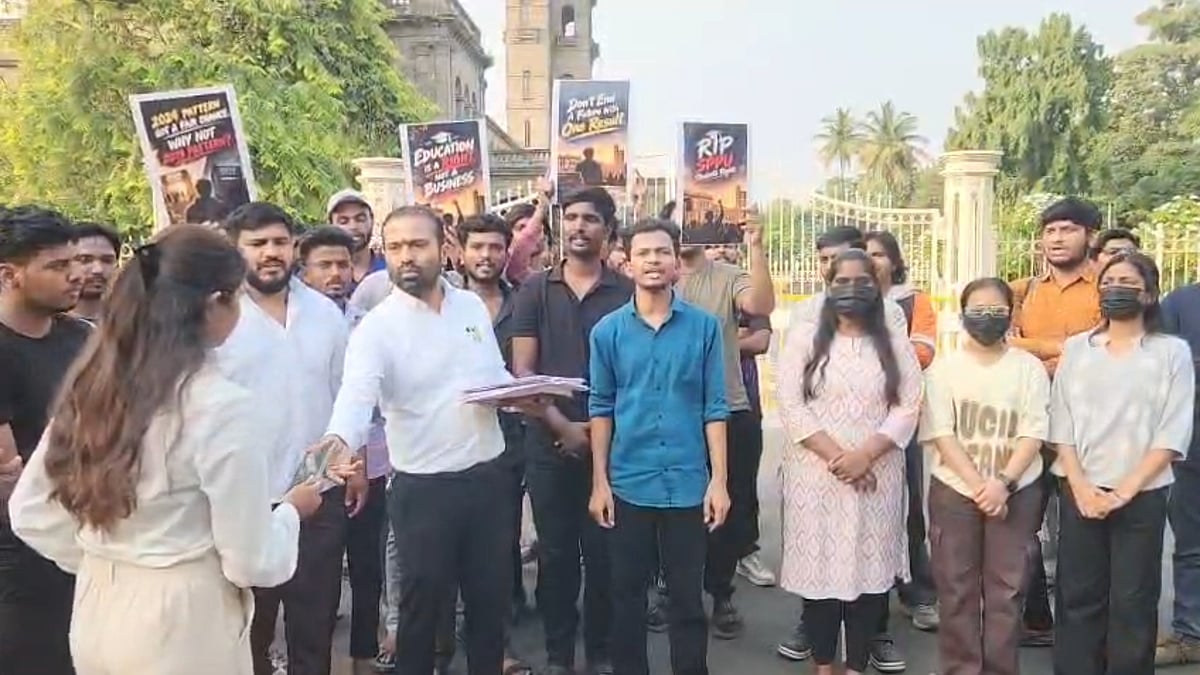
They have also demanded an emergency water management plan to reduce dependence on tankers. The federations have warned that if water supply to the 34 affected societies is not normalised, they will launch an agitation.
For residents, the immediate demand is regular water at adequate pressure through the civic network instead of having to pay privately for a basic civic service.

