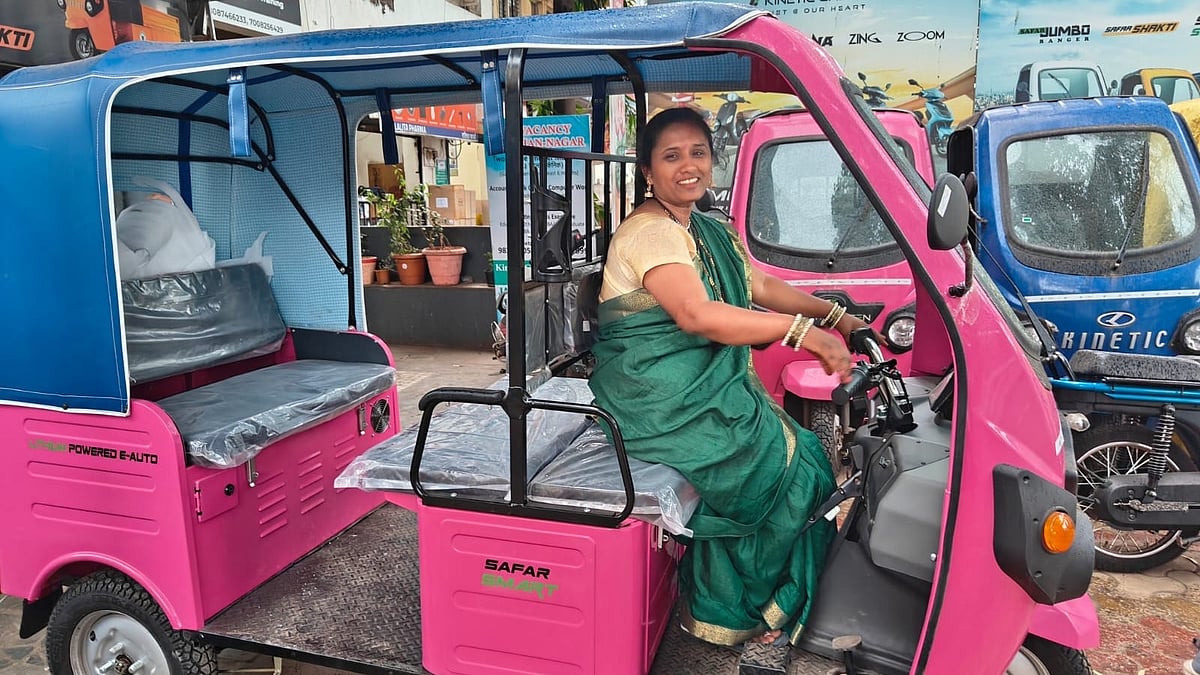
Pune: Nearly two years after Pune was allotted around 4,000 Pink E-Autos under Maharashtra's flagship women empowerment scheme, only 17 women have started operating the vehicles, highlighting a glaring gap between policy and implementation. While the state recently doubled the subsidy from 20% to 40%, NGOs, beneficiaries and field experts say the scheme's biggest challenges lie in financing, documentation, awareness and coordination among multiple agencies—not in a lack of interest among women.
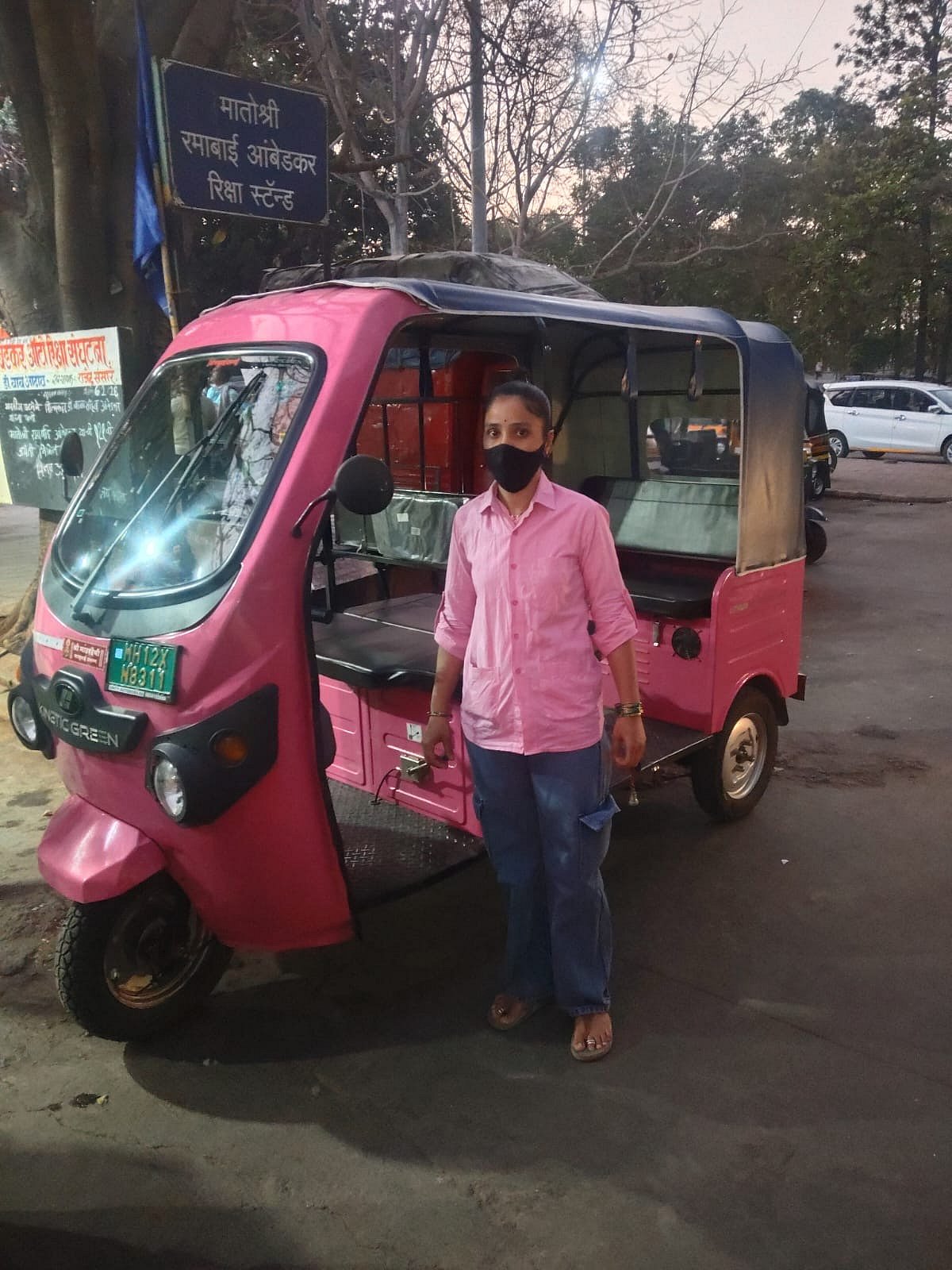
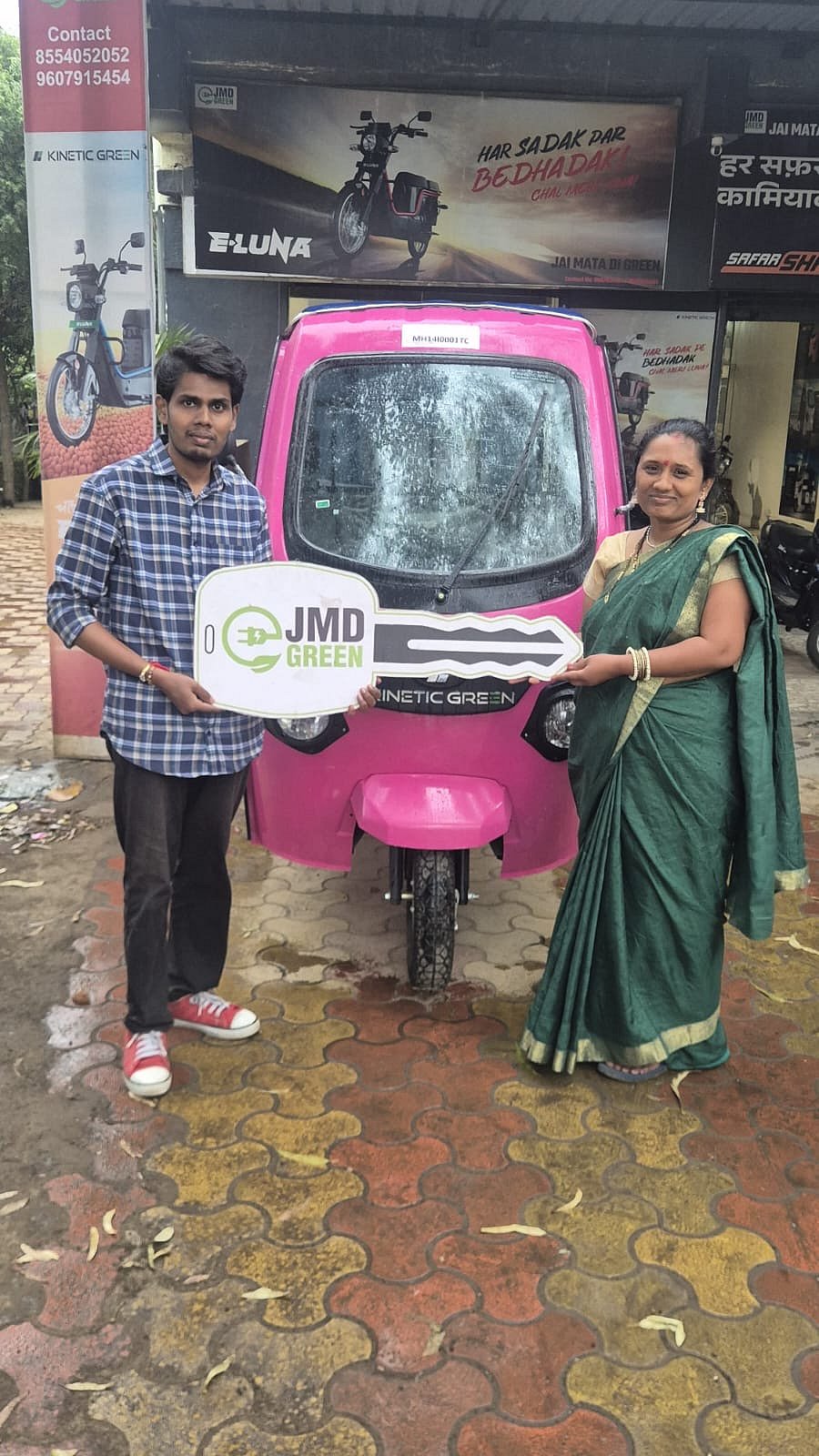
The revised Government Resolution has reduced the beneficiary's contribution to 10% of the vehicle cost, with the remaining amount to be financed through bank loans or an interest-free deferred payment facility offered by the vehicle supplier. Women who purchased Pink E-Autos under the earlier policy will also receive the additional subsidy to help repay their loans. However, organisations working closely with applicants say the scheme continues to lose beneficiaries long before they receive their vehicles.
Sharmila Deo, Senior Programme Associate at Parisar, said, "Our experience suggests the issue is not a lack of interest among women, but the complexity of implementation. Many applicants believed the vehicle would be fully subsidised and provided free of cost. They only realised later that they had to arrange their own contribution or take a loan, and many dropped out at that stage."

Deo said the confusion extended beyond finances. "Several women were unaware that only the woman beneficiary could drive the vehicle, while others did not know it would be an electric auto. Better counselling before applications and clear communication about the scheme could prevent many of these dropouts."
According to Parisar and Asar Social Impact Advisors, the financing stage remains the biggest bottleneck. Applicants struggled to secure bank loans because of poor CIBIL scores or an inability to arrange their share of the contribution. Even after loan approvals, delays in obtaining driving licences, registrations, permits, training and vehicle delivery prolonged the process.
Deo added, "The challenge is not limited to one department. Applicants have to coordinate with the Women and Child Development Department, banks, RTOs, Metro authorities, vehicle suppliers and training agencies. Delays at any stage affect the entire process. A single-window support system would make implementation much smoother."
Vilas Gite, Programme Associate at Asar Social Impact Advisors, said increasing the subsidy was a positive step, but it would not solve the scheme's deeper implementation issues.
"Affordability was the biggest concern raised in our survey, so the higher subsidy is welcome. But beneficiaries also spoke about lengthy loan procedures, inadequate follow-up and concerns about earning a stable livelihood."
Gite added that passengers have generally welcomed women drivers despite concerns about vehicle speed and ride comfort. "Beneficiaries told us that students, senior citizens, women passengers and regular commuters have responded positively. More importantly, owning the vehicle has given many women confidence, dignity and financial independence."
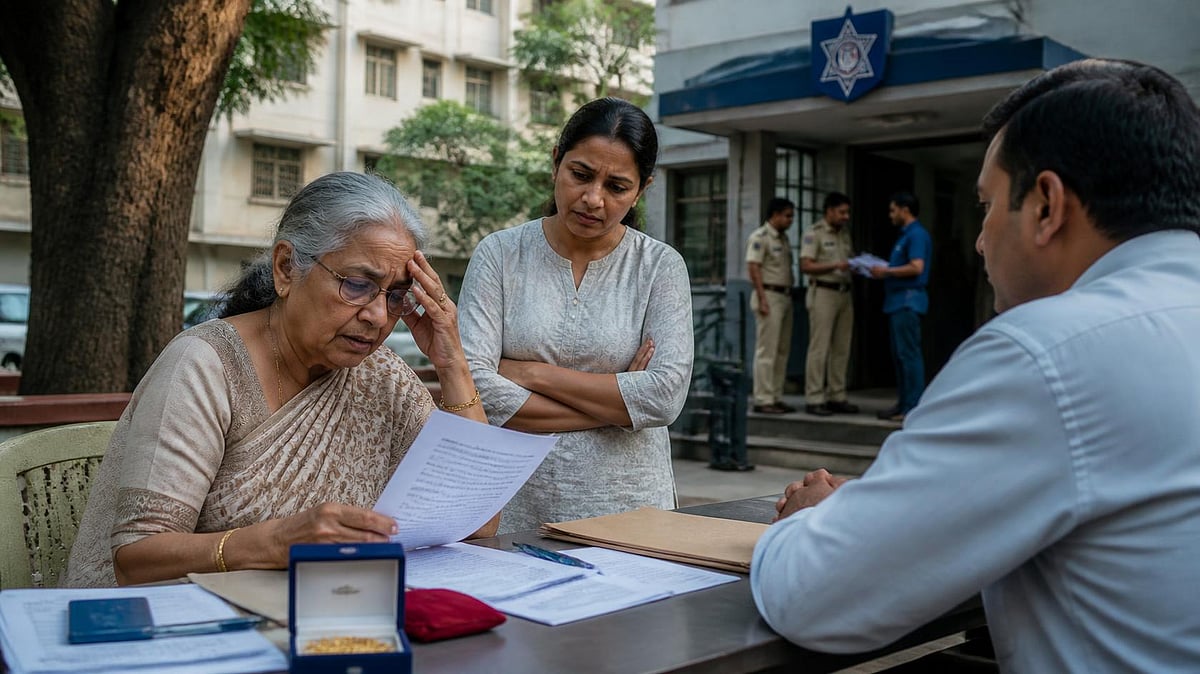
Why Women Opted Out of the Pink E-Auto Scheme
(Survey of around 340 applicants who initially applied but did not complete the process)
Reason for opting out - No of applicants
Financial constraints - 69
Personal reasons - 46
No follow-up after application - 42
Details of the scheme were unclear - 33
Family asked them to opt out - 21
Believed the vehicle would be provided free of cost - 21
Lack of trust in electric autos - 19
Vehicle could not be used by other family members - 17
Changed mind (no specific reason) - 11
Bought another type of auto - 9
Lack of parking/charging infrastructure - 9
Did not like the vehicle's design/specifications - 8
Could not secure a loan - 7
Lack of confidence - 5
Still in the application/training process - 2
Application rejected/incomplete documents - 1
Received the vehicle but returned it - 1

