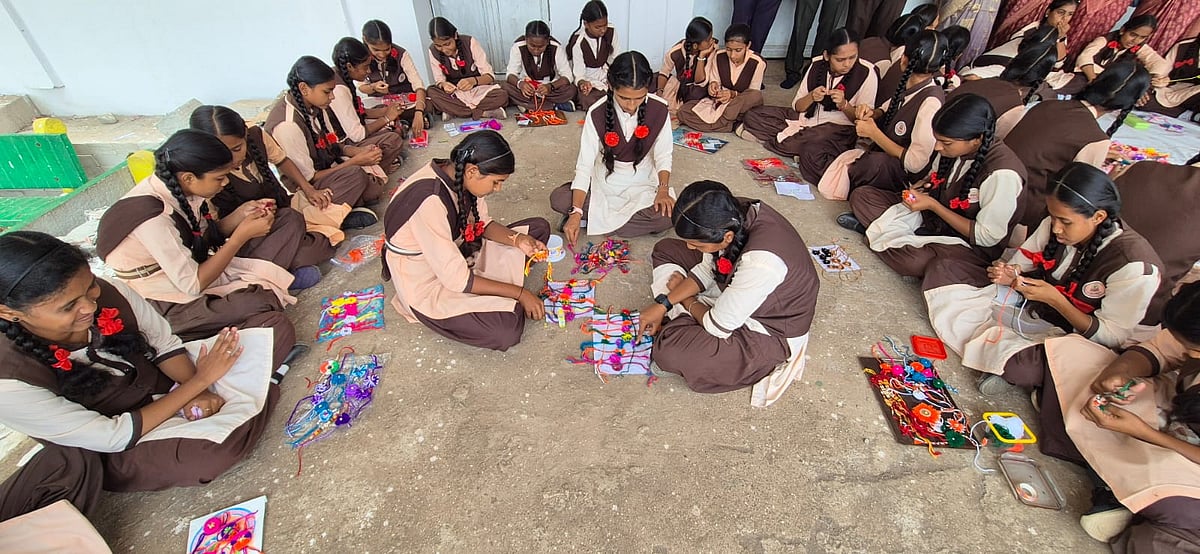
For the last 28 years, the students of Indira Gandhi Secondary and Higher Secondary School in Jalgaon's Dharangaon have been quietly carrying out a heartwarming mission: sending handmade rakhis to Indian soldiers stationed at the borders. This simple yet powerful gesture reminds the armed forces that the country stands firmly behind them, even during festive times.
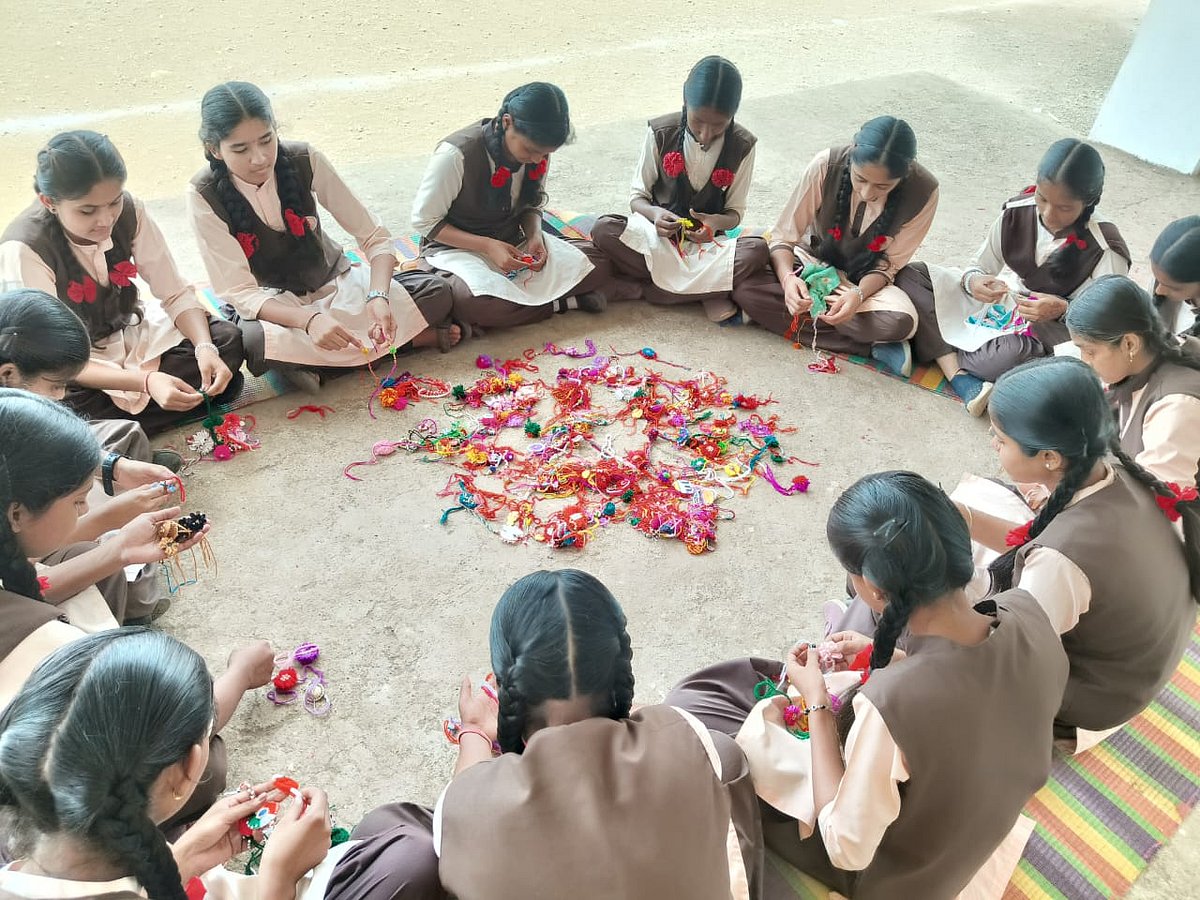
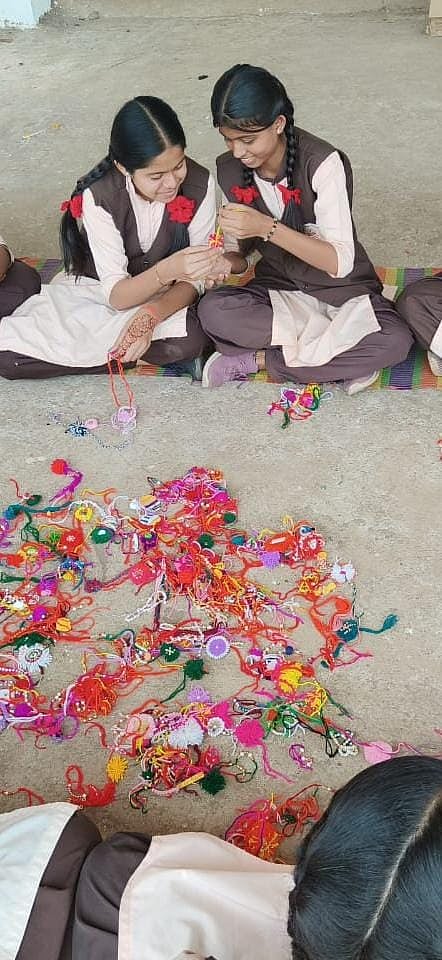
This year, 300 Class 10 girls crafted 1,200 tricolour rakhis and travelled to Nashik Cantonment to ensure their delivery to jawans on the frontline. The initiative, still going strong, was started in 1996 by Rajendra Padol, then a school supervisor.
Padol was deeply moved after reading an article in which a soldier said, “For us, all days are the same. There are no festivals at the border.” Those words struck a chord, prompting him to approach the Class 10 students with an idea: to send rakhis as a token of love and gratitude. The girls responded enthusiastically, pooling money from their savings to buy wool, silk threads and decorative materials. The school’s art teacher taught them the craft of rakhi-making, and soon, students began arriving an hour early to school just to work on them.
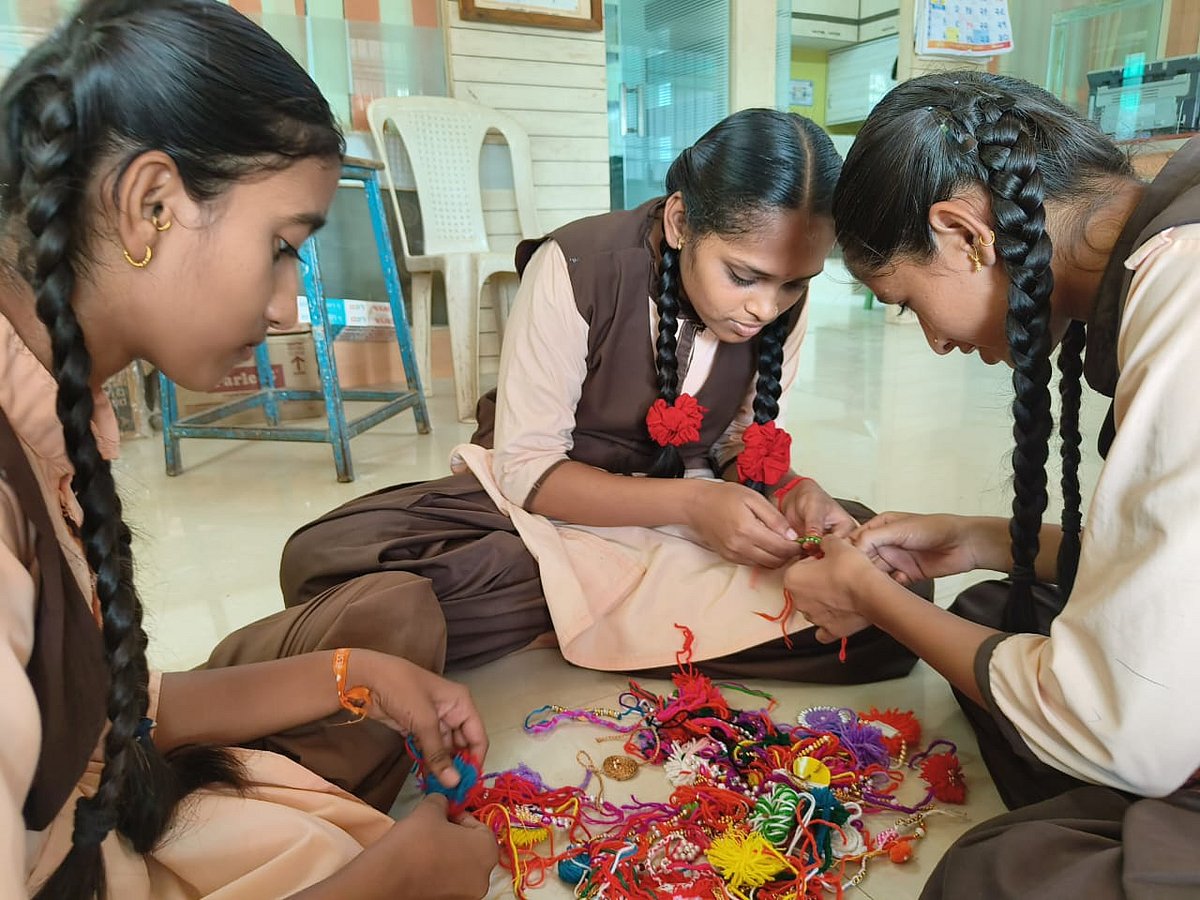
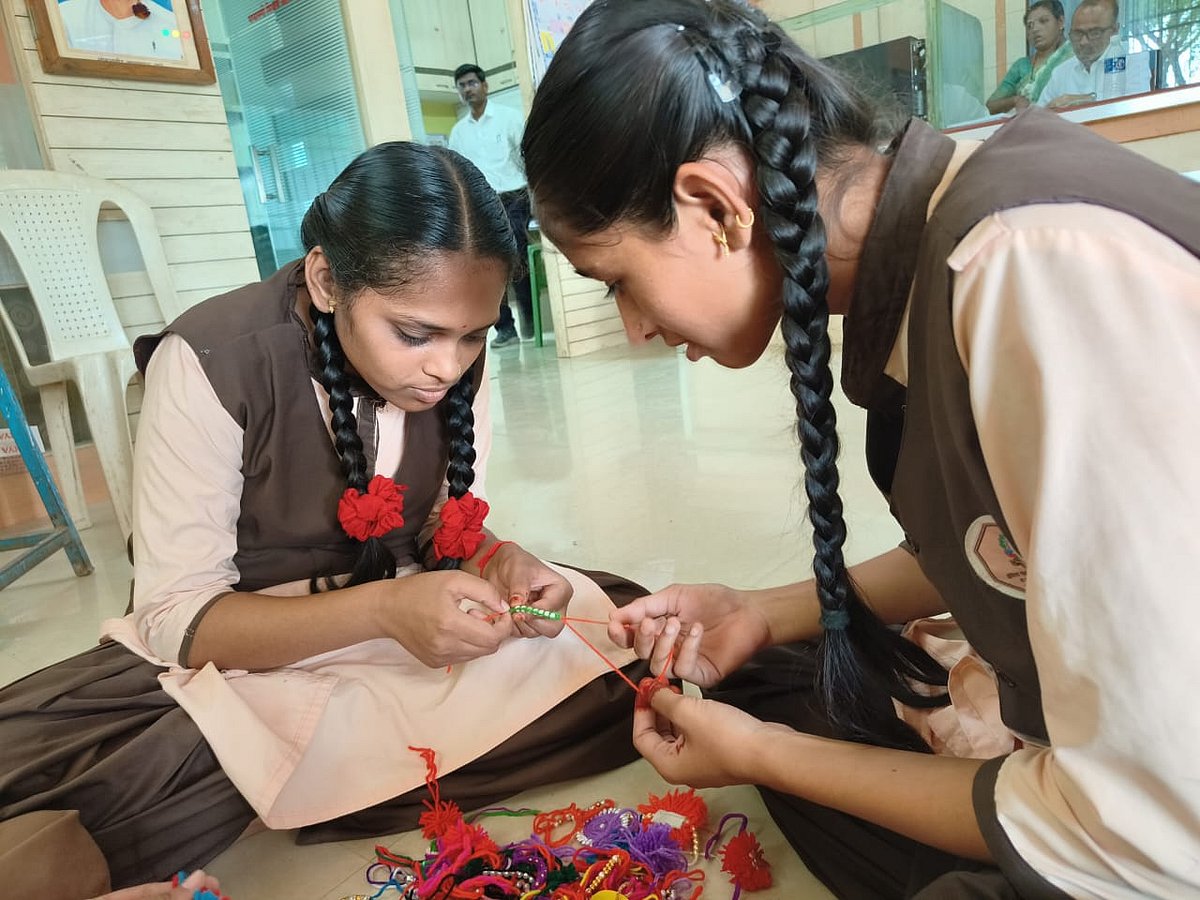
What started as a small effort grew into a yearly tradition. The rakhis were sent to the Commanding Officer at Nashik Cantonment, who ensured their delivery to soldiers on the border. The girls were elated when letters of thanks arrived from the soldiers, sometimes even accompanied by Bhau Beej gifts collected and sent by the jawans themselves.

So far, over 28,000 rakhis have been sent through this initiative. Principal Surekha Patil said, “Making these rakhis not only builds craft skills but also fosters patriotism and empathy. We are proud that our girls have carried this tradition forward for nearly three decades.”
Padol, now retired, remains an active supporter. “It’s not just about rakhis; it’s about building a lifelong bond with our soldiers,” he said.
School supervisor AS Patil added, “This initiative teaches service, compassion and nation-building. It’s become a model as many schools have now adopted similar practices.”
