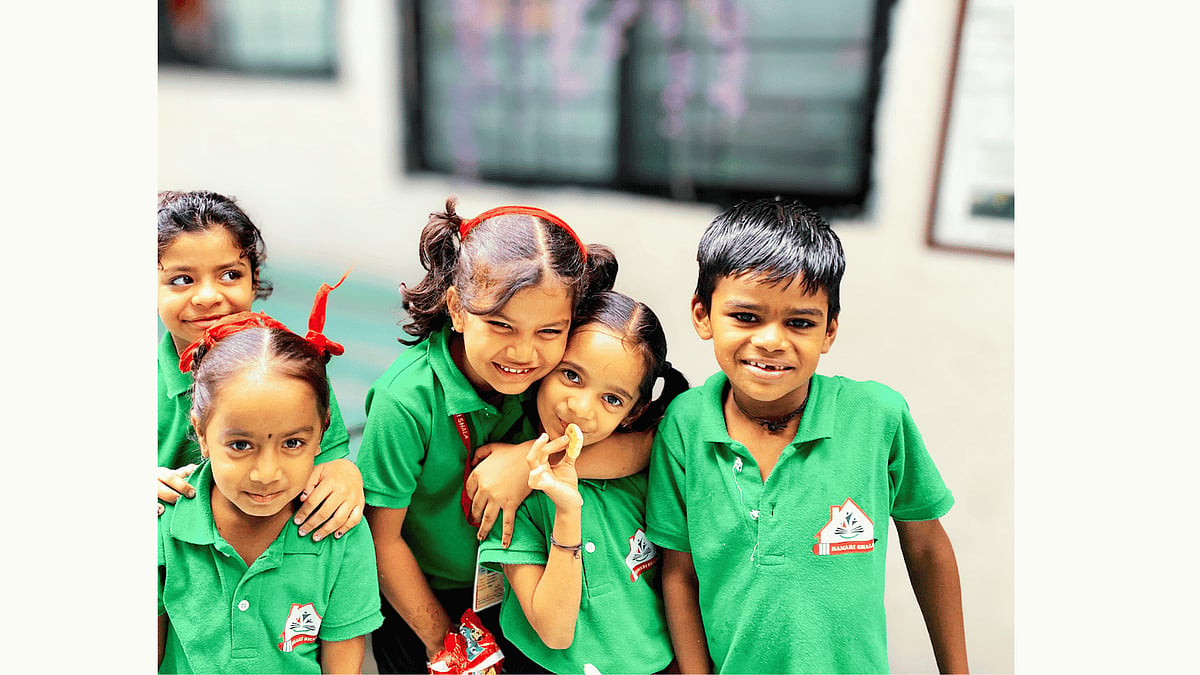
Pune: For Tarun Joshi, the question that shaped Ashraya Initiative for Children was a simple one: Should a child’s future really be decided by the circumstances into which they are born?
That question has grown into more than a decade of work with children, women and families from marginalised communities. What began with education has evolved into a wider effort covering health, mental health, women’s empowerment, skills and access to government schemes.
Joshi, who moved from the IT sector to social development, now leads Ashraya as its CEO, working to create opportunities for children, women and vulnerable communities.
When A School Problem Is Not Just A School Problem
Ashraya initially focused on children who were out of school, dropping out early or becoming first-generation learners without adequate support. Over time, the organisation realised that education could not be separated from the other challenges families faced.
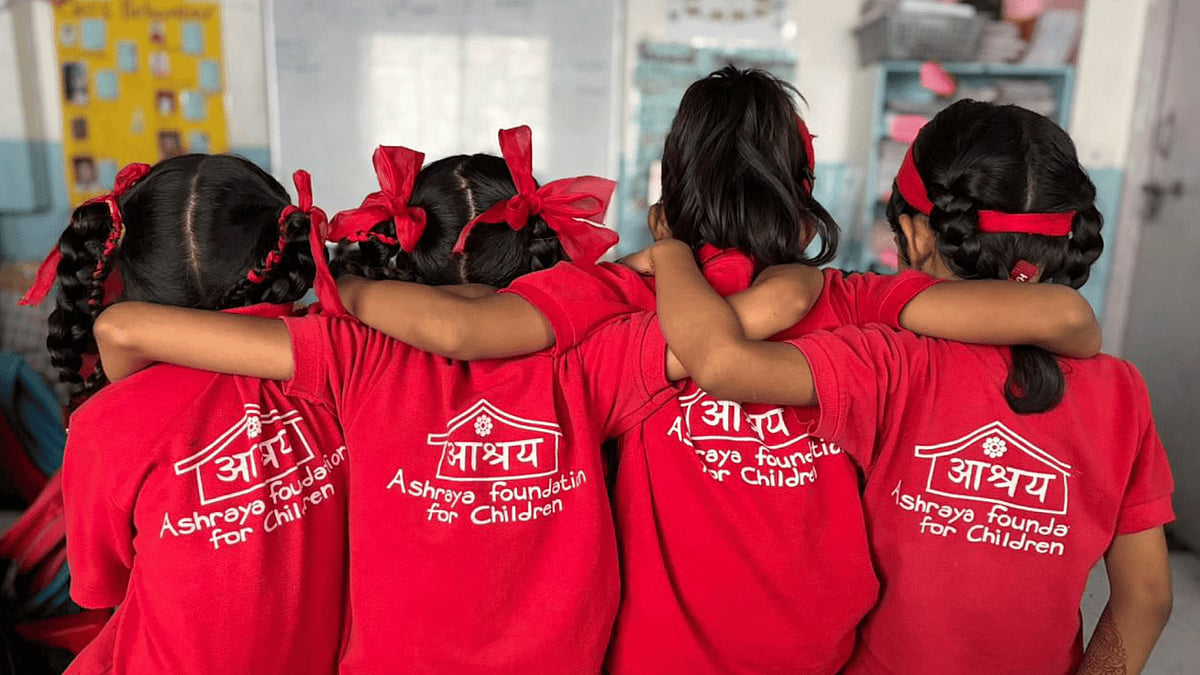
This became clear when a group of adolescent girls began missing STEM and skilling classes. On looking deeper, the team found that the girls were restricting their water intake because they did not feel safe using public toilets in their area. What appeared to be an education issue was also linked to health, safety and sanitation, prompting Ashraya to look at solutions beyond the classroom.
For Joshi, this reflects the way Ashraya approaches its work.
“Poverty is not one problem, so the solution cannot be one programme,” he said.
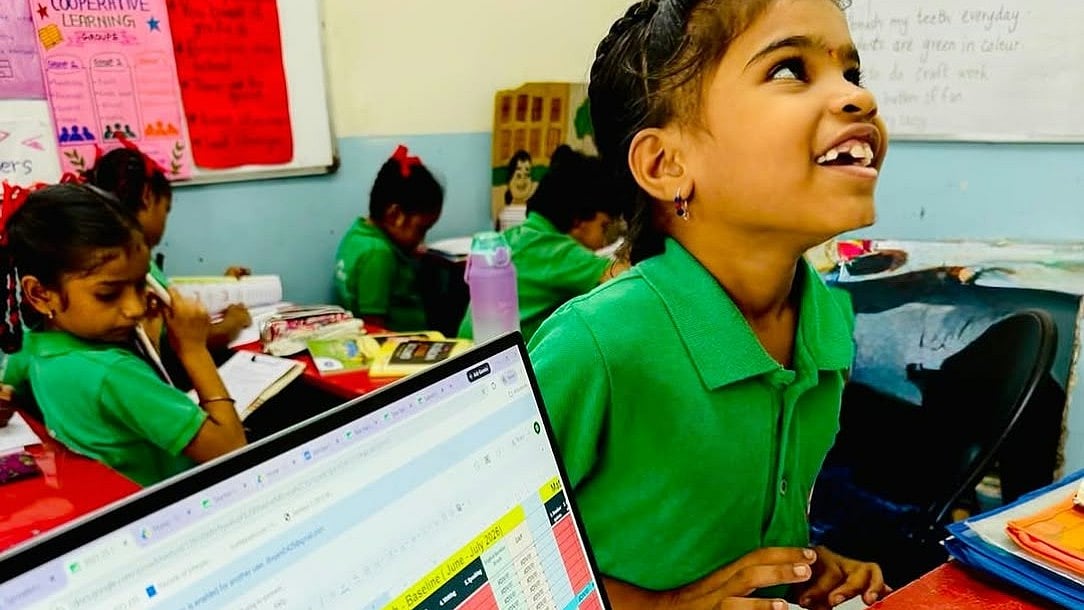
Ashraya now works across education, health and community empowerment, with programmes covering early childhood education, STEM and 21st-century skills, healthcare and nutrition, mental-health support, and women’s livelihoods and entrepreneurship.
Breaking The Cycle Of Poverty
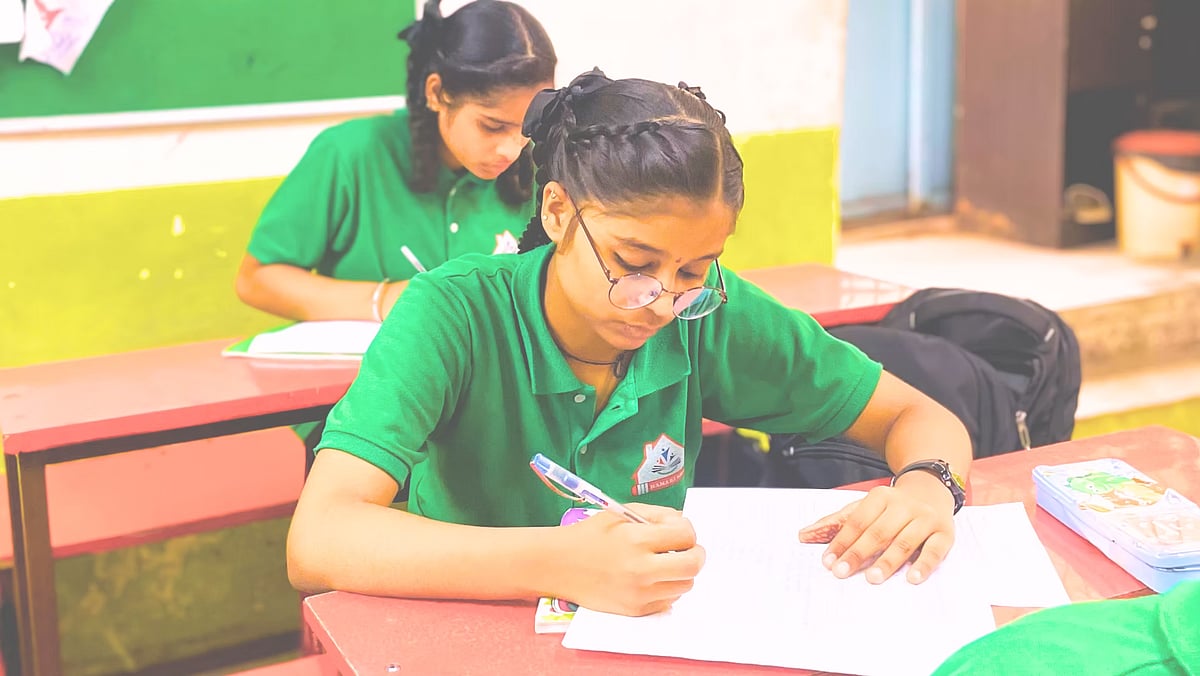
The organisation’s long-term goal is to break the cycle of intergenerational poverty. Over 15 years, Ashraya’s work has expanded across 12 communities, with its community empowerment programmes reaching more than 20,000 beneficiaries.
In education, more than 2,000 children and young people have received support. In the communities covered by its current impact data, the proportion of families with children enrolled in education has increased from 15% to 96%. In Ashraya’s first two community interventions, 72% of families now have at least one graduate or skilled young person.
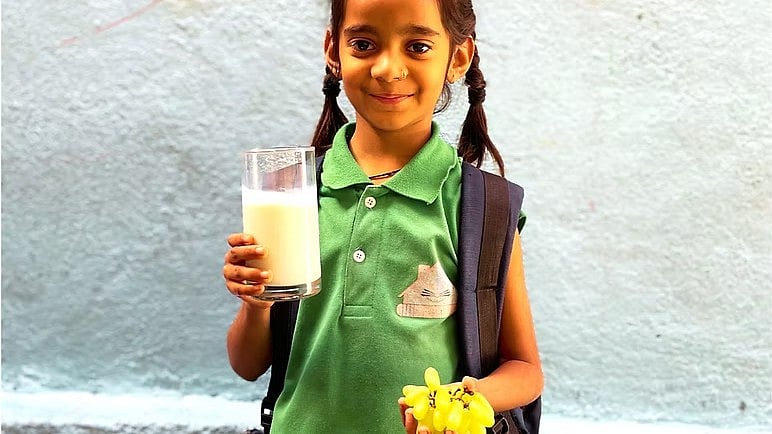
Its health and nutrition programmes have also shown measurable improvements, including in BMI and haemoglobin levels. Over the last five years, the average haemoglobin level has increased from 8.9 to 11.
In community empowerment, 1,100 women have been trained through skills programmes and 180 businesses have been started.
But for Joshi, some of the most meaningful impact can be seen in what beneficiaries go on to do themselves.
From Beneficiary To Leader
Bhagyashree, who grew up in a Denotified Tribe family, had been associated with Ashraya since preschool. After completing an honours degree in Fashion Design, she chose to return to her community instead of pursuing job opportunities elsewhere.
She began training marginalised women in stitching, tailoring and embroidery, creating employment opportunities for 20 women within a year. She now also teaches Ashraya students.
“A child who once came to Ashraya as a beneficiary returning as a leader and creating opportunities for others,” Joshi said, describing the kind of impact he finds most meaningful.Taking The Work Further
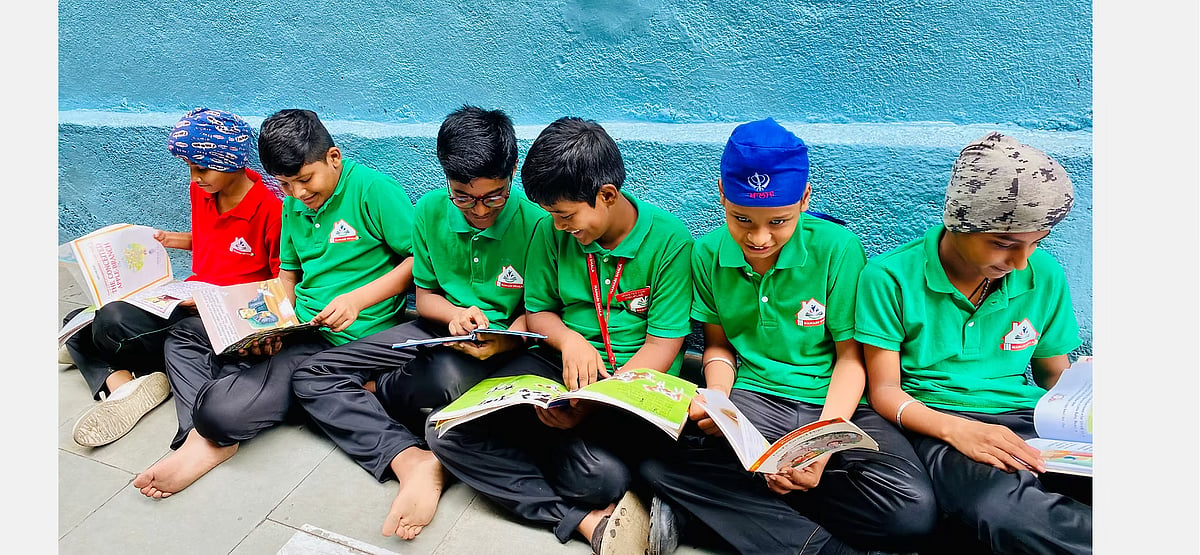
Ashraya’s next phase is focused on expanding its community-based work. Its 21st-century skilling programmes have begun in 10 government schools, with an ambition to eventually reach 100 schools. The organisation also plans to expand its maternal and child health work through Anganwadis.
Women’s economic empowerment will remain another key focus, with Ashraya aiming to train more than 5,000 women and help them move from skills training towards sustainable businesses.
For Joshi, however, growth is not simply about reaching more people. It is about ensuring communities can eventually carry the work forward themselves.
“Our long-term vision is that Ashraya should not be needed forever in every community where we work,” Joshi said.
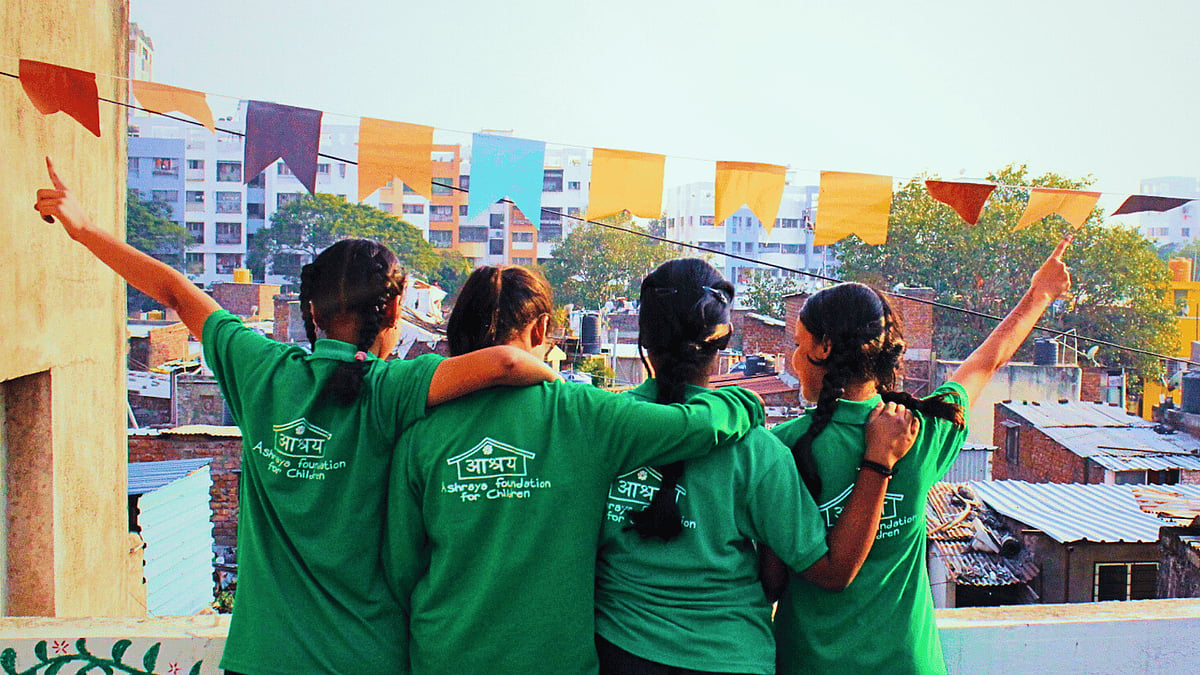
For Ashraya, the real measure of change lies in that transition, when children become first-generation graduates, women become financially independent and young people who once received support return as leaders.
“That is the scale we ultimately want - not only reaching more people, but helping communities become increasingly self-reliant and breaking intergenerational poverty at a much larger level,” Tarun Joshi said.

