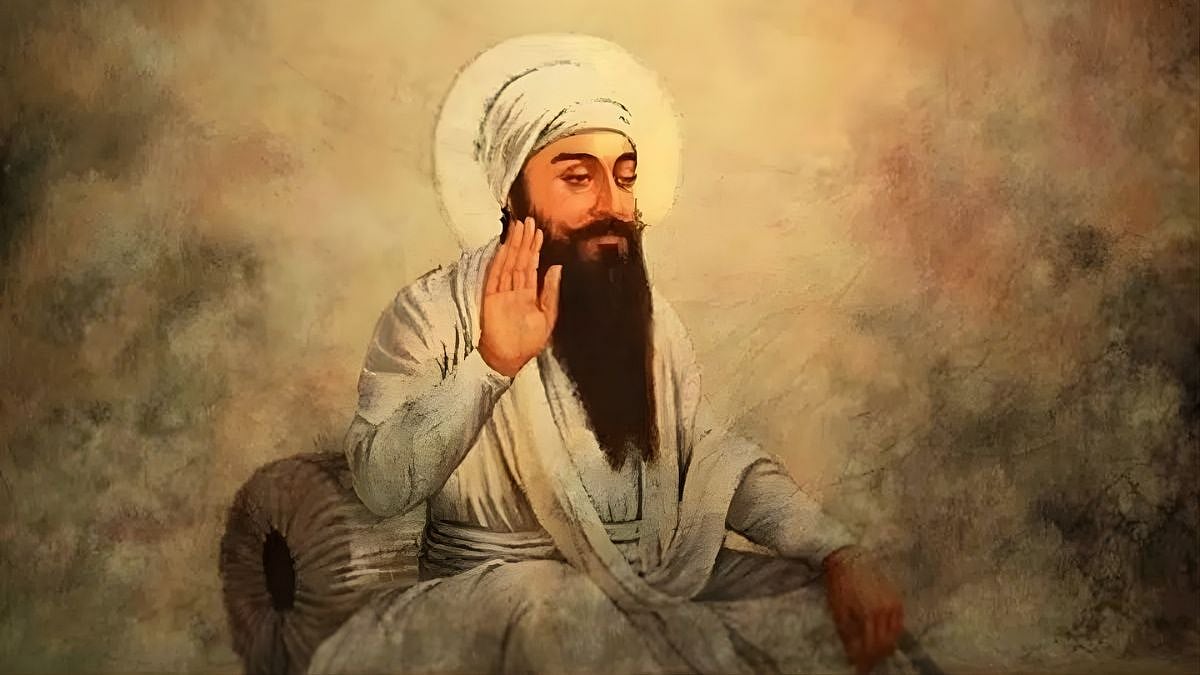
The relationship between Maharashtra and Sikhism is a journey of spiritual unity between two great cultures. The serene city of Nanded in southern India was sanctified by the presence of Guru Gobind Singh Ji and became one of the five Takhts of the Khalsa Panth, known as Hazur Sahib. It was on this sacred land that Guru Gobind Singh Ji declared the Guru Granth Sahib as the final and living Guru of the Sikhs. However, the seeds of this historic moment were sown centuries earlier through the spiritual dialogue between the saints of Maharashtra and the Sikh Gurus.
Sant Namdev: The Seed of Bhakti Sown in Punjab
The first and strongest link connecting Maharashtra and Punjab is Sant Namdev. In the 13th century, when travel and communication were extremely difficult, Sant Namdev carried the flag of the Bhakti tradition from Maharashtra to Punjab. He spent nearly the last 20 years of his life at Ghuman in present-day Punjab, where he learned the local language and spread the message of devotion.
Recognizing his spiritual greatness, the fifth Sikh Guru, Guru Arjan Dev Ji, included 61 of Sant Namdev’s hymns in the Guru Granth Sahib. Even today, Sant Namdev is revered in Punjab as ‘Bhagat Namdev’ just as deeply as he is in Maharashtra. His teachings of equality and devotion later became a foundational pillar of Sikh philosophy.
The Meeting of Guru Hargobind Singh and Sant Samarth Ramdas
One of the most significant encounters in Sikh and Maharashtrian spiritual history is the meeting between the sixth Sikh Guru, Guru Hargobind Singh Ji, and Sant Samarth Ramdas Swami in Srinagar, Kashmir. This meeting symbolizes the harmonious blend of ‘Bhakti’ (devotion) and ‘Shakti’ (strength).
Seeing Guru Hargobind Ji riding a horse with two swords—Miri and Piri—Sant Ramdas Swami curiously asked why a saint carried weapons. Guru Hargobind Ji replied that inwardly he was a humble servant of Guru Nanak and a saint, but the weapons were meant to protect the weak and destroy tyranny. This reply deeply influenced Sant Ramdas Swami, who realized that faith cannot survive on prayer alone; it also needs strength for protection.
Hazur Sahib, Nanded: A Shared Spiritual Foundation
Guru Gobind Singh Ji’s arrival in Nanded marked the pinnacle of this sacred bond. It was here that he ended the tradition of human Gurus and bestowed Guruship upon the Guru Granth Sahib. Nanded thus became sacred not only for Sikhs but also as a living symbol of Maharashtra’s tradition of equality and spiritual harmony.
‘Dakhani’ Sikhs: A Legacy Rooted in the Soil
One of the most distinctive Sikh communities in Maharashtra is the ‘Dakhani’ Sikhs. Their history traces back to Guru Gobind Singh Ji’s southern campaign in 1708. They are descendants of soldiers and artisans who accompanied the Guru and later settled permanently in the Deccan.
Shikalgar Community: Traditionally skilled weapon-makers who played a vital role in meeting the military needs of the Sikh forces.
Banjara and Lobhanna Communities: From as early as the 16th century, these trading communities supported Sikh movements by providing logistics and supplies.
Cultural Integration: Over centuries, Dakhani Sikhs adopted the Marathi language and local customs while maintaining unwavering devotion to Sikh Gurus.
Later-Settled Punjabi Sikhs
Another segment of the Sikh population in Maharashtra consists of Punjabi Sikhs who settled here post-Partition or in modern times for business, education, and employment. These communities largely include Khatri, Jat, Arora, and Mohiyal Sikhs, who retain closer ties to Punjabi language and traditions.
The Teaching of Equality: The Message of the Guru Granth Sahib
The greatest strength of Sikhism is equality. From Guru Nanak Dev Ji to Guru Gobind Singh Ji, all Gurus strongly opposed discrimination based on caste, religion, or wealth. The Guru Granth Sahib upholds the philosophy of universal equality, uniting diverse Sikh communities in Maharashtra.
The belief in ‘Ek Onkar’—that God is One—binds all Sikhs together. Whether Punjabi or Dakhani, every Sikh bows to the teachings of the ten Gurus.
The tradition of Langar exemplifies social harmony in Maharashtra. In Gurudwaras, people of all backgrounds sit together on the floor and share a meal, dissolving ego and social hierarchy. Thousands experience this spirit of equality daily at Hazur Sahib in Nanded.
Present Scenario and the Message of Unity
Today, Sikh religious institutions and community leaders in Maharashtra actively work toward social integration, following the Gurus’ teachings of equality. Special efforts are made to support the educational and economic upliftment of Shikalgar and Banjara Sikhs, connecting them with mainstream Gurudwaras and reducing social divides.
The Ever-Shining Light of Equality
Sikhism in Maharashtra stands as a powerful example of spiritual and social unity. Under the guidance of the Guru Granth Sahib, the Sikh community continues to preserve its distinct identity while moving forward in the light of equality. Though Dakhani and Punjabi Sikhs represent different streams, they merge into the same ocean of devotion and human values. This enduring bond between Maharashtra and Sikhism will remain an inspiration for generations to come.
