Mumbai: For many years, the Indian automobile industry hardly changed. Cars were treated like luxury or “sin” products by planners. Companies such as Hindustan Motors and Premier Automobiles had strict production limits and long waiting lists. Customers had little choice and cars were often outdated.
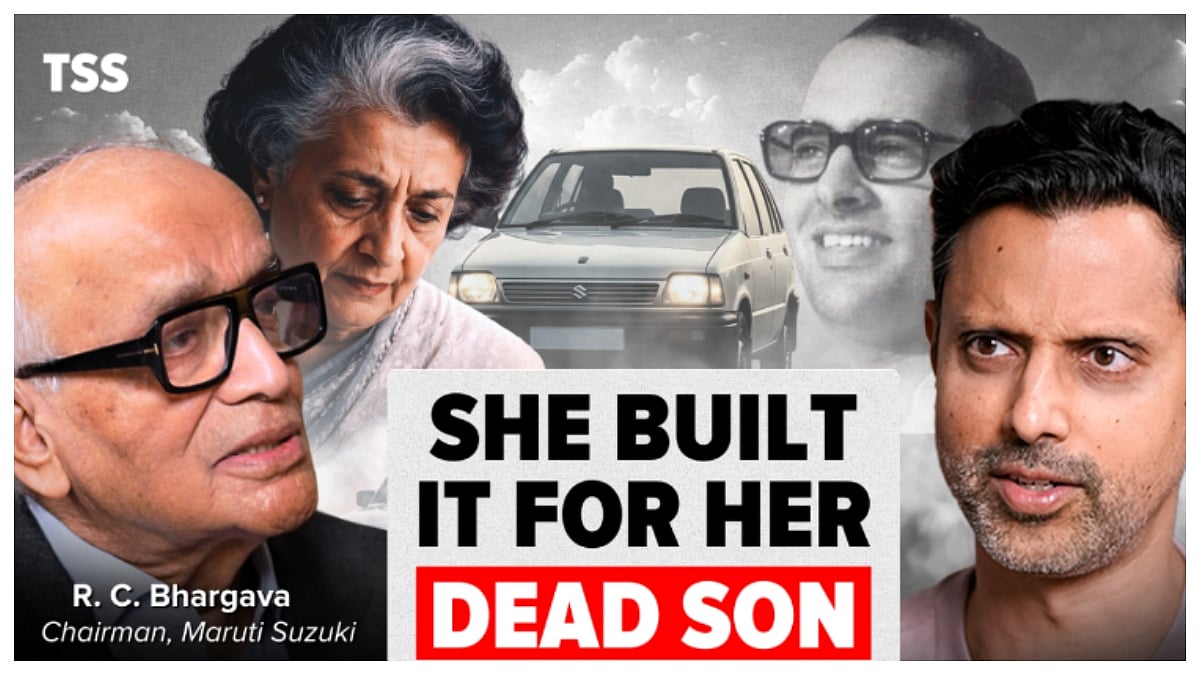
The company that later changed this situation, Maruti Suzuki, began not because of a policy shift but due to a personal decision by former Prime Minister Indira Gandhi. After the death of her son Sanjay Gandhi, she decided to continue his dream of building a small car for ordinary Indians. According to Maruti Suzuki Chairman R. C. Bhargava, this decision went against many of the government’s existing policies at the time.
The first Maruti car was launched on December 14, 1983, which was Sanjay Gandhi’s birthday. Indira Gandhi personally handed over the keys of the first car to a buyer who was selected through a computerised draw. At the time, many people believed the project would fail and saw it as a political experiment.
Before the company was fully formed, Indira Gandhi sought advice from Arun Nehru. He suggested three key steps: bring foreign technology, find an international equity partner, and produce at least 100,000 cars every year. These decisions proved important for the company’s future.
After several discussions and proposals from different companies, Japan’s Suzuki Motor Corporation agreed to partner with India. Despite warnings that India was a difficult place for foreign investment, Suzuki believed the country could become a major automobile market.
The launch of the Maruti 800 later changed how Indians travelled. The car was affordable, reliable and easy to maintain. It gave many families and working women the confidence to travel independently. Over time, the company also helped build India’s automobile component industry and attracted global carmakers to the country.
What began as an emotional decision eventually became one of the most important developments in India’s automotive history.

