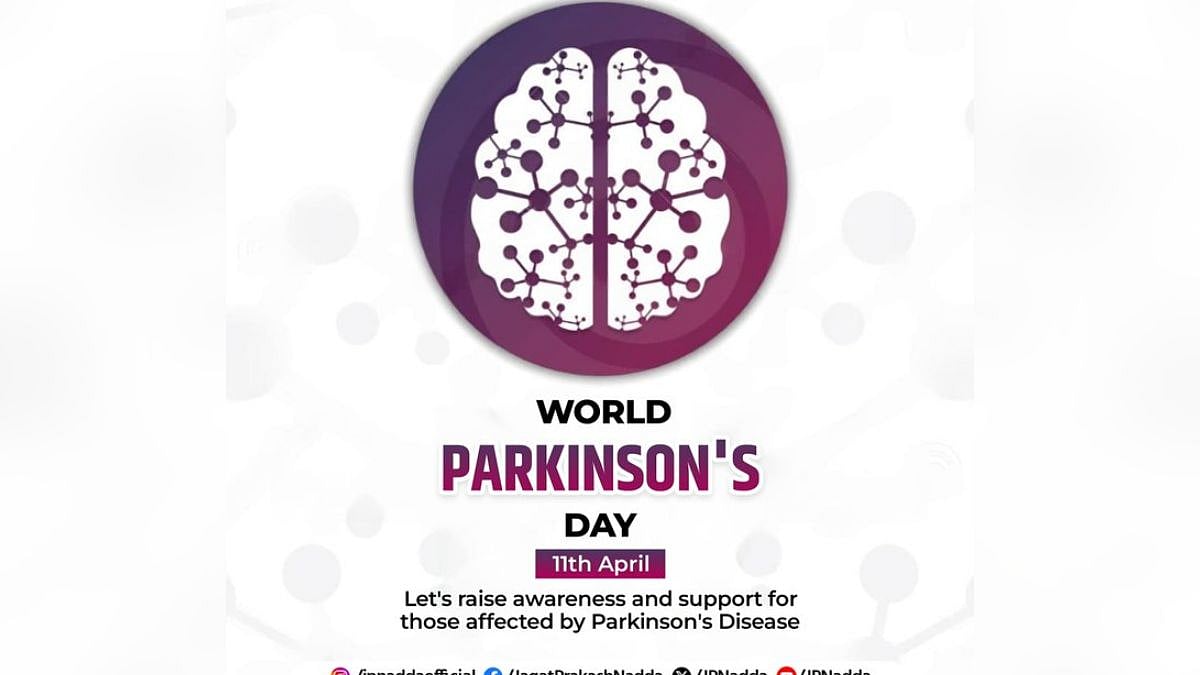
Mumbai: World Parkinson’s Day was observed worldwide, but experts stress that addressing Parkinson’s disease requires sustained, year-round attention—not just a single day of awareness.
Parkinson's Is Chronic Progressive Disorder
As the day highlighted the challenges faced by over 10 million people worldwide, neurologists, neurosurgeons, and patient advocacy groups emphasised that consistent efforts are essential to improve understanding, encourage early diagnosis, and expand access to treatment. Despite being one of the fastest-growing neurological disorders, Parkinson’s disease continues to be widely misunderstood and often under-recognised.
Parkinson’s is a chronic, progressive disorder of the central nervous system caused by the gradual loss of dopamine-producing neurons in the brain. This leads to difficulties in movement and coordination. While it is more common in individuals above 60 years of age, nearly 10–15% of cases occur in people under 50, reinforcing the need for broader awareness across all age groups.
Delayed Diagnosis Remains Biggest Hurdle
One of the biggest hurdles in Parkinson’s care is delayed diagnosis. Early symptoms are often mild and mistaken for normal ageing. These include tremors at rest, slowness of movement (bradykinesia), muscle rigidity, postural imbalance, and freezing of gait. Over time, these symptoms can significantly impact mobility and independence.
Experts also highlight the importance of recognising non-motor symptoms, which are frequently overlooked but deeply affect quality of life. These include depression, anxiety, sleep disturbances, cognitive impairment, loss of smell, and digestive issues such as constipation. In many cases, these symptoms appear years before motor signs, offering a crucial window for early detection.

Advanced Therapies
Medical professionals note that while medications remain the primary treatment, patients may experience fluctuations in symptom control. Advanced therapies such as Deep Brain Stimulation (DBS), along with emerging innovations, have improved outcomes for many patients. Additionally, physiotherapy and supportive care play a key role in maintaining daily function.
On World Parkinson’s Day, stakeholders called for continuous public education, reduced stigma, and stronger healthcare support systems. With ageing populations, the number of cases is expected to rise, making it vital to prioritise research, caregiver support, and long-term care strategies.
“Parkinson’s disease requires timely recognition and consistent care. While early signs are often missed, advanced treatments like Deep Brain Stimulation have improved outcomes, enabling patients to maintain independence and quality of life,” said Dr. Gurneet Singh Sawhney, Director - Stereotactic and Functional Neurosciences, Fortis, Mulund, Mumbai
Experts urge individuals and families to seek timely medical advice if symptoms are noticed. Early diagnosis and ongoing care can significantly improve quality of life, allowing people with Parkinson’s to remain active and independent.
To get details on exclusive and budget-friendly property deals in Mumbai & surrounding regions, do visit: https://budgetproperties.in/

