
Mumbai: As the global community unites to celebrate World Environment Day, the Mumbai Metropolitan Region (MMR) stands at a critical crossroads. Once a vibrant mosaic of coastal wetlands, pristine forests and clean rivers, unchecked urbanisation has transformed this sprawling megacity into an ecological battleground.
The systematic destruction of wetlands is perhaps the most glaring harbinger of this crisis. Ironically, the State actively paves the way for the decimation of public mangrove forests; evidenced by the planned felling of over 45,000 mangroves for the Versova-Bhayandar Coastal Road and the rampant, unchecked debris dumping by land mafias across the Diva-Mumbra and Thane creeks. Whereas, India's largest privately owned mangrove forest tells a profoundly different story. The sprawling 2,000-acre mangrove expanse in Vikhroli, meticulously maintained and protected by a private group for over four decades, thrives as a massive carbon sink and vital flood shield for Mumbai's eastern shoreline.
The State acts as a primary agent of ecological destruction across the lands it is mandated to protect. The ambitious Borivali-Thane twin tunnel project, designed to streamline vehicular transit, cuts directly beneath the Sanjay Gandhi National Park, threatening the vital territorial corridor utilised by the leopard population. Similarly, coastal ecosystems are under siege; the opening of the Seawoods wetlands for construction activities has effectively decimated a crucial migratory feeding ground, displacing thousands of lesser and greater flamingos that paint the city’s coastlines pink every winter.
The human cost of this relentless ecological commodification falls disproportionately on the region's original inhabitants; the Adivasis, Agri-Kolis and traditional fishing communities, whose ancestral lands and livelihoods are being systematically erased. While the State rapidly clears the way to carve transit tunnels through the SGNP, indigenous Adivasi families face aggressive, forced evictions. Further up the coast, the impending construction of the Vadhavan Port mega-port in Palghar threatens to obliterate thriving fisheries and fragile intertidal biodiversity hotspots.
The delicate balance between developmental ambitions and ecological preservation has collapsed, replacing natural shock absorbers with concrete hazards. Protecting Mumbai’s natural systems is essential for climate resilience, public health and a livable future for all citizens.
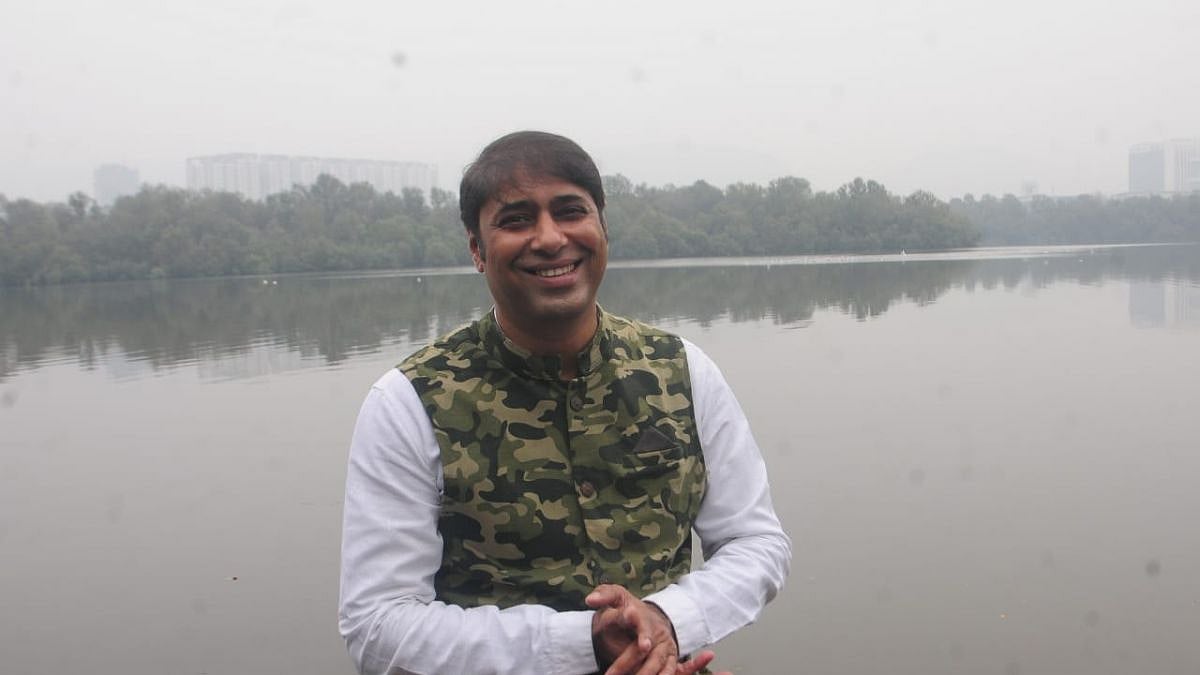
The writer is associated with the Yeoor environmental society
To get details on exclusive and budget-friendly property deals in Mumbai & surrounding regions, do visit: https://budgetproperties.in/
