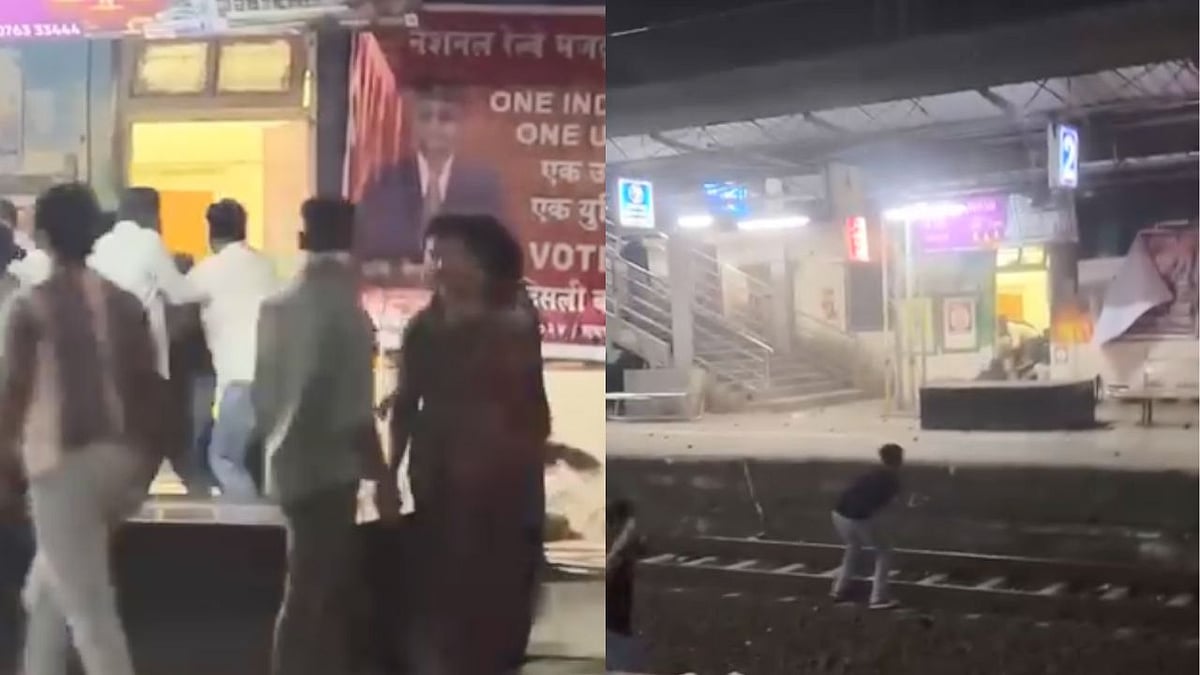
Who are the Iranis, some of whose members were arrested after they rioted and pelted stones at Ambivali railway station in Thane district on Wednesday evening, injuring policemen?
According to the police, the group was from Irani Basti, a settlement near the railway station. They had attacked the police to free a man from their locality who was detained for allegedly robbing gold chains. Police called the rioters members of the ‘Irani gang’.
The Maharashtra government included Iranis in the list of ‘Nomadic and Denotified Tribe’ in the early 2000s, making them eligible for quotas in government jobs and seats in educational institutions, said Shabbir Ansari, founder of All India Muslim OBC Organisation, a group formed after the Mandal Commission report to help backward Muslim groups to access the reservations
According to Ansari, the Iranis who are Shia Muslims, were earlier called Balochi, their origins traced to Balochistan, an ethno-linguistic area that straddles the Pakistan-Iran border. They spoke Balochi but now are fluent in Hindi or Marathi, said Ansari.