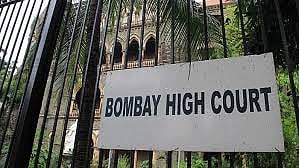
Mumbai, April 16: The State government on Thursday informed the Bombay High Court that there is currently no dedicated scheme for patients suffering from Subacute Sclerosing Panencephalitis (SSPE), a rare and fatal neurological disorder.
PIL highlights lack of support
The submission was made during the hearing of a public interest litigation (PIL) filed by Mahadu Belkar, a 44-year-old businessman and father of a child affected by the disease.
The petition, filed last year, sought directions to the authorities to initiate research for a cure, provide financial assistance to affected families, and frame a comprehensive policy for treatment and care. The child passed away in March.
Arguments before court
During the hearing, the petitioner’s advocate Kaushik Tamhane contended that certain benefits may be available under existing national schemes and added that a representation has been made to the government to specifically include SSPE within their ambit.
To this, state advocate Omkar Chandurkar said that the State had written to the Centre in July 2025 that SSPE should be included as a rare disease.
The High Court is scheduled to continue hearing the matter on Friday.
Petition details and concerns
The petition names the Union of India, the State government, and the Indian Council of Medical Research (ICMR) as respondents. It highlights the absence of structured support for patients suffering from SSPE, which is described as a progressive and fatal complication arising from a mutated measles virus affecting the central nervous system.
According to the plea, SSPE leads to severe neurological deterioration in children, including loss of vision and motor functions, seizures, and eventual coma, often resulting in death within a short span. It emphasises that there is currently no cure for the disease, and treatment is limited to symptomatic relief.
Call for policy and financial aid
Belkar has urged the court to direct the authorities to initiate research programmes to find a cure or at least arrest the progression of the disease. The petition also seeks financial assistance for families, pointing out that the monthly cost of care can range between Rs 55,000 and Rs 60,000, placing a heavy burden on parents.
The plea further raises concerns over the lack of inclusion of SSPE in the country’s rare disease policy, which restricts patients’ access to specialised treatment at Centres of Excellence and financial aid. It also notes that insurance companies do not cover SSPE-related hospitalisation expenses.
Data gaps and constitutional argument
Highlighting broader public health concerns, the petition states that SSPE cases are on the rise in Maharashtra and across India, despite vaccination efforts. While referring to an unanswered Right to Information query seeking details of SSPE cases in the state, the plea alleged that there is a lack of systematic data collection and research by authorities.
Also Watch:
The petitioner has argued that the right to health and medical care is an integral part of the fundamental right to life under Article 21 of the Constitution, and that the State is duty-bound to ensure adequate support for affected children and their families.
To get details on exclusive and budget-friendly property deals in Mumbai & surrounding regions, do visit: https://budgetproperties.in/

