
Mumbai woke up to bright sunshine and comfortable winter temperatures on Saturday, but behind the pleasant weather, the city continued to battle worrying levels of air pollution. Real time data from air quality monitoring platforms showed Mumbai’s Air Quality Index in the unhealthy category, raising concerns for public health despite the calm and seemingly fresh morning.
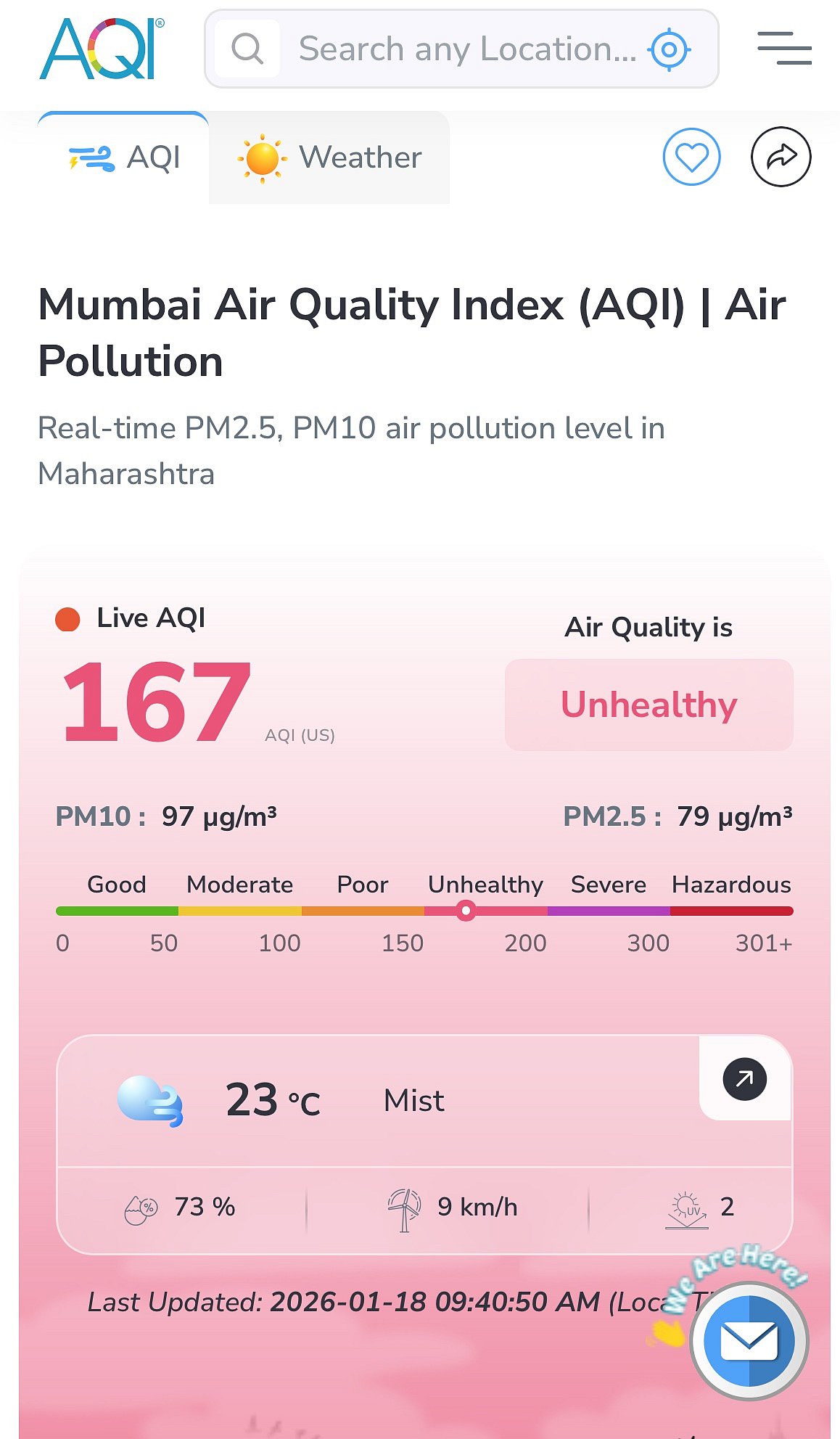
At around 9.40 am, the city’s AQI stood at 167, categorised as unhealthy under the US AQI scale. The primary contributors were fine particulate matter, with PM2.5 levels recorded at 79 micrograms per cubic metre and PM10 levels hovering close to 97 micrograms per cubic metre, both well above safe limits.
Fine particles drive pollution levels
Experts say PM2.5 remains the most concerning pollutant as its microscopic size allows it to penetrate deep into the lungs and enter the bloodstream. In Mumbai, these particles are largely generated by vehicular emissions, construction dust, industrial activity and secondary pollutants formed in the atmosphere.
While gases such as sulphur dioxide and nitrogen dioxide were recorded within acceptable limits, the persistently high particulate matter pushed the overall air quality into the unhealthy bracket. Carbon monoxide levels were also elevated, indicating traffic congestion as a continuing contributor.
Pleasant weather offers no relief
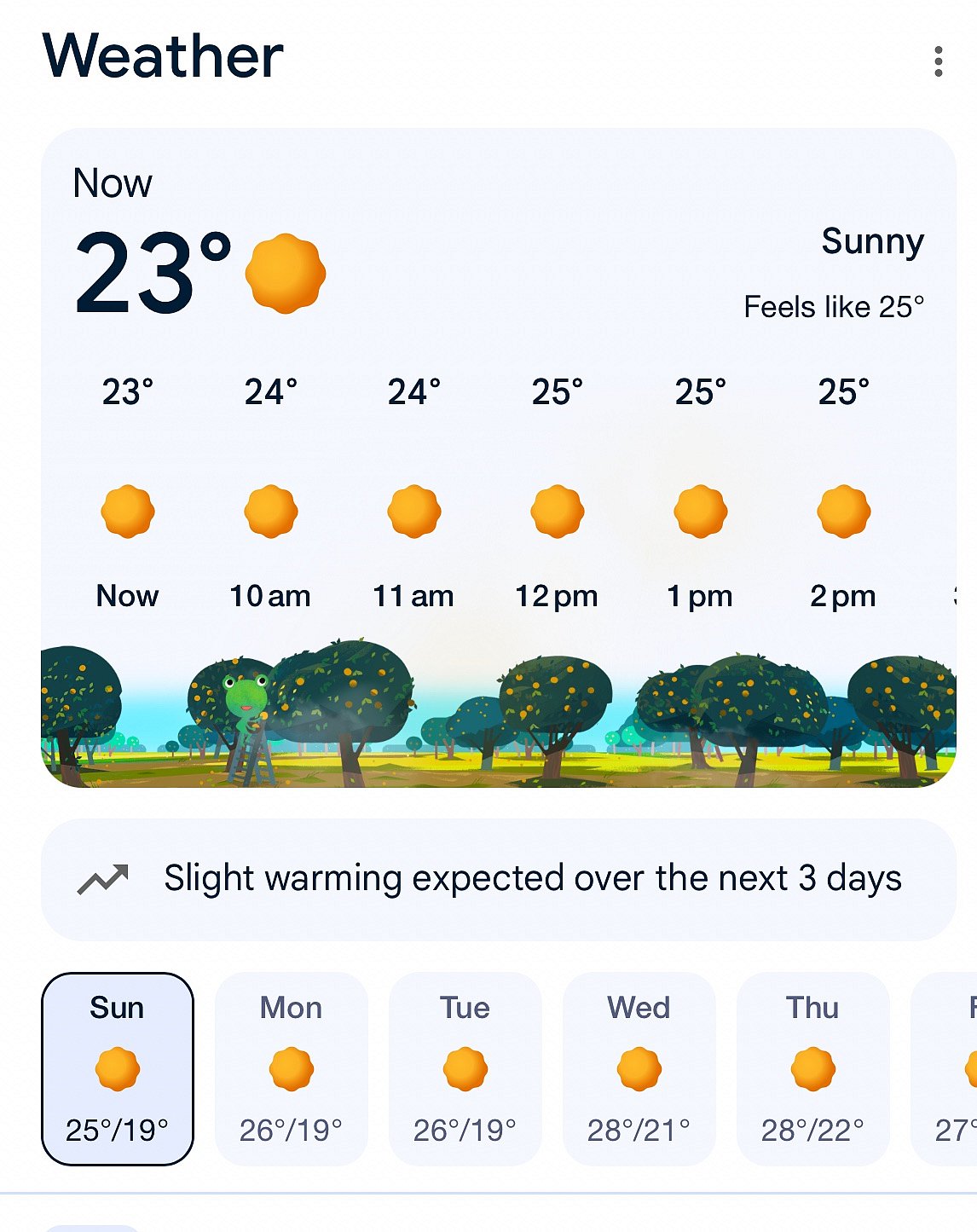
Weather conditions offered little help in dispersing pollutants. Mumbai recorded a temperature of around 23 degrees Celsius in the morning, with light winds at 5 to 9 kilometres per hour and humidity above 70 percent. The presence of mist and low wind speeds allowed pollutants to remain suspended close to the ground.
Meteorologists noted that although no rainfall is expected over the next few days, a slight warming trend may further reduce vertical air movement, potentially worsening pollution levels unless wind conditions improve.
Health risks and advisory
Health experts warn that prolonged exposure to unhealthy air can trigger breathing difficulties, eye irritation and aggravate existing respiratory and cardiac conditions. Children, senior citizens and people with asthma are particularly vulnerable.
Residents have been advised to limit prolonged outdoor activity, especially during morning and late evening hours, and consider wearing protective masks in high traffic areas. Doctors also recommend staying hydrated and keeping indoor air clean using ventilation or air purifiers where possible.
Urban challenge persists
Mumbai’s air quality has seen frequent fluctuations this winter, highlighting the challenge of managing pollution in a densely populated coastal metropolis. While clear skies may offer visual comfort, experts caution that air quality data should guide daily choices until long term solutions address the root causes of urban pollution.
