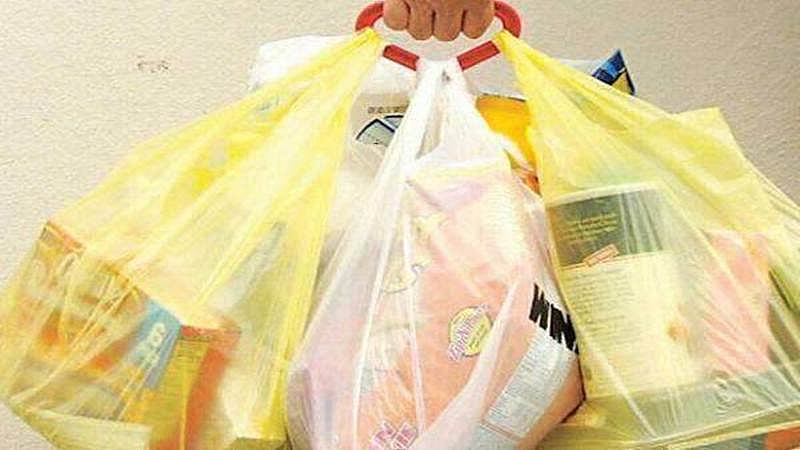
Mumbai: Non-woven polypropylene bags, which have also been banned by the state government since March this year along with other plastic items, are apparently seen as an alternative to plastic bags. These bags, which appear to be a combination of a cloth and paper bag, are more hazardous than normal plastic bags, as they are completely non-biodegradable, with their thickness being measured in 60G/SM (grams/sq metre) and not in microns, say experts.
According to Amit Sanghvi of Sanghvi Plastics, “Although the sale of these bags has reduced slightly, they are still being used by vendors and consumers. These are non-recyclable and since people are not aware of the hazards, they think that they are a better option than plastic. The government has not provided any alternative, neither has it considered the impact this ban would have on the labour force employed in this industry.”
Goregaon homemaker Radha Katkam, 32, thought the non-woven bags were safer than plastic. “I got it from a vendor while buying vegetables. They look like cloth bags, so I thought they were safe. I still see plastic bags being used everywhere,” she says.
The BMC plans to raise awareness about plastic through hoardings, yatras and street plays in each administrative ward. Deputy Municipal Commissioner (special) Nidhi Chaudhary, Brihanmumbai Municipal Corporation (BMC), says, “I agree that there is lack of awareness among people about the alternatives. A non-woven polypropylene bag is not an eco-friendly alternative, it’s more harmful than the plastic bags.”
The April 11, 2018 government notification had set June 23 as the deadline for the public to dispose of plastic items or people will have to face punitive action, she adds. While there seems lack of awareness among the public, there are also some who have adopted a zero-plastic lifestyle. Philip Pereira,60, a former postal service employee, uses jute and cloth bags. “Cloth bags are not always helpful, especially during rains. In such cases, my family and I use utensils. We have now trying to shift to a zero-plastic lifestyle,” he says.
Environmentalist Stalin Dayanand of Vanshakti, the green NGO, suggests that cellular-based biodegradable plastic is the only way forward. “Such plastic can even be used as compost and melts after the expiry of its shelf life. It is edible as it is made with plant juice. This should be implemented soon,” he says. Meanwhile, the civic body has also set up a temporary tollfree helpline (1800-222-357) for citizens to call a garbage truck to collect a minimum of 1 kilo of plastic waste from homes. The helpline will also suggest alternatives to dispose of the banned items.
