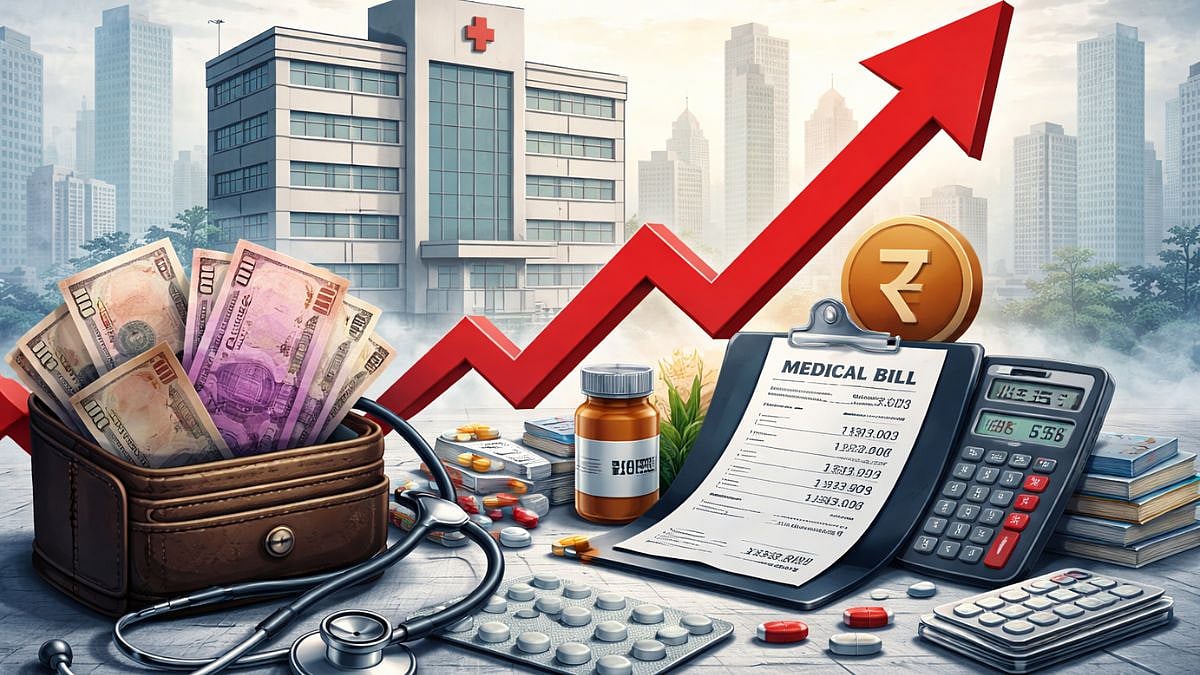
Mumbai, April 4: Mumbai is witnessing a sharp rise in medical treatment costs, reflecting a broader trend across India’s metropolitan cities. Known for its advanced healthcare infrastructure and concentration of high-end private hospitals, the city has become one of the most expensive places in the country for medical care.
While access to cutting-edge technology and skilled specialists has improved treatment outcomes, it has also significantly increased the financial burden on patients.
According to recent studies, treatment costs for infectious diseases have risen from about Rs 30,000 in 2018 to nearly Rs 90,000 in 2024–25—an increase of over 200%.
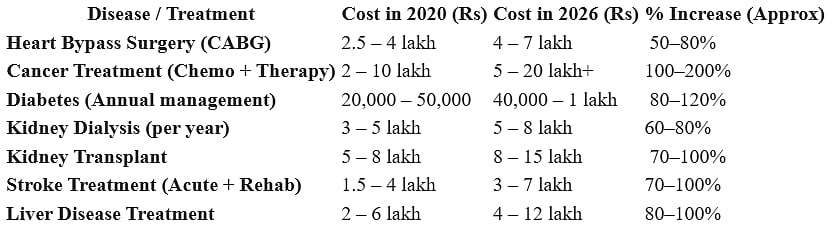
Similarly, respiratory disease treatment costs have more than doubled, rising from around Rs 80,000 to Rs 1.8 lakh. Other major conditions, including cardiac diseases and cancer, have also seen cost increases of 100% or more, particularly for advanced treatments.
Medical inflation outpaces general inflation
Findings published in the International Research Journal of Modernization in Engineering Technology and Science (IRJMETS) highlight the growing challenge of medical inflation in urban India.
The study estimates healthcare inflation at around 14% nationally, with rates in cities like Mumbai reaching as high as 20%. This is significantly higher than general inflation, leading to a rapid escalation in treatment expenses.
Insurance data further supports this trend. Over the past five years, hospitalization expenses for common ailments have more than doubled. The cost of treating infectious diseases has increased by over 160%, while respiratory conditions have risen by nearly 94%.
The average insurance claim for infectious diseases surged from Rs 26,000 in 2018 to Rs 65,000 in 2023–24, reflecting a compound annual growth rate (CAGR) of 26%. In metropolitan areas, respiratory treatment costs have climbed from about Rs 80,000 to nearly Rs 1.7 lakh.
In contrast, cataract treatment has shown relatively slower growth, with claim sizes increasing by about 54%—from Rs 79,000 to Rs 1.2 lakh—largely due to shorter hospital stays, according to industry data.
Chronic diseases add to long-term financial burden
The cost of managing chronic diseases has also risen steadily. Monthly diabetes treatment costs have increased from Rs 2,000 to Rs 3,800 (a 90% rise), hypertension from Rs 800 to Rs 1,400 (75%), and asthma from Rs 1,500 to Rs 3,500 (130%), marking one of the highest surges among chronic conditions.
Dr Ajaz Ahmad Khan, who works with underprivileged sections, attributes this rise primarily to the dominance of private healthcare in Mumbai. “Although government hospitals provide low-cost or free services, they are often overcrowded and face shortages of essential infrastructure, equipment, and medicines. As a result, many patients turn to private hospitals, which offer better facilities and shorter waiting times but at significantly higher costs,” said Dr Khan.
He added that rising operational and compliance costs for hospitals are ultimately passed on to patients. “The government needs to stress health insurance to make treatment accessible for everyone. In fact, it should be made mandatory for basic treatment, in addition to existing government schemes,” he said.
Gaps in public healthcare and diagnostic practices raise concerns
Health activist Chetan Kothari highlighted that gaps in public healthcare infrastructure frequently force patients to incur out-of-pocket expenses, even for basic services such as diagnostics and medicines.
He noted that limited availability or restricted hours for facilities like X-rays, CT scans, MRIs, and laboratory services in public hospitals often push patients toward private providers.
He also pointed to concerns such as medicine shortages and “cut practice,” where patients are directed to private labs or pharmacies despite services being available in public institutions.
Echoing similar concerns, health activist Advocate Tushar Bhosale emphasized the increasing reliance on extensive diagnostic testing. He noted that patients are often subjected to multiple tests due to defensive medical practices, lack of experience among some practitioners, or institutional protocols.
In some cases, hospitals insist on repeating tests even when valid reports are available, further inflating treatment costs. He added that insurance coverage can sometimes encourage over-testing when reimbursements are expected.
Also Watch:

Rising costs driven by technology and infrastructure gaps
Experts also point to technological advancements as a contributing factor. While modern diagnostic tools, robotic surgeries, and advanced therapies such as immunotherapy have improved the quality of care, they come with high costs. Hospitals often pass on expenses related to imported equipment and specialized expertise to patients.
Experts stress the urgent need for stronger health insurance coverage, better regulation of private healthcare costs, and significant improvements in public healthcare infrastructure.
To get details on exclusive and budget-friendly property deals in Mumbai & surrounding regions, do visit: https://budgetproperties.in/
